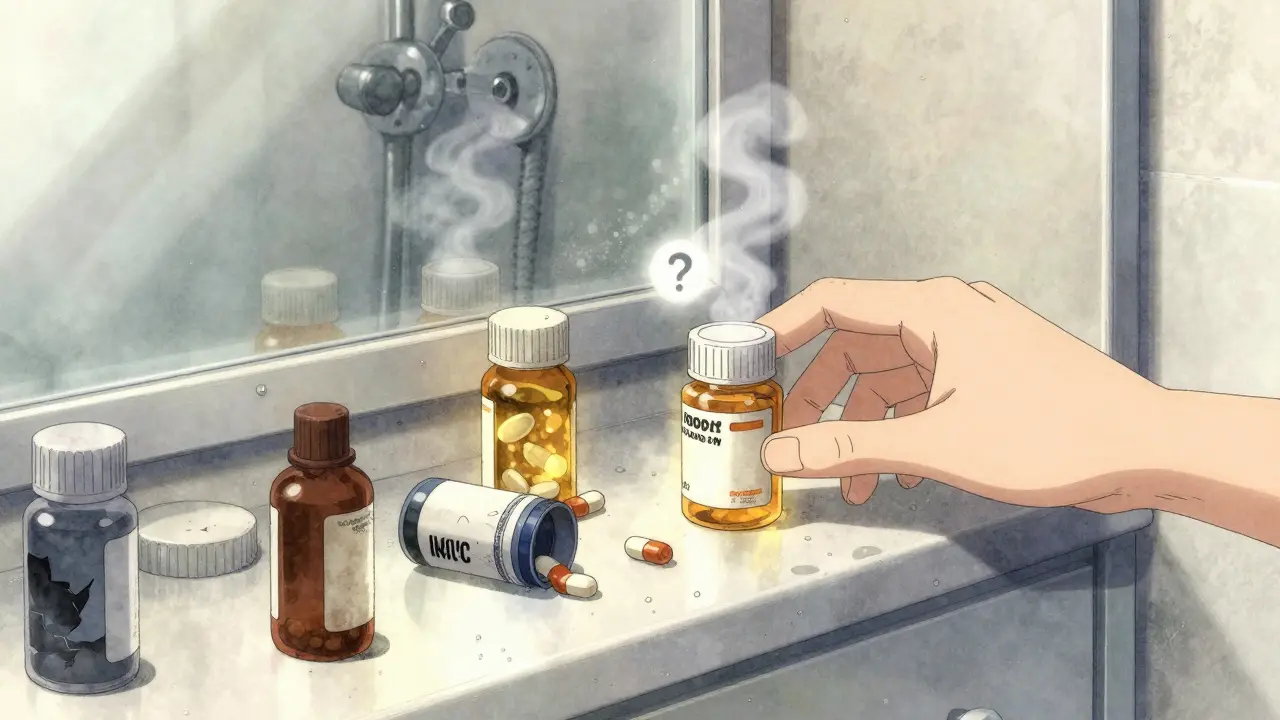
Most people have a drawer or cabinet full of old pills, bottles with faded labels, and forgotten prescriptions. You find an ibuprofen tablet from last year, or maybe your EpiPen expired six months ago. Should you take it? Or toss it? The answer isn’t as simple as "yes" or "no." It depends on what kind of medication it is, how it’s been stored, and why you need it.
What Does an Expiration Date Actually Mean?
The expiration date on your medicine isn’t just a marketing trick or a way for drug companies to make you buy more. It’s the last day the manufacturer guarantees the drug will work as intended and stay safe under proper storage conditions. This date comes from real lab tests - drugs are kept in controlled heat, light, and humidity for months or years to see how they break down. Once that date passes, the company can no longer promise the pill has the right strength, or that it won’t turn into something harmful.
That doesn’t mean every pill becomes poison the second it expires. In fact, the U.S. Food and Drug Administration (FDA) ran a program called the Shelf Life Extension Program (SLEP) testing military stockpiles. They found that 90% of medications were still stable - meaning they kept their potency - up to 15 years past their printed date. But here’s the catch: that data is locked away. It doesn’t apply to your medicine cabinet. The FDA still says: don’t use expired drugs. And for good reason.
Some Medications Are Fine - For a While
Not all pills are created equal. Solid forms like tablets and capsules - think acetaminophen, ibuprofen, or aspirin - tend to hold up well. Studies show these can stay effective for years after expiration if kept dry and cool. One study from the University Hospitals found ibuprofen retained over 90% of its strength five years past its date. If you’ve got a headache and your last bottle expired three months ago, you’re probably okay. It might work a little slower, but it won’t hurt you.
Even antibiotics like amoxicillin or doxycycline often remain chemically stable. But here’s the danger: if they’ve lost even 10% of their strength, they might not kill all the bacteria. That’s how antibiotic resistance starts. A weaker dose doesn’t cure the infection - it just teaches the bugs to survive. That’s why the Infectious Diseases Society of America warns against using expired antibiotics, even if they look fine.
These Medications Can Be Dangerous After Expiration
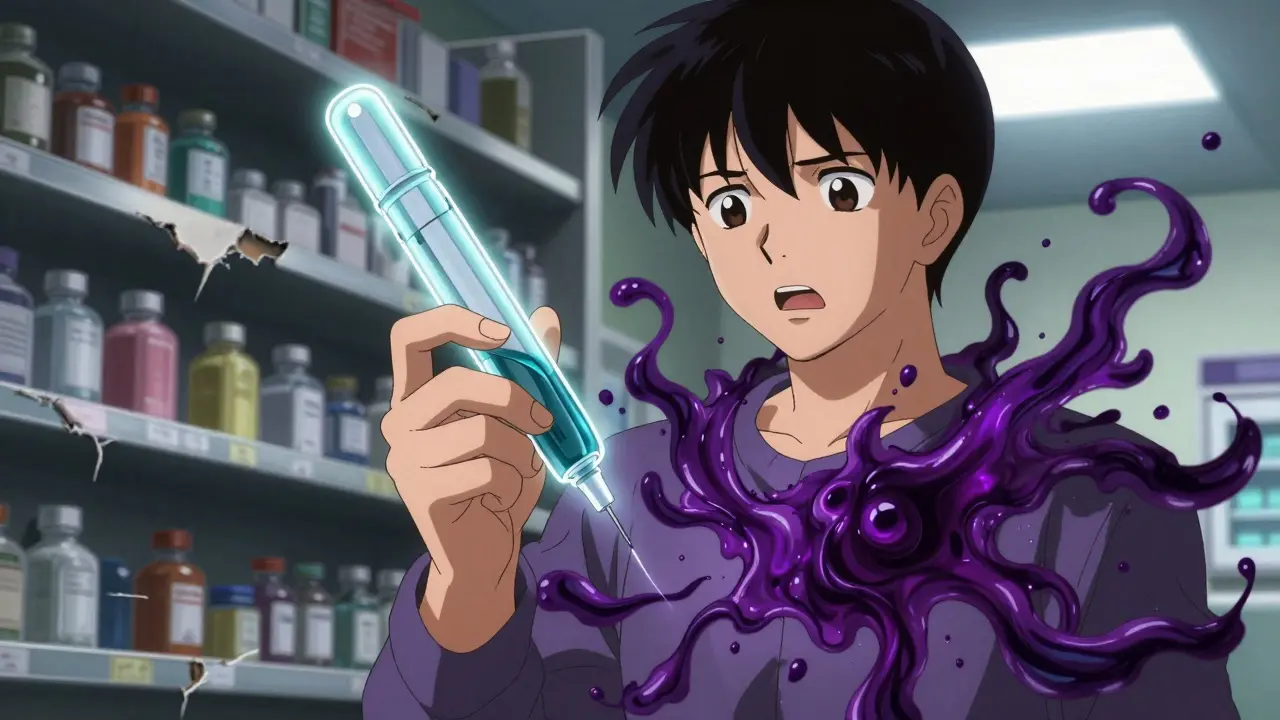
Some drugs don’t just lose power - they turn toxic. Tetracycline is the classic example. When it degrades, it turns into compounds that can damage your kidneys, leading to Fanconi syndrome - a serious condition that causes electrolyte imbalances and kidney failure. There are documented cases of this happening even 18 months after expiration.
Then there are life-saving medications. If you have an EpiPen for a severe allergy, and it expired six months ago, you might be tempted to use it in an emergency. The truth? It probably won’t work as well. Studies show EpiPens lose 20-30% of their potency within six months of expiration. In a real anaphylactic reaction, that drop could mean the difference between life and death. The same goes for insulin, nitroglycerin for chest pain, seizure meds like levetiracetam, and thyroid pills like levothyroxine. These require precise dosing. Even a 10% drop can make them useless - or worse, cause dangerous side effects.
Liquid medicines are another red flag. Eye drops, syrups, and injectables can grow bacteria once they’re past their date. The American Academy of Ophthalmology found that 60% of expired eye drops were contaminated with harmful microbes. Using them could lead to eye infections, vision loss, or even blindness. Same with insulin - if it looks cloudy or has particles in it, throw it out. No exceptions.
Storage Matters More Than You Think
Your bathroom cabinet is the worst place for medicine. Humidity from showers, heat from pipes, and light from the mirror all speed up degradation. The FDA says storing pills in a humid bathroom can make them break down 40% faster than in a cool, dry place. If your aspirin bottle sits next to the sink, it’s not just old - it’s compromised.
Keep medications in their original bottles with the childproof cap tightly closed. Store them in a drawer, a closet, or a cool spot away from windows. Ideal temperature? Below 77°F (25°C). Amber glass bottles protect better than plastic - they block light that breaks down chemicals. If you live in a hot climate or your home gets warm in summer, consider keeping some meds in the fridge (unless the label says not to).
What Should You Do When a Medicine Expires?
Here’s the rule: if it’s something you use daily - blood pressure pills, insulin, seizure meds - replace it immediately. No waiting. If it’s an over-the-counter painkiller you rarely use, and it’s only a few months past the date, you might take it for a minor headache. But don’t count on it.
For emergency meds - EpiPens, albuterol inhalers, nitroglycerin - treat the expiration date like a bomb timer. Replace them on the dot. Don’t gamble. In a crisis, you need 100% reliability. If you’re stuck with an expired EpiPen during a severe allergic reaction, use it anyway - but call 999 or go to the ER right after. Better to get a weaker dose than nothing.
How to Dispose of Expired Medications Safely
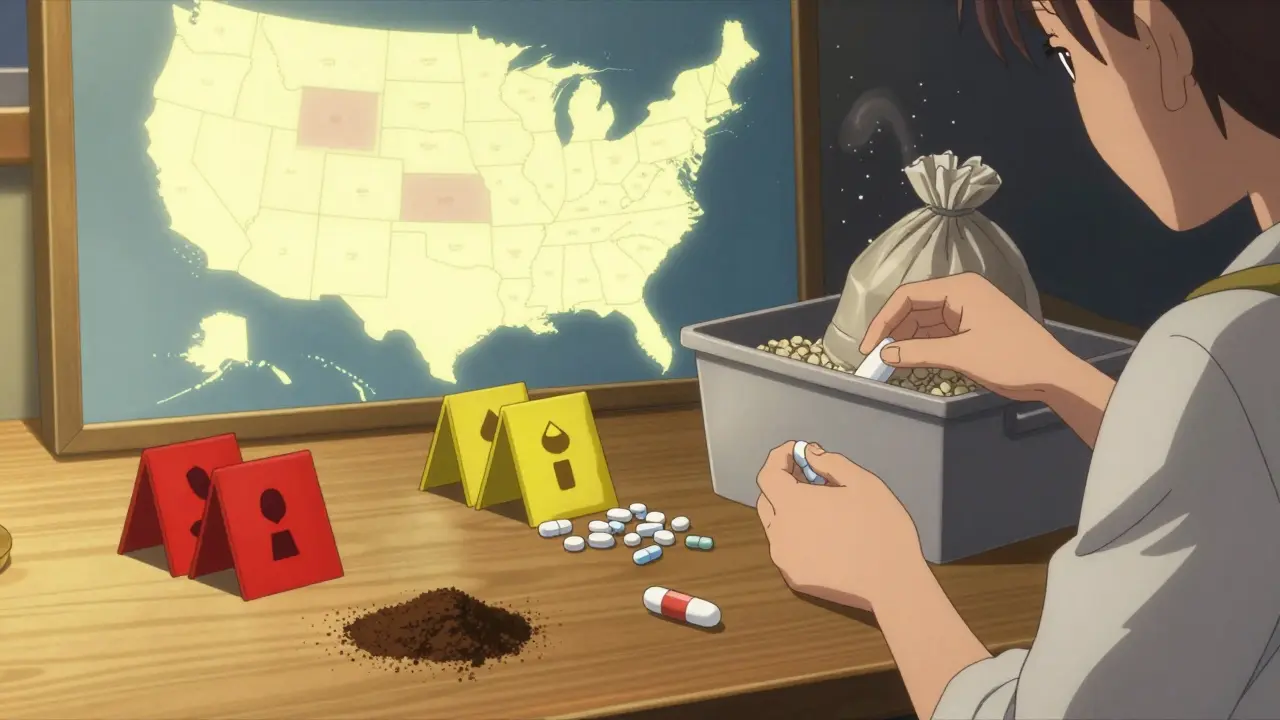
Don’t flush them unless the label says so. Only 15 specific drugs - like fentanyl patches or oxycodone - should go down the toilet because of overdose risk. For everything else, the FDA recommends mixing pills with something gross: coffee grounds, cat litter, or dirt. Put them in a sealed bag or container, then toss them in the trash. Scratch out your name and prescription number on the bottle so no one can misuse it.
Better yet? Use a drug take-back program. In the UK, most pharmacies offer free disposal bins. You can also check with your local council or NHS site for collection events. In 2023, over 14,500 take-back locations existed across the U.S. - and similar programs are growing in the UK. Only 15% of people dispose of meds properly. Don’t be in that 85%.
Bottom Line: When in Doubt, Replace It
Yes, most pills won’t kill you if you take them a year past their date. But you can’t know for sure how much potency they’ve lost. And for some drugs, even a small drop in strength can be dangerous. Your body doesn’t care if the date is printed on the label - it only responds to how much active ingredient is actually in the pill.
So here’s your simple rule: replace anything you rely on for health - especially heart, thyroid, seizure, allergy, or insulin meds. For occasional painkillers, use your judgment. But if it’s been more than a year past expiration, or if it looks, smells, or feels different - throw it out.
Medicines aren’t like milk. They don’t always go sour. But they don’t stay perfect forever either. When it comes to your health, don’t risk it. Replace it.
Can expired ibuprofen still work?
Yes, expired ibuprofen often remains effective for years past its expiration date if stored properly in a cool, dry place. Studies show it can retain over 90% of its potency up to five years after expiration. However, if the tablets are cracked, discolored, or smell strange, they may have degraded and should be discarded.
Is it safe to take expired antibiotics?
No, it’s not safe. Expired antibiotics may have lost enough potency to fail to fully treat an infection. This can lead to lingering symptoms and increase the risk of antibiotic-resistant bacteria developing. Even if you feel better after taking them, the infection might not be gone. Always use fresh antibiotics prescribed by a doctor.
What happens if I take expired epinephrine?
Expired epinephrine may not work as well - studies show it can lose 20-30% of its potency within six months of expiration. In a life-threatening allergic reaction, that could mean slower relief or incomplete symptom control. If you have no other option, use it anyway - but call emergency services immediately after. Never rely on an expired EpiPen as your primary treatment.
Should I keep expired medications for emergencies?
No. Emergency medications like EpiPens, insulin, and nitroglycerin must be replaced on their expiration date. Their effectiveness drops too quickly to trust. Keep fresh supplies on hand instead. For non-critical meds like pain relievers, it’s fine to have a small backup - but don’t rely on them for serious conditions.
Can I flush expired pills down the toilet?
Only if the label or FDA’s Flush List says so. Most medications should never be flushed because they pollute water systems. Only 15 high-risk drugs - such as fentanyl patches or oxycodone - are safe to flush due to overdose dangers. For everything else, mix pills with coffee grounds or cat litter, seal them in a container, and throw them in the trash.
How do I know if a medicine has gone bad?
Look for changes in color, texture, or smell. Tablets that are crumbling, discolored, or sticky are degraded. Liquids that are cloudy, have particles, or smell off should be thrown away. If an inhaler doesn’t spray properly, or an EpiPen’s liquid looks discolored, replace it immediately. When in doubt, toss it.
What to Do Next
Take five minutes this week to check your medicine cabinet. Pull out anything expired. Sort it into three piles: emergency meds (replace now), pain relievers (use or toss), and anything you’re unsure about (toss). Then, find your nearest drug disposal site - many pharmacies offer free drop-off bins. Don’t wait for a crisis to realize your EpiPen is useless. Prevention is simple: replace, don’t risk.