
Imagine having a cancer diagnosis where standard treatments have stopped working. For many patients, the next step isn't just another round of chemotherapy-it’s a clinical trial. These are carefully structured research studies that test new drugs, diagnostics, or prevention methods on human participants. They represent one of medicine's most powerful tools for balancing innovation with safety.
But what exactly happens inside these trials? How do you know if you’re eligible? And more importantly, what’s in it for you as a participant? This guide breaks down the complex world of cancer clinical trials into plain English, covering the five distinct phases, the real-world benefits for patients, and the practical steps to get involved.
The Five Phases of Cancer Clinical Trials
Clinical trials aren’t a single event; they are a multi-step process designed to answer specific questions at each stage. The system was formalized by the U.S. Food and Drug Administration (FDA) starting in the 1940s and standardized in the 1970s to ensure rigorous evaluation. Today, there are five potential phases, each with unique goals, participant numbers, and risks.
- Phase 0: Introduced in the late 1990s, this is an exploratory phase involving only 10-15 participants. Researchers use subtherapeutic doses-amounts too low to treat cancer-to see if the drug reaches cancer cells and how the body processes it. It’s essentially a "proof of concept" check before full-scale testing begins.
- Phase I: This is often the first time a new treatment is tested in humans. It involves 15-80 participants and focuses entirely on safety. The primary goal is to identify side effects, determine safe dosage ranges, and understand how the body metabolizes the drug. Because it’s the first human exposure, this phase carries the highest risk but also offers early access to potentially groundbreaking therapies.
- Phase II: If Phase I shows the treatment is reasonably safe, it moves to Phase II. Here, 25-100 participants receive the treatment to test its effectiveness against a specific type of cancer. Researchers look for signs that the tumor is shrinking or growth is slowing. This phase typically lasts 6-12 months and helps determine which cancer subtypes might benefit most from the therapy.
- Phase III: These are large-scale, randomized controlled trials involving hundreds to several thousand participants across multiple centers, often internationally. The new treatment is directly compared to the current standard of care to see which is more effective. This phase can last 1-4 years and provides the definitive evidence needed for regulatory approval.
- Phase IV: Also known as post-marketing surveillance, this phase occurs after the FDA has approved the drug. It involves thousands of participants in real-world settings to monitor long-term safety, optimal use, and rare side effects that may not have appeared in earlier phases. Monitoring can continue for decades.
| Phase | Participants | Primary Goal | Duration |
|---|---|---|---|
| Phase 0 | 10-15 | Determine if drug reaches cancer cells | Weeks to Months |
| Phase I | 15-80 | Safety & Dosage | Several Months |
| Phase II | 25-100 | Effectiveness & Side Effects | 6-12 Months |
| Phase III | 100-3,000+ | Compare to Standard Care | 1-4 Years |
| Phase IV | Thousands | Long-term Safety & Real-world Use | Years to Decades |
Benefits of Participating in a Clinical Trial
Joining a clinical trial is a significant decision, but it comes with tangible benefits that extend beyond just contributing to science. For many patients, especially those with advanced or treatment-resistant cancers, trials offer hope where standard options have run out.
- Access to Cutting-Edge Treatments: You may receive access to new drugs or therapies before they are available to the general public. For example, immunotherapies that revolutionized melanoma treatment were once only available through Phase II trials.
- Comprehensive Monitoring: Participants often receive more frequent and detailed medical attention than in standard care. A 2022 survey by the American Society of Clinical Oncology (ASCO) found that 78% of participants reported receiving more comprehensive monitoring, with 65% noting their care team was more attentive to side effects.
- Contribution to Medical Knowledge: Many patients find purpose in knowing their participation could help future patients. In a National Comprehensive Cancer Network study, 85% of participants cited this contribution as a major benefit.
- Free Treatment and Costs Covered: In most trials, the experimental treatment is provided free of charge. Additionally, many trials cover the cost of tests, scans, and sometimes even travel expenses, reducing the financial burden of cancer care.

Challenges and Considerations
While the benefits are significant, clinical trials are not without challenges. Understanding these hurdles upfront can help you make an informed decision.
- Strict Eligibility Criteria: Trials have specific inclusion and exclusion criteria to ensure safety and data integrity. On average, a trial has 28 such criteria, which means approximately 80% of cancer patients are excluded from participating. This can be frustrating if you feel you’d benefit from the treatment but don’t meet the strict requirements.
- Logistical Burdens: Participation often requires frequent visits to the trial center. One patient on Reddit shared that driving three hours each way for appointments while feeling unwell was overwhelming. Transportation remains the most common logistical issue, affecting 37% of participants.
- Randomization Anxiety: In Phase III trials, you may be randomly assigned to receive either the new treatment or the standard care. About 63% of potential participants express concern about possibly receiving the standard treatment rather than the experimental therapy. It’s important to discuss this with your doctor to understand the odds and implications.
- Time Commitment: Screening alone can take an average of 14 days from initial contact to enrollment confirmation. The entire trial process can add weeks or months to your treatment timeline.
How to Find and Join a Clinical Trial
If you’re considering joining a trial, here’s a step-by-step approach to navigate the process effectively.
- Talk to Your Oncologist: Start by discussing your interest in clinical trials with your current care team. They can assess whether any trials align with your specific cancer type and stage.
- Use Reputable Databases: Search for trials using official resources like the National Cancer Institute’s (NCI) PDQ database or ClinicalTrials.gov. These platforms allow you to filter by location, cancer type, and phase.
- Consult a Patient Navigator: Many NCI-designated cancer centers now employ patient navigators who specialize in helping patients understand trial options and overcome logistical barriers. They can explain complex terminology like "placebo," "randomization," and "blinding."
- Prepare for Consultations: Bring a list of questions to your trial consultation. Ask about the trial’s goals, potential side effects, time commitments, and what costs are covered. Take notes or bring a family member to help remember details.
- Evaluate Support Services: Check if the trial center offers support services like transportation assistance, lodging for out-of-town patients, or counseling. NCI-designated centers typically score higher on patient support services (4.3/5) compared to non-specialized centers (3.1/5).
The Future of Clinical Trials
The landscape of cancer clinical trials is evolving rapidly. New technologies and methodologies are making trials more efficient and accessible.
- Master Protocols: Basket and umbrella trials, which test multiple treatments or target multiple cancer types based on genetic markers, are becoming more common. By 2023, 32% of new oncology trials used these designs, up from 15% in 2018.
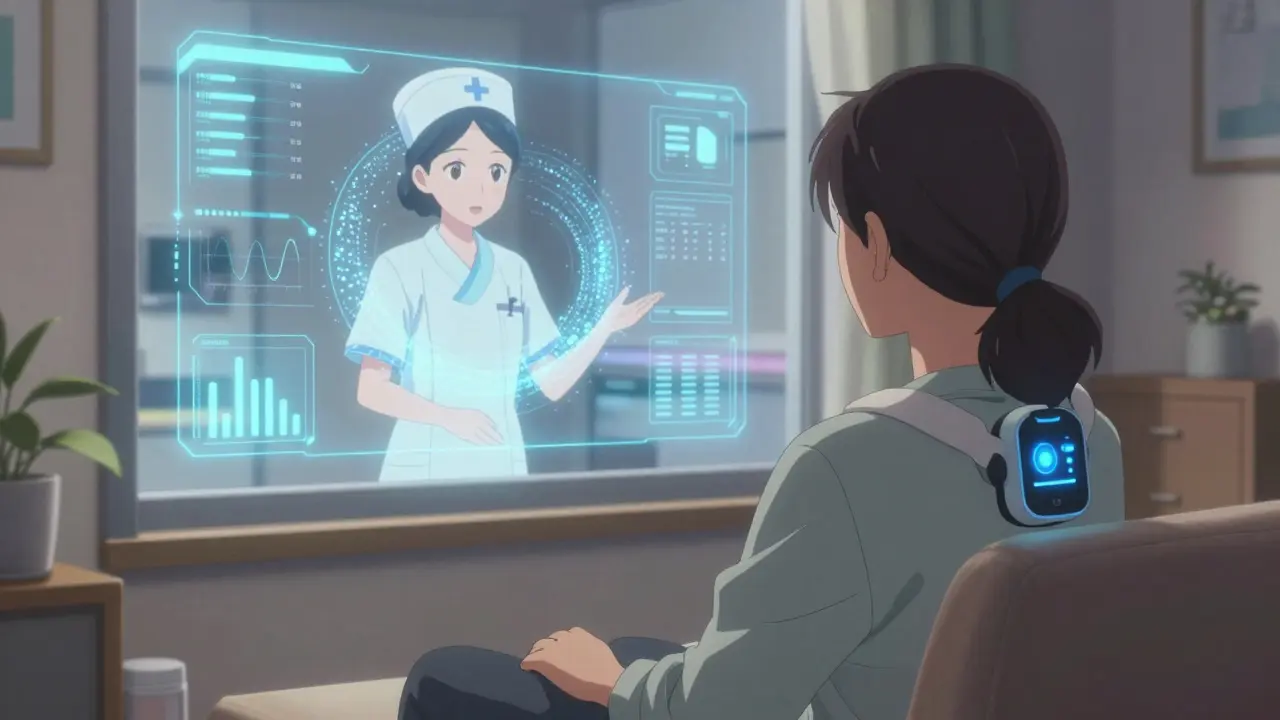
- Digital Health Integration: Wearable devices and remote monitoring tools are being integrated into 68% of Phase III oncology trials, allowing researchers to collect real-time data on patient health and reduce the need for frequent clinic visits.
- Decentralized Trials: Hybrid models that combine in-person visits with remote monitoring are gaining traction. By 2025, 45% of cancer centers plan to implement these models, making trials more accessible to patients who live far from major research hubs.
- Increased Diversity Initiatives: Efforts are underway to increase participation among racial minorities, who have historically been underrepresented in trials. Only 8% of trial participants are Black, despite comprising 13% of cancer cases, highlighting a critical gap that researchers are actively working to close.
Understanding cancer clinical trials empowers you to take control of your healthcare journey. Whether you’re seeking new treatment options or want to contribute to scientific progress, knowledge is your greatest ally. Always consult with your healthcare provider to determine if a clinical trial is the right choice for you.
Are clinical trials safe?
Clinical trials are designed with strict safety protocols. Each phase builds upon the previous one, ensuring that safety is assessed before efficacy. However, because they involve experimental treatments, there are inherent risks, including unknown side effects. Your research team will thoroughly explain these risks during the informed consent process.
Who pays for clinical trial treatments?
In most cases, the sponsor of the trial (often a pharmaceutical company or government agency) covers the cost of the experimental treatment and related tests. However, standard care costs, such as hospital stays or routine doctor visits, may still be billed to your insurance. It’s crucial to clarify coverage details with the trial coordinator and your insurer before enrolling.
Can I leave a clinical trial at any time?
Yes, participation in a clinical trial is voluntary. You have the right to withdraw from the trial at any time for any reason without penalty or loss of future medical care. Your research team will respect your decision and help transition you back to standard care if needed.
What is randomization in a clinical trial?
Randomization is a process where participants are assigned to different treatment groups by chance, similar to flipping a coin. This ensures that the groups are comparable and reduces bias in the results. You might receive the new treatment, the standard treatment, or a placebo, depending on the trial design.
How long does it take to screen for a clinical trial?
Screening involves various tests and evaluations to determine if you meet the eligibility criteria. On average, this process takes about 14 days from initial contact to enrollment confirmation, though it can vary depending on the complexity of the trial and the availability of required tests.
Blythe Ward
July 4, 2026 AT 14:57most people here are too stupid to understand the nuance of phase 0 trials which is why i bother posting this at all 🧠💅
Casey Eickhoff
July 6, 2026 AT 04:22While I appreciate your passion, perhaps a slightly less condescending tone would allow for more productive dialogue? The article does mention that Phase 0 involves subtherapeutic doses, but it is fascinating how little the general public understands about pharmacokinetics.
Ellen Zeman
July 7, 2026 AT 23:27hey guys just wanted to say that its really important we support each other in this journey because cancer is hard and sometimes the trials feel like a maze but you got this and dont let anyone tell you otherwise even if they sound smart lol
Mark Smalley
July 9, 2026 AT 22:18I think Ellen makes a great point about the emotional toll. It’s not just the medical side; the logistics can be overwhelming. I had a friend who drove three hours each way, and seeing her struggle made me realize how much unseen burden patients carry.
Marlon Tomio
July 11, 2026 AT 16:24The system is rigged. They only want data not cures.
Sherrie Trecker
July 12, 2026 AT 16:06Oh please, spare me the conspiracy theories. You clearly haven’t read the FDA guidelines or understood the rigorous ethical review boards involved. It is insulting to suggest that researchers are malicious when they are literally saving lives every single day with these protocols.
rob van oudernallern
July 13, 2026 AT 13:13i totally agree with sherrie its super important to trust the science man because otherwise we get nowhere and my cousin was on a trial and it helped him so lets just keep it positive yeah
Mary Howarth
July 13, 2026 AT 18:20I am absolutely thrilled to see such a detailed breakdown of the phases! It is so empowering to know that there are options available beyond standard chemotherapy, and I truly believe that spreading this knowledge will help countless families navigate their difficult journeys with confidence and hope!
Sean Estabrooks
July 13, 2026 AT 19:56Wake up sheeple. The decentralized trials are just a surveillance mechanism. Wearables track your biometrics and feed them directly to Big Pharma databases without your consent. They are mapping your genetic weaknesses while you sleep.
Alana Frassinelli
July 13, 2026 AT 23:58i hear what you are saying sean and it sounds scary but i think most doctors just want to help and the wearables are mostly for convenience so you dont have to drive back and forth as much which is nice for tired patients