
Imagine you are running on a treadmill. Your heart rate climbs, your body temperature rises, and sweat begins to bead on your forehead. For most people, this is just a workout. For someone with cholinergic urticaria, also known as heat hives or a form of physical urticaria triggered by increased body temperature, it feels like hundreds of tiny needles are pricking their skin. Within minutes, small, itchy bumps appear across the chest and arms. This isn't an allergic reaction to pollen or peanuts; it is an immune system overreaction to your own body heat.
If you have ever experienced sudden itching and flushing after exercise, hot showers, or even eating spicy food, you might be dealing with this condition. It affects roughly 5-7% of all patients who suffer from hives. While there is no permanent cure yet, understanding how your body triggers these symptoms can help you manage them effectively. Let’s look at what causes these heat-induced hives, how doctors diagnose them, and practical steps to prevent flare-ups in your daily life.
What Is Cholinergic Urticaria?
Cholinergic urticaria (CU) is a specific type of chronic physical urticaria characterized by small wheals and intense itching following an increase in core body temperature. Unlike common hives that might pop up for no reason, CU has a clear trigger: heat. When your body gets too warm, nerve fibers around your sweat glands send signals that cause mast cells to release histamine and other inflammatory chemicals into the skin. Histamine is the same chemical responsible for sneezing during hay fever or swelling after a bee sting. In CU, however, it targets your skin in response to thermal changes.
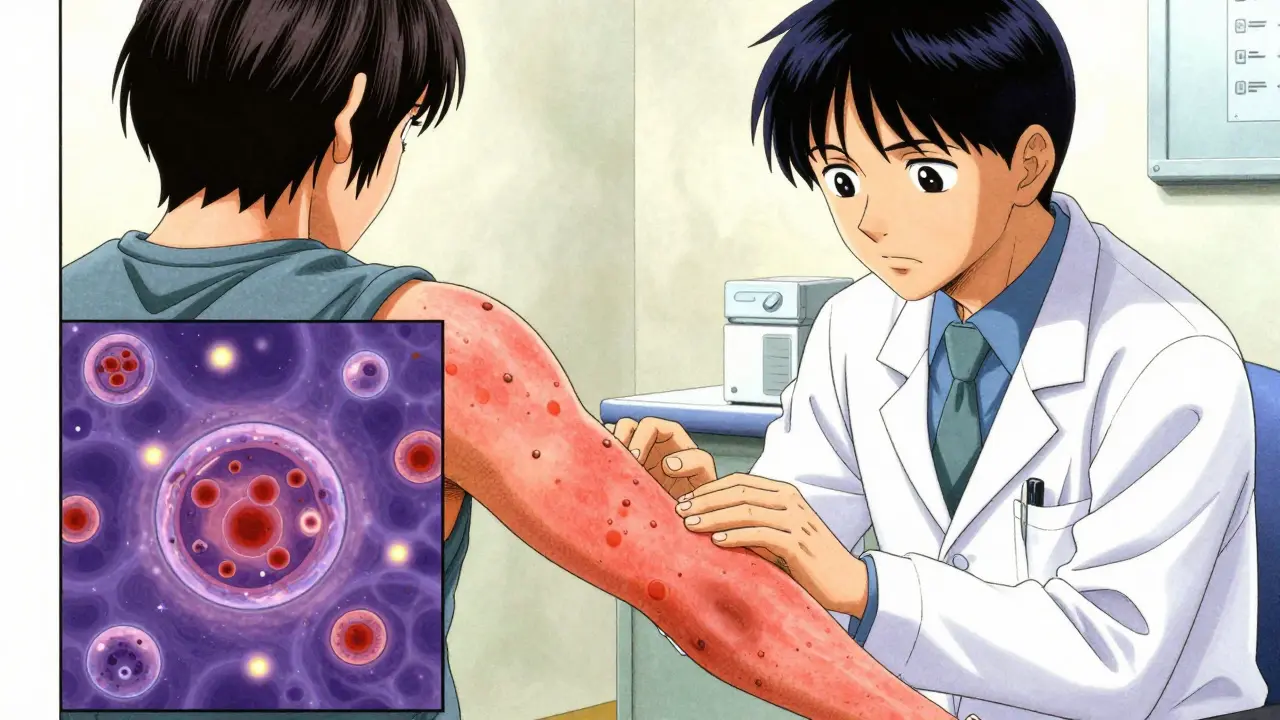
The lesions look distinct. They are typically tiny red bumps, about 1 to 3 millimeters wide, surrounded by larger areas of redness called flares. These spots usually appear on the upper body-specifically the chest, face, upper back, and arms. Interestingly, they rarely affect the palms of your hands or the soles of your feet. The timing is also predictable. Symptoms usually start within 2 to 15 minutes of the heat exposure and fade away completely within 90 minutes once you cool down.
Common Triggers and Risk Factors
You don’t need to run a marathon to trigger cholinergic urticaria. Any activity that raises your core body temperature can set off a reaction. Here are the most common culprits:
- Physical Exertion: Exercise is the primary trigger for nearly 90% of patients. Running, swimming, or even vigorous housework can initiate a flare-up.
- Hot Showers or Baths: Water temperatures above normal body heat can stimulate the sweat glands enough to cause a reaction.
- Emotional Stress: Anxiety, anger, or excitement can raise your body temperature slightly, which is enough to trigger symptoms in sensitive individuals.
- Spicy Foods: Eating chili peppers or foods with high spice content can cause internal heating and sweating, leading to hives.
- Warm Clothing: Wearing heavy layers or non-breathable fabrics in mild weather can trap body heat against the skin.
This condition often starts in adolescence or early adulthood, typically between ages 15 and 25. While it can occur at any age, it is less common in children and older adults. For many, the severity decreases over time. About 30% of cases resolve spontaneously within 7 to 10 years, but for others, it becomes a long-term management issue.
Diagnosis: How Doctors Confirm CU
Because the symptoms mimic other conditions, getting a correct diagnosis is crucial. Many people mistake CU for exercise-induced anaphylaxis or simple heat rash. A dermatologist or allergist will use specific tests to confirm the presence of cholinergic urticaria.
The gold standard for diagnosis is the passive warming test. During this procedure, a doctor places your lower legs in warm water (around 43°C or 109°F) for 15 to 20 minutes. This raises your core body temperature without requiring physical exertion. If you have CU, characteristic pinpoint hives should appear on your trunk or arms within minutes. Another method involves having you exercise on a treadmill until your heart rate reaches 80% of its maximum. Both methods aim to replicate the natural trigger in a controlled environment.
Your doctor will also review your medical history to rule out other types of physical urticaria, such as cold urticaria (triggered by cold air) or dermatographism (triggered by scratching). Accurate diagnosis ensures you receive the right treatment rather than unnecessary avoidance of safe activities.
Treatment Options and Medications
While you cannot change your genetics, you can manage the histamine release that causes the itching and bumps. Treatment focuses on prevention and symptom control.
Antihistamines
Second-generation H1 antihistamines are the first line of defense. Drugs like cetirizine (Zyrtec) or loratadine (Claritin) are commonly prescribed. Unlike older antihistamines, these do not cause significant drowsiness, making them suitable for daily use. Standard doses work for some patients, but others require higher doses-up to four times the recommended amount-to achieve full relief. Always consult your doctor before increasing medication dosage.
H2 Blockers and Combination Therapy
If antihistamines alone aren’t enough, doctors may add H2 blockers like famotidine (Pepcid). Originally used for acid reflux, famotidine blocks a different histamine receptor and can enhance the effectiveness of H1 antihistamines. Studies show that combination therapy improves symptom control in over half of refractory cases.
Biologics for Severe Cases
For patients who do not respond to high-dose antihistamines, biologic therapies offer a new hope. Omalizumab (Xolair), an injection that targets IgE antibodies, was approved by the European Medicines Agency for refractory CU in 2023. Clinical trials showed that 78% of patients achieved complete symptom control with weekly injections. Although expensive, it provides a viable option for those severely impacted by the condition.
Prevention Strategies and Lifestyle Adjustments
Medication helps, but avoiding triggers is equally important. Since you can’t stop your body from generating heat, the goal is to manage how quickly that heat builds up.
- Cool Down Gradually: After exercise, take a lukewarm shower instead of a hot one. Use a fan or air conditioning to lower your body temperature slowly.
- Wear Breathable Fabrics: Choose moisture-wicking materials like polyester blends or merino wool. Avoid tight clothing that traps heat against the skin.
- Modify Exercise Routines: Try low-intensity workouts like yoga or walking. If you enjoy running, consider interval training with frequent breaks to allow cooling periods.
- Manage Stress: Practice relaxation techniques such as deep breathing or meditation to prevent emotional spikes that raise body temperature.
- Dietary Awareness: Keep a food diary to identify if spicy foods or hot beverages trigger your symptoms. You may find that avoiding certain spices reduces flare-ups.
Some patients find success using wearable technology to monitor their core temperature. Smart garments can alert you when your body heat is approaching your personal threshold, giving you time to cool down before hives appear.

When to Seek Emergency Care
Most cases of cholinergic urticaria are uncomfortable but harmless. However, in rare instances, it can lead to severe systemic reactions. About 12% of patients experience symptoms beyond the skin, including:
- Difficulty breathing or wheezing
- Swelling of the throat or tongue
- Dizziness or fainting due to low blood pressure
- Rapid heartbeat
If you experience any of these symptoms, seek emergency medical attention immediately. Your doctor may prescribe an epinephrine auto-injector (EpiPen) for use in severe cases. Never ignore signs of anaphylaxis, as they can progress rapidly.
Living with Cholinergic Urticaria
Living with CU requires patience and adaptation. It can feel isolating when you have to skip social events or modify your fitness routine. But remember, you are not alone. Support groups online and offline provide valuable advice and emotional support. Many people learn to live active, healthy lives by finding the right balance of medication and lifestyle changes.
Research is ongoing. Scientists are studying biomarkers to improve diagnosis and developing new drugs targeting specific immune pathways. With advancements in personalized medicine, future treatments may offer even better control over these heat-induced hives. Until then, staying informed and proactive is your best defense.
Is cholinergic urticaria dangerous?
For most people, cholinergic urticaria is not life-threatening. It causes discomfort and itching but resolves on its own. However, in rare cases (about 12%), it can lead to severe symptoms like breathing difficulties or low blood pressure. If you experience these systemic symptoms, seek emergency care immediately.
How long does cholinergic urticaria last?
Individual hive episodes typically last 15 to 90 minutes after cooling down. As a chronic condition, CU often persists for several years. Approximately 30% of cases resolve spontaneously within 7 to 10 years, while others may require long-term management.
Can I exercise if I have cholinergic urticaria?
Yes, but you may need to modify your routine. Low-intensity exercises, taking frequent breaks to cool down, and wearing breathable clothing can help. Some patients take antihistamines before working out to prevent flare-ups. Consult your doctor for personalized advice.
What is the difference between cholinergic urticaria and heat rash?
Heat rash (miliaria) is caused by blocked sweat ducts and appears as small blisters or red bumps, usually in areas where skin rubs together. Cholinergic urticaria is an immune response involving histamine release, causing widespread itching and tiny wheals surrounded by redness. CU responds to antihistamines, while heat rash resolves with cooling and drying the skin.
Are there any home remedies for cholinergic urticaria?
There are no proven home cures, but you can manage symptoms by keeping cool. Cool compresses, lukewarm baths, and loose cotton clothing can soothe the skin. Avoiding known triggers like spicy foods and hot showers is essential. Over-the-counter antihistamines may provide relief for mild cases.