MAOI Tyramine Safety Checker
How to use: Search for a food or browse categories below to see if it's safe for an MAOI diet. Always consult your doctor regarding dietary restrictions.
🚨 Emergency Warning
If you accidentally consume a high-tyramine food and experience a severe headache, racing heart, or nausea, seek emergency medical care immediately. Ensure you have your MAOI medication card ready for responders.
If you've been prescribed an MAOI, you've probably heard the warning about aged cheeses. But here is the truth: the "cheese reaction" is just the tip of the iceberg. While cheddar or brie might be the most famous culprits, there is a whole world of fermented, aged, and overripe foods that can trigger a dangerous spike in blood pressure. For someone taking these medications, a simple bowl of miso soup or a dash of soy sauce can lead to a medical emergency.
The core of the problem lies in tyramine is a naturally occurring amino acid found in high concentrations in foods that have been aged or fermented. In a typical body, an enzyme called monoamine oxidase breaks this stuff down. However, Monoamine oxidase inhibitors (or MAOIs) are a class of antidepressants that block this enzyme to keep neurotransmitters like serotonin and dopamine active in the brain. When the enzyme is blocked, tyramine builds up in your system, causing your body to release massive amounts of norepinephrine. This can trigger a hypertensive crisis, where systolic blood pressure can rocket past 180 mmHg, requiring immediate ER intervention.
The Hidden Tyramine Traps: Beyond the Deli Counter
Most people focus on the cheese board, but tyramine hides in plain sight across various food groups. The process of enzymatic decarboxylation-which happens as proteins break down during aging-is what creates these triggers. It's not just about the type of food, but how long it has sat and how it was stored.
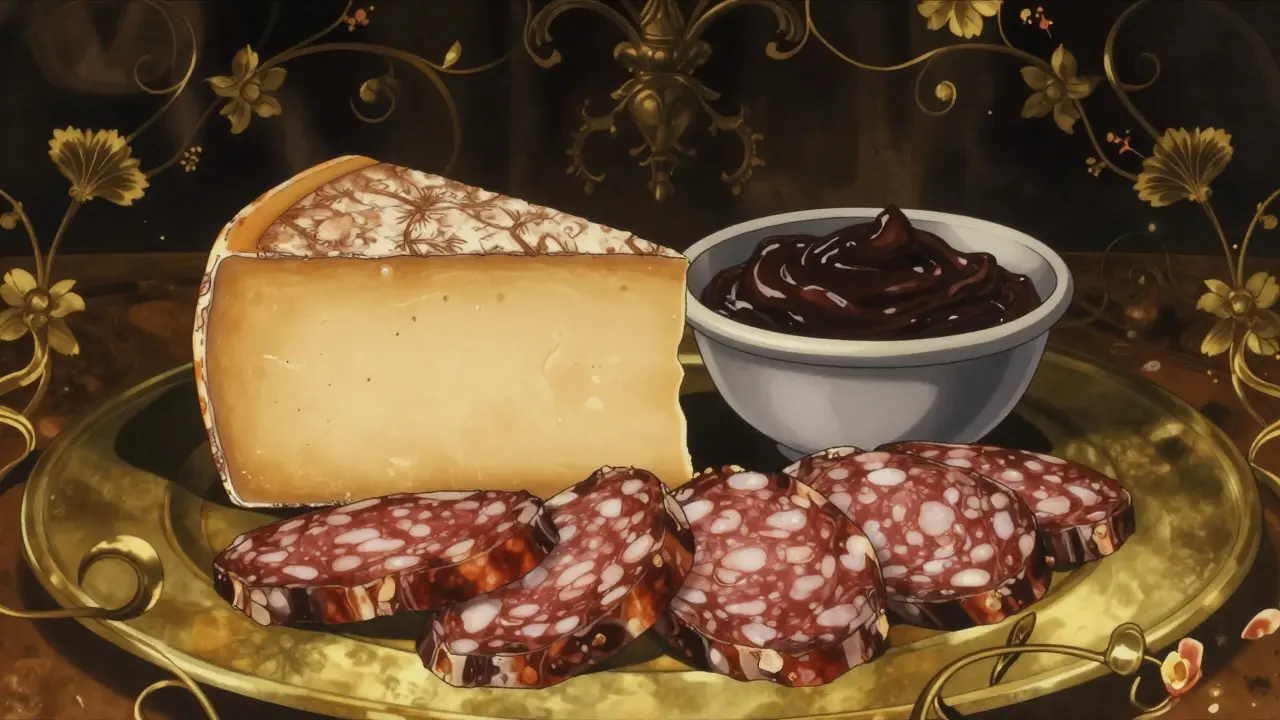
Cured meats are among the most dangerous. While a fresh steak is fine, dry-aged salami and pepperoni are packed with tyramine, often ranging from 80 to 115 mg/kg. Similarly, smoked fish can be a hidden trigger. If you're dining at a restaurant, be wary of "house-cured" meats or artisanal charcuterie, as these often have higher levels of amines than mass-produced versions.
Then there is the world of fermented soy. This is a common blind spot for many patients. Miso paste, soy sauce, and tempeh all contain significant amounts of tyramine. In some clinical circles, there's a debate about whether a single tablespoon of soy sauce is safe, but many experts, including those at Columbia University, suggest total avoidance to stay on the safe side. One real-world example from patient forums describes a person who ended up in the hospital with a blood pressure reading of 210/115 after a single meal of Japanese cuisine.
| Food Category | Specific Example | Approx. Tyramine Level (mg/kg or mg/L) | Risk Level |
|---|---|---|---|
| Cured Meats | Dry-aged Salami | 95-115 | Very High |
| Fermented Soy | Miso Paste | 60-85 | High |
| Fermented Veggies | Sauerkraut | 50-75 | High |
| Condiments | Marmite/Yeast Extract | 40-60 | Moderate-High |
| Alcohol | Vermouth | 50-75 | High |
Overlooked Triggers: Condiments and Produce
You might not think of a sauce as a risk, but fermented condiments are frequent causes of dietary "slips." Worcestershire sauce, fish sauce, and even concentrated tomato paste can contain enough tyramine to be problematic. One of the biggest challenges is restaurant dining; investigations have shown that a majority of chain restaurants fail to accurately identify the presence of soy or Worcestershire sauce when specifically asked.
Fresh produce isn't always safe either. The key is ripeness. An unripe banana is generally fine, but overripe bananas-where the fruit has started to break down-become tyramine bombs. This is why the Mayo Clinic warns against "overripe or spoiled foods" across the board. If it looks or smells like it's past its prime, don't eat it.
When it comes to drinks, the type of processing matters. Draft beer is generally riskier than bottled beer because it's exposed to more air during the dispensing process, which encourages the formation of tyramine. Red wine and sherry also carry significant risks, while clear spirits and most white wines are typically safer options.

Practical Strategies for Staying Safe
Living with an MAOI diet doesn't have to feel like a guessing game, but it does require a shift in how you shop and eat. The learning curve is real; studies show it can take 8 to 12 weeks for patients to truly master the identification of high-risk foods. Here are a few rules of thumb to keep you safe:
- The Cold Rule: Keep everything refrigerated at or below 4°C. While cold temperatures can't remove tyramine that's already there, they slow down the creation of new tyramine. For example, tofu can see its tyramine levels jump five-fold if left in a standard fridge for just a few days.
- Label Literacy: Scan for words like "aged," "cured," "fermented," and "smoked." If a product claims to be "traditionally aged," it's a red flag.
- The "Fresh Only" Mantra: Buy produce that is just ripe or slightly under-ripe. Avoid the "discount" bin of bruised or over-mature fruit.
- Communication: Don't rely on a waiter's memory. If you're eating out, be specific. Instead of asking "is this safe?", ask "does this contain soy sauce, fish sauce, or aged cheese?"
Because the risks are so high, many doctors recommend carrying an emergency MAOI warning card. This card tells emergency responders exactly what medication you're on and why a blood pressure spike is happening, which can save critical minutes in an ER setting.
The Modern Landscape: New Options and Trade-offs
Despite the strict diet, MAOIs remain a powerhouse for treatment-resistant depression. For those who haven't found relief with SSRIs, MAOIs can offer a 65-70% efficacy rate. Because of this, there is a push toward making the diet more manageable.
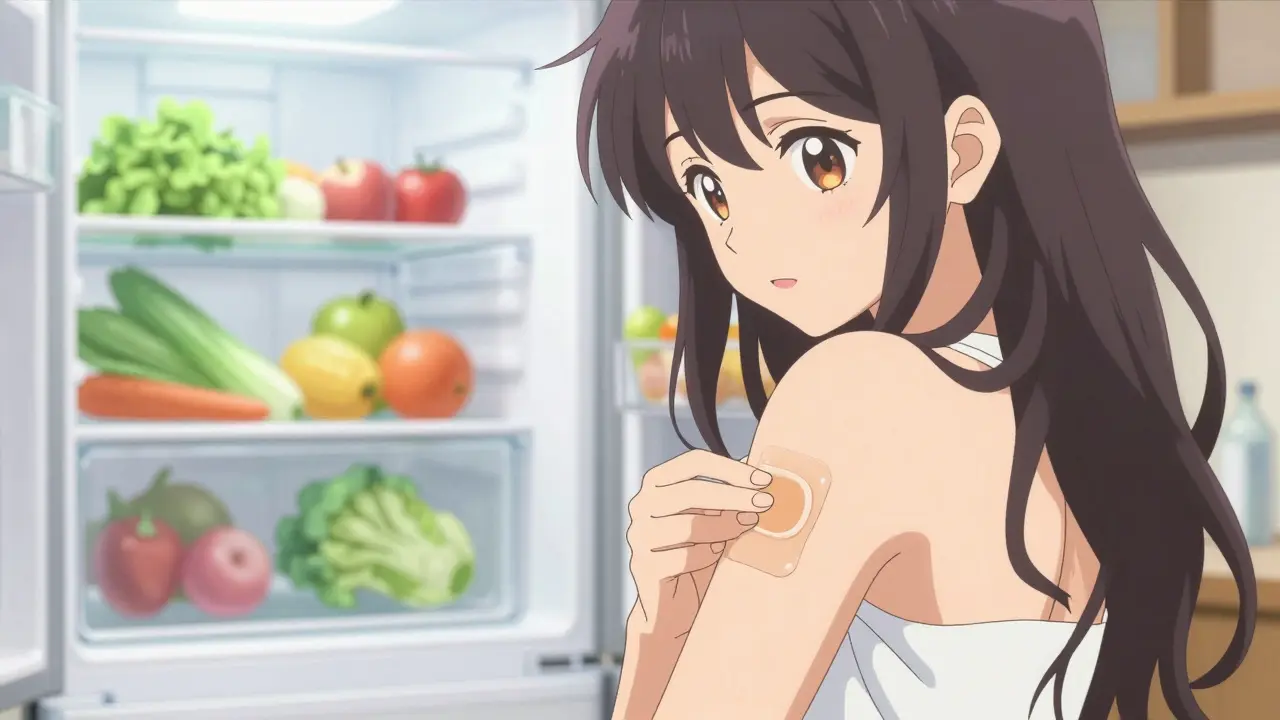
There are now reversible MAOIs, such as the selegiline transdermal patch. These are designed to be more flexible, sometimes allowing a small amount of tyramine (up to 10g daily at certain doses) without the same level of risk as oral versions. There are also emerging enzyme supplements aimed at reducing tyramine absorption, though doctors are still cautious about their long-term safety.
Ultimately, the goal is to balance the incredible mental health benefits of these medications with a disciplined approach to nutrition. While it can feel isolating at first-especially during social events-most patients report that the improvement in their depression is well worth the dietary effort.
Can I eat any kind of cheese while on MAOIs?
Yes, but only fresh cheeses. Cottage cheese, cream cheese, and ricotta are generally safe because they aren't aged. Avoid anything "hard" or "sharp" like cheddar, parmesan, or blue cheese, as these are concentrated with tyramine.
Is soy sauce completely off-limits?
Most psychiatrists recommend total avoidance because of the high tyramine levels in fermented soy. While some clinicians suggest tiny amounts (one tablespoon) might be okay for some, the risk of a hypertensive crisis makes it a gamble that most professionals advise against.
What happens if I accidentally eat a high-tyramine food?
You may experience a sudden, severe headache, nausea, or a racing heart. These are signs of a hypertensive crisis. If your blood pressure spikes rapidly, seek emergency medical care immediately and ensure you have your MAOI medication card ready for the doctors.
Do I still need the diet after I stop taking MAOIs?
Yes. You must continue the tyramine-restricted diet for at least 14 days after your last dose. This allows your body enough time to regenerate the monoamine oxidase enzymes needed to break down tyramine safely.
Are all beers dangerous?
Not all, but draft beers are higher risk than bottled ones due to air exposure. In general, avoid heavy ales and stouts. Stick to light, filtered options or non-alcoholic versions, but always check for fermented additives.
Next Steps for Your Safety
If you are just starting MAOI therapy, your first priority should be a detailed audit of your pantry. Toss anything that is overripe or aged. Next, create a "safe list" of snacks and condiments you enjoy that don't require fermentation. If you're feeling overwhelmed, consider joining a support network-many patients share restaurant-specific tips and recipe swaps that make the transition easier.
For those who find the diet impossible, talk to your psychiatrist about reversible MAOIs or transdermal patches. These alternatives can significantly lower the dietary burden while still providing the neurotransmitter boost needed to combat treatment-resistant depression.
Ben Jima
April 25, 2026 AT 19:21This is such a vital breakdown for anyone starting MAOIs. I've seen so many people struggle with the dietary shift, but focusing on the 'fresh only' mantra really simplifies the process. It's all about building new habits!
Daniel Runion
April 26, 2026 AT 17:40Typical!!! Everyone just follows the manual without thinking!!! Who actually believes these 'expert' guidelines from Columbia??? It's all so dramatic... just because one person had a spike doesn't mean we all have to live like monks!!!
Jon Moss
April 26, 2026 AT 19:01Man, the anxiety of eating out on these meds is real.
William Zhigaylo
April 27, 2026 AT 02:20The sheer incompetence of the medical establishment to provide a comprehensive list of triggers prior to prescription is an absolute travesty. One must endure the psychological torture of constant vigilance simply because the system fails to integrate dietary education into the initial consultation. It is utterly exhausting to navigate a world designed for the metabolically privileged while fighting a chemical war in one's own brain.
Nikita Shabanov
April 28, 2026 AT 13:22For those looking for alternatives, coconut aminos are a great substitute for soy sauce since they are generally lower in tyramine and provide a similar savory profile.
Brittney Prince
April 29, 2026 AT 07:59Sure, follow the 'science' and the 'Mayo Clinic.' They just want us scared of fermented foods because probiotics actually wake you up and make you harder to control. The whole 'hypertensive crisis' thing is probably just a way to keep us dependent on their 'reversible' patches. Don't trust the labels, they're lying about everything anyway.
Majestic Blue Band
April 29, 2026 AT 15:45It is truly fascinating how the pharmaceutical industry pushes these MAOIs while simultaneously instructing us to avoid the very foods that support gut health, and one cannot help but wonder if the 'cheese reaction' is simply a convenient narrative to mask the fact that these drugs are fundamentally altering our biological resonance in ways the doctors refuse to admit in their glossy brochures, especially when you consider that the timing of these restrictions always seems to align perfectly with the release of newer, more expensive patented patches that supposedly 'solve' the problem they created in the first place.
Elle Torres Sanz
April 30, 2026 AT 22:48I love how the post mentions the cultural challenge of Japanese cuisine. It's a bit heartbreaking to miss out on those flavors, but maybe it's a chance to explore other regional cuisines that rely more on fresh herbs and citrus than fermented pastes. We can find a middle ground that keeps us safe and happy!
suresh kumar
May 2, 2026 AT 14:48Who cares about the cheese man! Just chug some water and hope for the best, the adrenaline rush from a blood pressure spike is basically a free energy drink for your heart!
Vijay AGarwal
May 2, 2026 AT 16:19GOODNESS GRACIOUS! The danger of a 210/115 reading is absolutely terrifying! People really don't realize that this isn't just a stomach ache, it is a full-blown emergency that could end in a stroke! PLEASE, I beg you all, do not gamble with your lives over a bit of soy sauce!
Michael Chukwuma
May 3, 2026 AT 22:42I totally agree with the idea of a support network. It's much less scary when you know others are navigating the same restaurant menus.
sachin singh
May 4, 2026 AT 02:16The mention of the selegiline patch is very promising. It seems that medical innovation is finally moving toward reducing the patient's burden while maintaining efficacy. This provides a wonderful glimmer of hope for those who struggle with the strict diet.