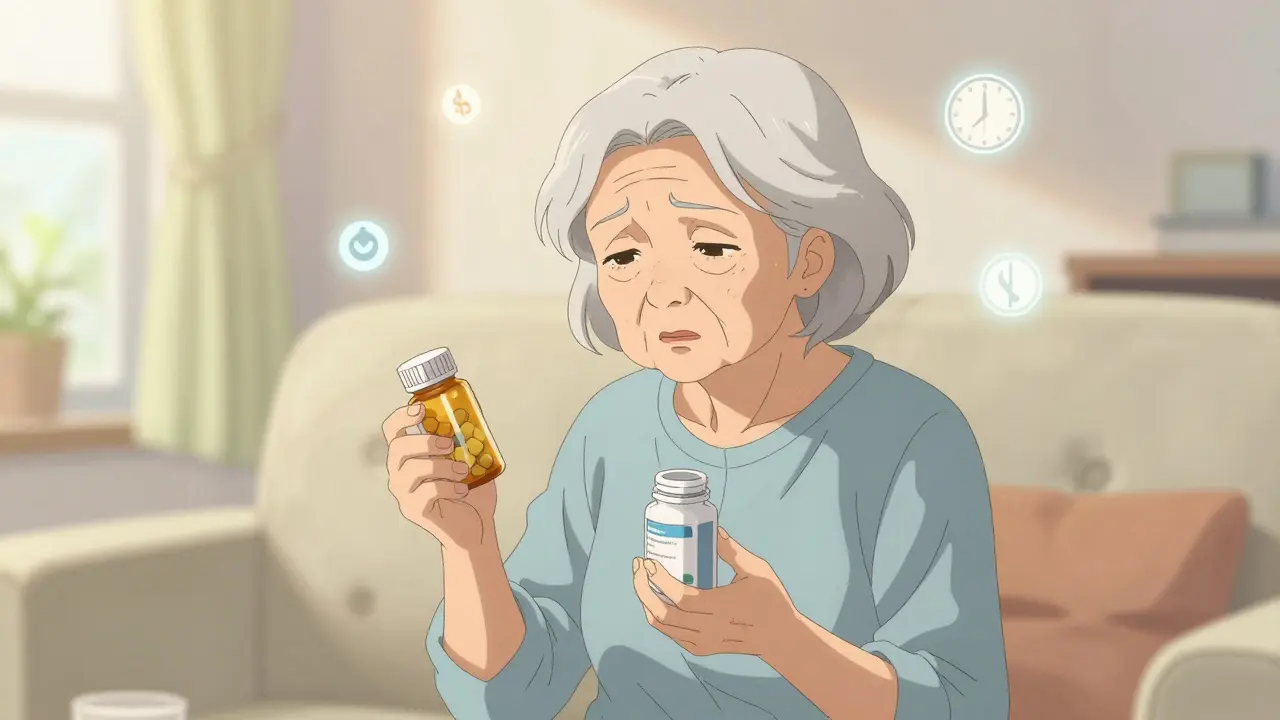
Imagine your mother has taken the same heart medication for ten years. Her doctor switches her to a generic version to save money. A week later, she feels dizzy and confused. Was it the generic drug? Or was it simply getting older?
This scenario plays out in homes across the United Kingdom and beyond every day. The short answer from regulators is that generic drugs are pharmaceutical products containing the same active ingredient, strength, dosage form, and route of administration as their brand-name counterparts are just as safe and effective as brand-name versions. The U.S. Food and Drug Administration (FDA) requires them to meet strict bioequivalence standards, typically within an 80-125% range of the original drug's performance.
But "just as safe" doesn't always feel true when you're caring for an aging parent. As we age, our bodies change in ways that affect how they process any medication-generic or brand. This article cuts through the noise to explain why older adults need special consideration when taking medications, what the data actually says about generics, and how you can manage these risks practically.
How Aging Changes the Way Bodies Process Medication
The biggest factor in drug safety for seniors isn't whether a pill is generic or brand-it's physiology. When you turn 65, your body doesn't just look different; it functions differently chemically.
Research cited by MedShadow.org shows that medication metabolism can drop by up to 30% in adults over 75. Think of your liver and kidneys as filters. In younger people, these filters work efficiently, clearing drugs from the system quickly. In older adults, those filters slow down. Reduced renal clearance and decreased hepatic metabolism mean drugs stay in the bloodstream longer and at higher concentrations.
Body composition also shifts. Older adults tend to have more body fat and less total body water. Fat-soluble drugs (like many sedatives) accumulate in fat tissue, while water-soluble drugs become more concentrated in the remaining blood volume. A "normal dose" for a 40-year-old can effectively be an overdose for an 80-year-old.
These changes create a perfect storm for adverse drug reactions (ADRs). According to Caregiver.org, older persons are extra sensitive to the adverse effects of central nervous system (CNS) medications. This sensitivity applies regardless of the manufacturer's logo on the bottle.
The Polypharmacy Problem: Why More Meds Mean More Risk
If one drug is risky due to aging physiology, multiple drugs are dangerous. This condition is called polypharmacy, defined as the concurrent use of multiple medications by a patient. It is the single biggest threat to medication safety in older adults.
The statistics are stark. A 2023 study published in PMC reveals that the risk of an adverse drug reaction is approximately 13% when taking two medications. That number jumps to 58% with five medications. If an older adult takes seven or more drugs, the risk skyrockets to 82%.
Why does this matter for generics? Because most older adults take generics. Medicare beneficiaries aged 65+ fill an average of 48 prescriptions annually, and 89% of those are generic. When you combine high volumes of medication with age-related metabolic slowdown, small variations in how drugs are absorbed or released can trigger interactions that wouldn't happen in a healthier body.
Do Generics Behave Differently in Older Adults?
Regulators say no. Experts say "mostly no, but watch out." Let's break down the nuance.
For most common drugs-statins, blood pressure meds, antibiotics-generics perform identically to brands in clinical trials and real-world settings. Dr. Janet Woodcock of the FDA stated in 2021 congressional testimony that "generic drugs are just as safe and effective as brand-name drugs." For the vast majority of patients, switching saves money without sacrificing health outcomes.
However, there is a specific category where caution is warranted: Narrow Therapeutic Index (NTI) drugs. These are medications where a tiny difference in blood concentration can lead to treatment failure or toxicity. Warfarin, used for blood thinning, is the classic example.
A 2023 study in *Beliefs about generic drugs among elderly adults* found that 42% of surveyed seniors considered generic warfarin riskier than brand-name Coumadin. While clinical studies show 98.7% therapeutic equivalence, some geriatricians recommend sticking to one manufacturer for NTI drugs in frail elders to avoid minor fluctuations in absorption rates caused by different inactive ingredients (fillers and binders).
| Factor | Brand-Name Drugs | Generic Drugs |
|---|---|---|
| Active Ingredient | Identical to standard | Identical to standard |
| Inactive Ingredients | Consistent formulation | May vary by manufacturer |
| Bioequivalence | d>Reference standard | 80-125% of reference |
| NTI Drug Stability | Predictable across batches | Minor batch-to-batch variation possible |
| Cost Impact | Higher out-of-pocket | Significant savings (up to 80%) |
High-Risk Medications: The Beers Criteria Guide
To help doctors navigate these risks, the American Geriatrics Society publishes the Beers Criteria, which provides evidence-based guidance specifically for older adults in all care settings regarding potentially inappropriate medication use. The 2023 update highlights several classes of drugs that pose elevated risks, regardless of whether they are generic or brand.
Here are three critical areas to watch:
- Opioids and Benzodiazepines: Combining these increases overdose risk by 154%. The Beers Criteria strongly advises against this combination in older adults due to respiratory depression and fall risks.
- SNRIs (Serotonin-Norepinephrine Reuptake Inhibitors): Added to the criteria as potentially inappropriate for older adults with a history of falls. They increase fall risk by 37%.
- Aspirin for Primary Prevention: Now carries caution for adults 70+. A systematic review showed a 2.3x increased bleeding risk with no significant cardiovascular benefit compared to placebo.
Dr. Michael Steinman, a geriatrician at UCSF, noted in a 2022 JAMA Internal Medicine review that "the fundamental issue isn't generic versus brand, but rather appropriate medication selection considering age-related pharmacokinetic changes and multimorbidity." In other words, stop asking if the generic is bad. Start asking if the drug itself is right for an aging body.
Real-World Experiences: Perception vs. Reality
Data tells one story, but human experience tells another. On Reddit’s r/agingparents forum, users frequently report issues after switching from brand to generic. One user shared that their 82-year-old mother’s TSH levels became unstable after switching from brand-name Synthroid to generic levothyroxine, requiring three dosage adjustments in six months.
Is this a failure of the generic? Not necessarily. Levothyroxine is highly sensitive to timing, food intake, and even the specific filler materials in the tablet. Small changes in routine or formulation can disrupt absorption in fragile systems.
Conversely, positive experiences abound. A caregiver on SeniorMedSafety reported saving $1,200 annually by switching his father to generic atorvastatin, with identical LDL results over 18 months. The key difference? Monitoring. The families who succeed with generics are the ones who track blood work closely during transitions.
A 2023 analysis by MedShadow.org found that 28% of medication errors in older adults involved confusion between similar-looking generic medications, compared to 12% for brand-name drugs. This suggests that packaging and labeling differences-not chemical ineffectiveness-are major contributors to perceived safety issues.
Practical Strategies for Safer Medication Management
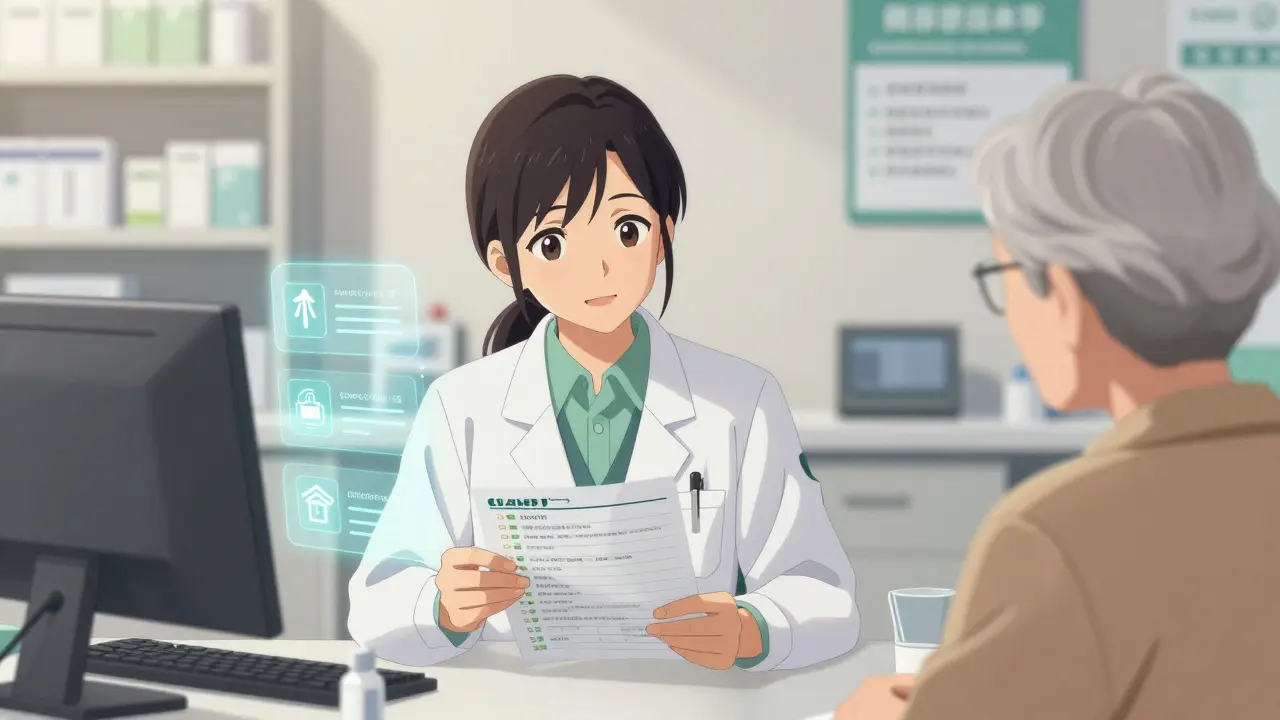
You don't need to be a pharmacist to keep an older adult safe. You do need a system. Here are actionable steps based on guidelines from the National Institute on Aging (NIA) and the American Academy of Family Physicians (AAFP).
- Request Large Print Labels: Vision challenges affect 65% of adults 65+. Ask the pharmacy for larger type on containers to prevent misreading dosages.
- Use Pill Organizers: Color-coded containers or automated dispensers reduce medication errors by 34%, according to a 2021 Journal of the American Geriatrics Society study.
- Conduct Quarterly Med Reviews: If your loved one takes five or more medications, schedule a comprehensive review with a pharmacist. These reviews reduce adverse events by 27%.
- Maintain a Master List: Keep an updated list of all medications, including doses and prescribing doctors. Verify this list at every appointment. This practice reduces duplicate therapies by 41% in Medicare beneficiaries.
- Check Storage Conditions: 22% of medication errors in seniors involve expired or improperly stored drugs. Keep meds away from heat and humidity.
If you are concerned about a specific switch, talk to the prescriber. For NTI drugs like warfarin or levothyroxine, you can request a "dispense as written" designation to ensure consistency, though insurance coverage may vary.
Looking Ahead: New Regulations and Research
The industry is responding to these concerns. The FDA’s 2022 Generic Drug User Fee Amendments (GDUFA III) strengthened post-market surveillance for generics, particularly for NTI drugs. The Sentinel Initiative now includes age-stratified monitoring, providing better data on how generics perform in populations over 80.
Furthermore, the National Institute on Aging has allocated $27 million for geriatric pharmacology studies under its 2023-2027 Strategic Plan. Future updates to the Beers Criteria will likely include AI-driven personalized medication risk assessment tools, helping doctors predict individual reactions before prescribing.
Until then, vigilance remains your best tool. Generic drugs are a vital part of healthcare affordability, but they require careful management in aging bodies. By understanding the physiological changes of aging and using structured safety protocols, you can ensure that cost savings never come at the expense of safety.
Are generic drugs less effective for older adults?
No, generic drugs are not inherently less effective. They contain the same active ingredients as brand-name drugs and must meet strict bioequivalence standards set by regulatory bodies like the FDA. However, older adults may be more sensitive to minor variations in inactive ingredients or absorption rates due to age-related changes in metabolism and kidney function. For most drugs, generics are equally effective, but for narrow therapeutic index (NTI) drugs, close monitoring is recommended.
What is the Beers Criteria and why does it matter?
The Beers Criteria is an evidence-based guideline published by the American Geriatrics Society that identifies medications potentially inappropriate for older adults. It matters because it helps clinicians avoid drugs that pose higher risks of side effects, such as falls, confusion, or bleeding, in people aged 65 and older. The criteria are updated regularly to reflect new research and apply to both generic and brand-name medications.
How does polypharmacy increase risk in seniors?
Polypharmacy refers to taking multiple medications simultaneously. As the number of drugs increases, so does the risk of adverse drug reactions and interactions. Studies show that the risk of an adverse event rises from 13% with two medications to 82% with seven or more. Older adults are particularly vulnerable because their bodies metabolize drugs more slowly, leading to accumulation and toxicity.
Should I stick with brand-name drugs for my elderly parent?
For most medications, switching to generics is safe and cost-effective. However, for narrow therapeutic index (NTI) drugs like warfarin or levothyroxine, some experts recommend staying with one manufacturer to minimize variability in absorption. Discuss this with your doctor or pharmacist. If stability is crucial, ask if your insurance allows a "dispense as written" request for specific medications.
What are signs of adverse drug reactions in older adults?
Signs can be subtle and often mistaken for normal aging or dementia. Look for sudden confusion, dizziness, falls, unexplained fatigue, gastrointestinal issues, or changes in mood. CNS medications, opioids, and benzodiazepines are common culprits. If any new symptoms appear after starting or changing a medication, contact a healthcare provider immediately.
Ramanath Rao
May 26, 2026 AT 08:40Wake up people! In India we do not have this luxury of complaining about generic fillers when the basic healthcare infrastructure is crumbling for the masses. You Americans are so obsessed with your "brand loyalty" that you forget millions die from lack of access entirely. The Beers Criteria is useless if you cannot afford the pharmacy visit. This article is full of Western privilege disguised as medical advice. Stop whining about dizziness and start fighting for universal coverage instead of focusing on the logo on the bottle.
Elizabeth Fandry
May 26, 2026 AT 21:53One must ponder the existential dread inherent in the bioequivalence range 🧐. Is the self truly continuous if the chemical composition fluctuates by even a fraction? The FDA’s 80-125% standard suggests a fundamental instability in our material reality 😶🌫️. We cling to brand names as anchors in a sea of pharmaceutical nihilism, yet the body itself is merely a decaying vessel subject to entropy. Perhaps the confusion experienced by the elderly is not a side effect, but an awakening to the absurdity of trying to control biology through standardized industrial products 📉. It is pretentious to assume science can fully encapsulate the human experience, yet we demand it anyway.
Madeline Petes
May 27, 2026 AT 08:01i totally get why ppl are worried but honestly generics save so much money!! my mom switched to generic statins and her numbers are great. sure there might be tiny diffrences in fillers but unless u r on warfarin or something super sensitive it should be fine. dont let fear stop u from saving cash for other things like food or travel lol. just keep an eye on how she feels thats all. optimism is key here!
Michael Schurmann
May 28, 2026 AT 19:11The average reader lacks the intellectual capacity to understand the nuances of pharmacokinetics discussed here. You see a list of drugs; I see a failure of regulatory oversight masquerading as consumer protection. The notion that 'most' generics are safe is a statistical platitude that ignores the catastrophic outliers who suffer irreversible damage due to batch variations in NTI drugs. Your reliance on the Beers Criteria is quaint, bordering on naive, given the sheer complexity of polypharmacy interactions in geriatric populations. One does not simply 'monitor' these risks without a PhD in clinical pharmacology. Do not mistake brevity for clarity.
Gary Helminiak
May 30, 2026 AT 00:58As a pharmacist who has spent over two decades compounding and dispensing medications for geriatric patients, I can tell you that the issue is rarely the active ingredient itself but rather the excipients and the patient's adherence to timing protocols which often gets overlooked in these broad discussions. When we talk about levothyroxine for instance, the binding agents used by different manufacturers can significantly alter the dissolution rate in the gastrointestinal tract, which becomes critically important when renal clearance is already compromised by age-related nephron loss. I always recommend that patients taking Narrow Therapeutic Index drugs stick to one manufacturer if their insurance allows, not because the generic is 'bad', but because consistency reduces the variable load on their metabolic system. Furthermore, the use of automated pill dispensers is not just a convenience but a critical safety net that prevents double-dosing errors which are alarmingly common among seniors living alone. We must also consider that many older adults take supplements like calcium or iron which can chelate certain antibiotics and thyroid hormones, rendering them ineffective regardless of whether they are brand or generic. Education is the most powerful tool we have here. 📚💊
dane thorp
May 30, 2026 AT 22:32The data presented regarding the 82% risk increase with seven or more medications is concerning and warrants immediate attention from primary care providers. It is essential to maintain accurate records of all prescriptions and over-the-counter supplements to facilitate effective medication reviews. Patients should not hesitate to request a comprehensive audit of their current regimen annually. This approach ensures that any potential interactions are identified before they result in adverse events. Respect for the physiological changes associated with aging dictates a cautious and methodical approach to pharmacotherapy.
irine sabrina
June 1, 2026 AT 18:10I really appreciate this thoughtful discussion on such a delicate topic. As someone who cares for my grandmother, I find myself walking a tightrope between wanting to save money and fearing for her health. The point about large print labels was a lightbulb moment for me because she constantly struggles to read the small text on her bottles. I think empathy is key here-doctors need to listen to caregivers' concerns about specific reactions rather than dismissing them as 'just getting old.' Let's support each other in navigating this complex healthcare system with kindness and vigilance. 🌸
Christina Mitchell
June 1, 2026 AT 19:22The philosophical underpinning of modern medicine often overlooks the individual variability of human metabolism. While statistics provide a macro view, the micro experience of the patient is what truly matters. We must embrace the uncertainty inherent in biological systems. The shift towards AI-driven risk assessment mentioned in the article is a step forward, but it must be balanced with human intuition and cultural understanding of health practices. Not every deviation is a failure; sometimes it is the body speaking its truth. We should encourage open dialogue between patients and providers rather than rigid adherence to protocols that may not fit every unique constitution.