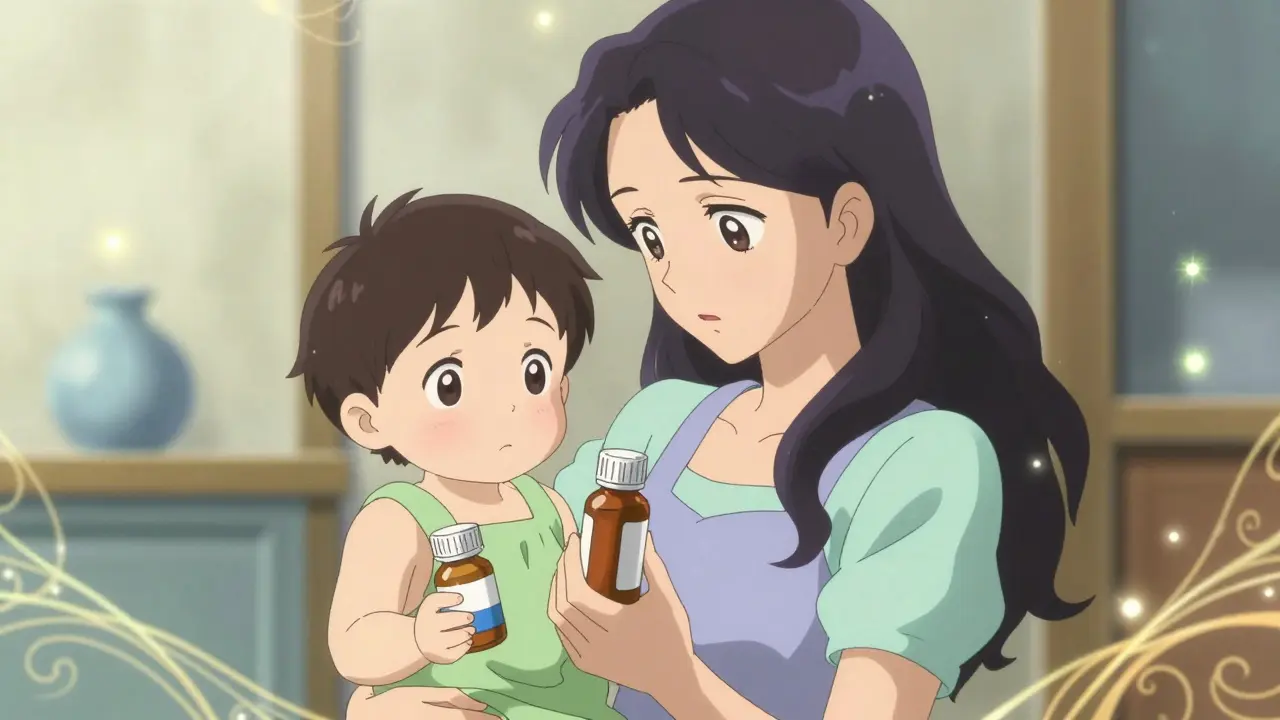
Giving a child medication is stressful enough without wondering if the generic version of a drug is just as safe as the brand name. While we usually think of generics as identical copies, the reality for kids is a bit more complicated. Children aren't just small adults; their bodies process chemicals differently, and a generic substitute that works fine for a grown-up might pose unexpected risks for a toddler. In fact, about 60% of generic drugs lack specific pediatric dosing information, which is significantly higher than the 35% seen in brand-name versions.
Why generics aren't always a simple swap for kids
When the FDA approves a generic, it must have the same active ingredient as the brand name. However, the pediatric safety conversation isn't about the active drug-it's about the "inactive" ingredients, known as excipients. These include fillers, dyes, and preservatives that don't treat the illness but change how the drug is delivered. For a child, especially those under 2 years old, these additives can be problematic because their organs aren't fully mature.
Excipients are inactive substances formulated alongside the active ingredient of a medication. While safe for adults, certain preservatives in generic syrups can cause allergic reactions or gastrointestinal distress in infants. For example, some parents have reported their children developing rashes after switching to generic cetirizine simply because the preservative used in the generic version differed from the brand.
Physiological differences also play a huge role. Take acetaminophen: young children are actually less susceptible to acute toxicity than adults because they produce glutathione at a higher rate. On the flip side, using aspirin in children under 19 can trigger Reye's syndrome, a rare but deadly condition. Because generics are often marketed with adult-centric labeling, these nuances can be missed if the healthcare provider isn't specifically looking for pediatric data.
The KIDs List: Knowing which drugs to avoid
To help doctors and parents, the Pediatric Pharmacy Association has created the KIDs List (Key Potentially Inappropriate Drugs List) . This isn't just a suggestion list; it's a database of over 4,000 drugs with safety concerns for children. The list breaks recommendations into "avoid" and "caution" categories based on how severe the risk is.
For instance, the generic antihistamine promethazine is flagged with a "strong" recommendation to be avoided in kids under 2 and used with extreme caution up to age 18 due to the risk of fatal respiratory failure. Similarly, generic benzocaine-often used as a topical anesthetic-should never be applied orally to children under 2 because it can cause methemoglobinemia, a condition where the blood can't carry enough oxygen.
| Drug (Generic) | Risk Group | Potential Concern | KIDs List Status |
|---|---|---|---|
| Promethazine | Under 2 years | Respiratory failure | Avoid |
| Benzocaine | Under 2 years | Methemoglobinemia | Avoid |
| Lamotrigine | Children | Stevens-Johnson Syndrome | Caution |
| Verapamil | Infants | Cardiovascular complications | Caution |

The danger of "Off-Label" use and dosing errors
One of the biggest gaps in pediatric care is that roughly 40% of pediatric prescriptions are for "off-label" uses. This means the drug is being used for a purpose or in a population it wasn't officially tested for. When you combine off-label use with a generic drug that lacks a pediatric-specific label, the risk of error skyrockets. According to data from The Joint Commission, medication errors can be up to three times more frequent in children than in adults.
Most of these errors happen during the administration phase. A tiny decimal point error can lead to a 10-fold overdose. Experts like Dr. John N. van den Anker emphasize the "zero rule": never place a zero after a whole number (write 1, not 1.0). In a high-stress environment, a misplaced dot can turn a safe dose into a toxic one.
Certain generic drug classes are riskier than others. Liquid formulations are the primary culprit, accounting for 37% of pediatric medication errors. Anticoagulants and opioids follow closely behind. This is often because liquid generics can vary in concentration between manufacturers, leading to caregivers giving too much or too little of the active drug.
Practical steps for parents and caregivers
You don't need to be a pharmacist to keep your child safe, but you do need to be vigilant. The first rule is to avoid the temptation to use adult medications for children. Adult formulations are designed for adult metabolism and often contain dosages that are far too potent for a child's liver and kidneys to handle.
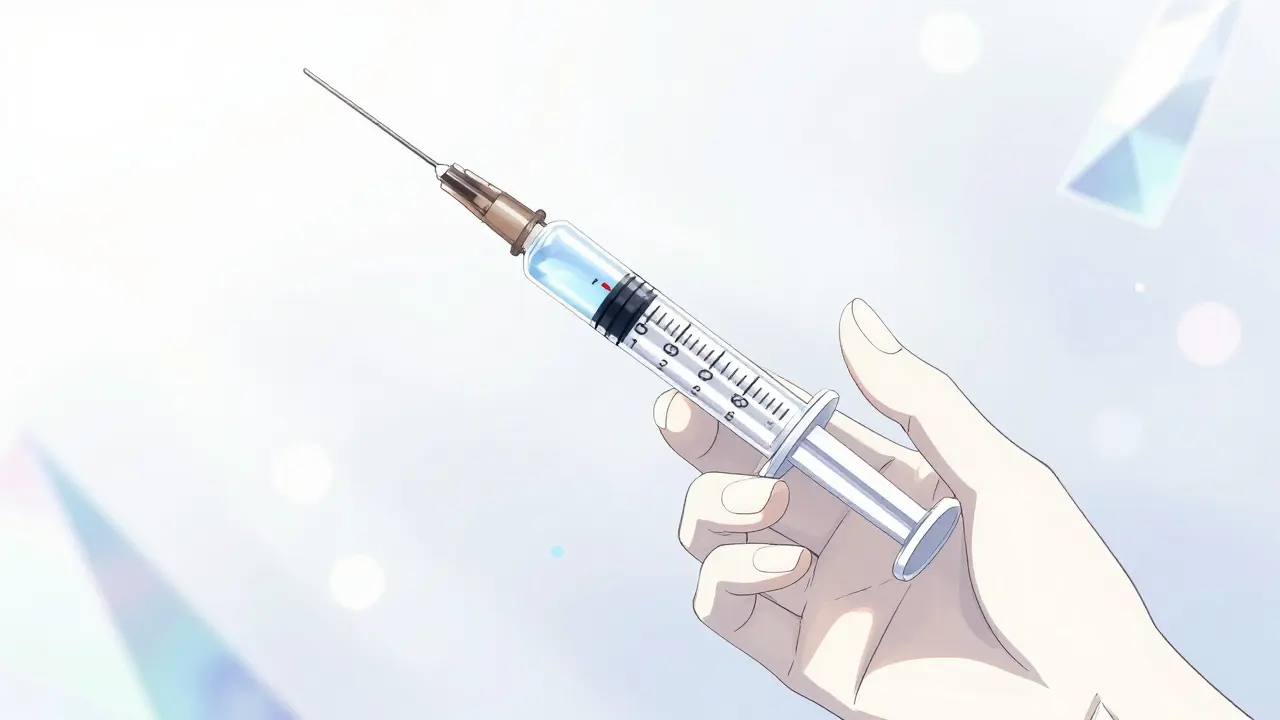
When administering a generic liquid medication, put the kitchen spoons away. Household spoons are notoriously inaccurate. Using a dedicated oral syringe can reduce dosing errors by 50%. Always measure in a well-lit room and double-check the concentration on the bottle-not just the dose on the prescription. If the bottle says 10mg/5mL and you need 10mg, you give 5mL. If the generic version is 20mg/5mL, you only give 2.5mL. A mistake here is where most accidents happen.
If you are concerned about a generic substitution, you have options. Your pediatrician can write "Dispense as Written" (DAW) on the prescription. This tells the pharmacy that the brand-name version is medically necessary and prevents the automatic switch to a generic. This is particularly important for "narrow therapeutic index" drugs like levothyroxine or phenytoin, where even a tiny variation in potency can cause a seizure or thyroid imbalance.
Closing the safety gap
The landscape is changing for the better. The FDA's 2023 Pediatric Action Plan is pushing manufacturers to actually study their drugs in children rather than guessing based on adult data. We're also seeing the rise of AI tools that can predict age-appropriate dosing with nearly 89% accuracy, which will eventually take some of the guesswork out of the process for clinicians.
For now, the best defense is a combination of professional guidance and careful home habits. Keep a running list of every supplement, over-the-counter drug, and prescription your child takes. This simple act of medication reconciliation can prevent nearly 80% of adverse events. When in doubt, ask your pharmacist: "Is this generic version identical in its inactive ingredients to the brand, and is the concentration correct for my child's weight?"
Are generic drugs always safe for children?
Most generic drugs are safe, but they aren't always interchangeable for children. Because children's organs are immature, inactive ingredients (excipients) in generics can sometimes cause reactions that wouldn't happen in adults. Additionally, some generics lack specific pediatric dosing guidelines, increasing the risk of dosing errors.
What is the KIDs List?
The KIDs List, developed by the Pediatric Pharmacy Association, is a comprehensive directory of drugs that may be inappropriate for children. It categorizes medications into "avoid" and "caution" based on the strength of evidence and the severity of potential adverse effects, such as respiratory failure or severe skin reactions.
How can I prevent dosing errors at home?
Always use a calibrated oral syringe or dosing cup rather than a household spoon. Ensure you are in a well-lit area when measuring, double-check the concentration (mg/mL) on the label, and maintain a current list of all medications your child is taking to avoid dangerous interactions.
Can I request the brand-name drug instead of the generic?
Yes. If your doctor believes a brand-name version is necessary for safety or efficacy, they can write "Dispense as Written" (DAW) on the prescription. This prevents the pharmacist from automatically substituting it with a generic version.
Why are liquid generics riskier than tablets?
Liquid formulations are prone to errors because concentrations can vary between different generic manufacturers. A mistake in calculating the volume based on the concentration can lead to significant over- or under-dosing, which is why liquid medications account for a high percentage of pediatric medication errors.
Del Bourne
April 6, 2026 AT 02:37The distinction between active ingredients and excipients is such a critical point that often gets overlooked during quick pharmacy visits. Many parents aren't aware that dyes or preservatives can trigger sensitivities in infants, even when the primary drug is identical. It is always a good idea to ask for the full ingredient list if your child has a history of allergies. Using a calibrated syringe is also a non-negotiable for me; those kitchen spoons are far too inconsistent for medical dosing. I've seen so many near-misses just because of a slightly larger tablespoon at home. Staying vigilant about concentration changes between generic brands is the best way to ensure a safe recovery for the little ones.
Jay Vernon
April 6, 2026 AT 16:32Thanks for the tips! 💊✨
Ethan Davis
April 7, 2026 AT 14:40Typical. They tell you the generics are 'safe' until they admit 60% of them don't even have pediatric data. Big Pharma probably pushes these cheap fillers on kids just to see what happens while they pocket the difference. You can't trust the FDA to actually police this stuff. They'll just keep letting companies 'guess' the dose until someone gets hurt and then they'll issue a recall two years too late. The whole system is rigged to prioritize profit over kids' health, and these 'action plans' are just PR moves to keep us quiet.
Darius Prorok
April 9, 2026 AT 03:46Everyone knows the brand name is better for the tricky stuff. It's not even a debate if you actually know how the labs work. Generic companies just follow a recipe, they don't do the real research. Just get the brand name and stop worrying about the price.
Laurie Iten
April 9, 2026 AT 17:11it is interesting how we trust the industrialization of medicine so implicitly we forget that a child is a developing soul not just a biological machine needing a chemical fix the lack of pediatric data is a reflection of a society that values efficiency over the actual nuance of human growth
Victoria Gregory
April 10, 2026 AT 05:29I totally feel that!! 🌸 It's all about balance, right?? I think we can all find a middle ground where we trust our doctors but still keep a little eye on things!! Just being mindful is half the battle!! ✨💖
Benjamin cusden
April 12, 2026 AT 05:07The sheer audacity of suggesting that a simple 'list' is sufficient for clinical pharmacological oversight is laughable. One does not simply cross-reference a database and expect to mitigate the complex pharmacokinetic variations present in neonates. The mention of AI achieving 89% accuracy is particularly quaint, as it ignores the fundamental stochastic nature of biological response in pediatric patients. It is a rudimentary overview at best, lacking any real depth into the metabolic pathways of the liver.
Michael Flückiger
April 12, 2026 AT 15:25This is such a helpful guide!!! I'm so glad there are tools like the KIDs list out there!!!! It really takes the stress away when you have the facts!!!! Let's all just be super careful and look out for our kiddos!!!!
Ruth Swansburg
April 13, 2026 AT 01:58This information is vital. Parents must remain proactive. I strongly encourage everyone to maintain a detailed medication log. It saves lives. Be precise and stay focused!
Kathleen Painter
April 15, 2026 AT 00:20I've always felt that as a community, we can support each other in navigating these healthcare hurdles, and while the data on liquid medications is definitely alarming, it's also a great opportunity for us to educate one another on why we should steer clear of those household spoons that we all grew up using. I remember my own grandmother using a regular spoon for everything, but the science has come so far that we can actually provide a much safer environment for our children now by simply being a bit more intentional with our measurements and asking the right questions at the pharmacy counter, which really just comes down to taking an extra minute of our time to ensure the long-term wellbeing of the child.