Why Some Meds Get the Red Carpet Treatment
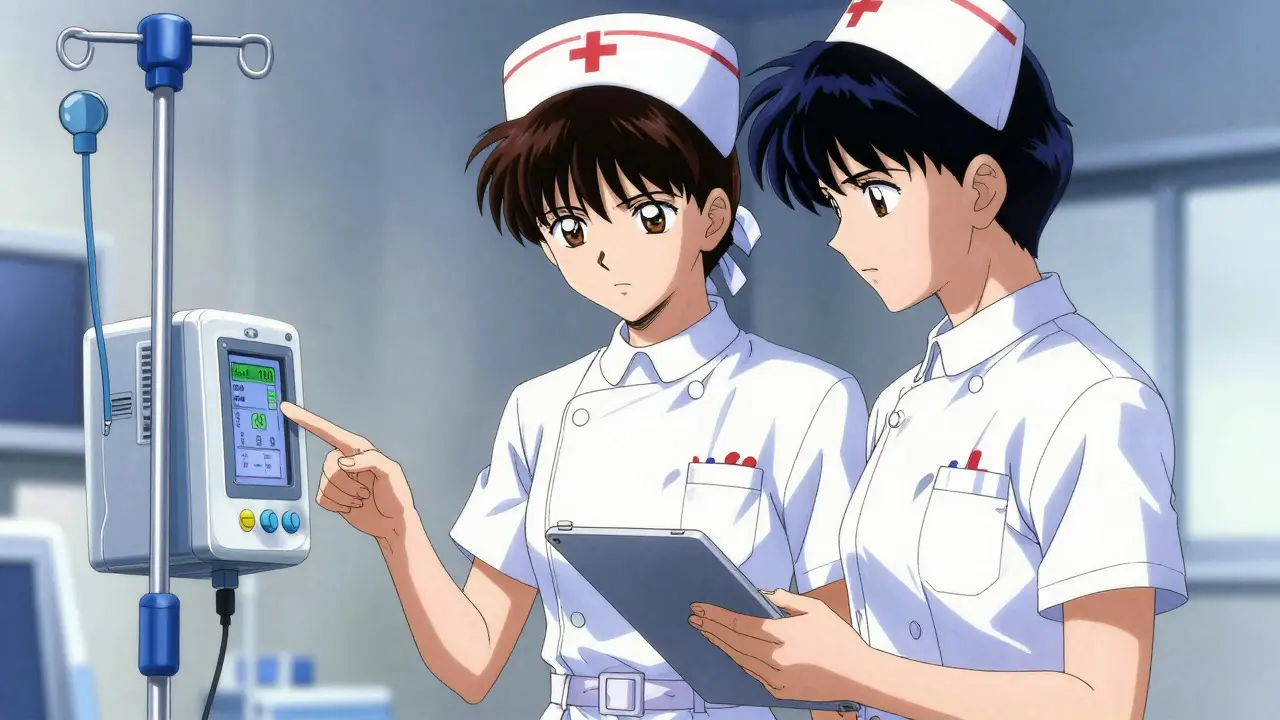
You walk into a hospital room, and you see two nurses standing over your IV pump. They aren't chatting about their weekend plans. They are intensely focused on a small bag of fluid hanging from the pole. One nurse points to the screen; the other nods, checks her own calculation, and then both sign a digital record. It looks like bureaucracy, but it is actually a lifeline.
This ritual is known as an independent double check, or IDC. It is the gold standard for preventing catastrophic medication errors that could lead to severe patient harm or death. Not every pill gets this treatment. If you take a daily vitamin or a standard antibiotic, one person handles it. But for what experts call high-alert medications, the stakes are too high for a single pair of eyes.
The Institute for Safe Medication Practices (ISMP) defines these drugs simply: they bear a heightened risk of causing significant patient harm when used in error. A tiny miscalculation with a regular painkiller might give you a headache. The same mistake with a high-risk drug can stop your heart or crash your blood pressure. That is why hospitals have strict protocols for them.
The High-Alert List: What Drugs Trigger Extra Checks?
So, which medications make the cut? The list isn't random. It is based on data about how often errors happen and how bad the consequences are. The ISMP updates its list regularly, but the core categories remain consistent across most healthcare systems.
- Insulin: Whether injected under the skin or given through an IV, insulin is tricky. Too much causes hypoglycemia (low blood sugar), which can lead to seizures or coma within minutes. Too little leaves diabetes uncontrolled. Because doses change frequently based on blood sugar levels, the margin for error is razor-thin.
- Opioids: Specifically those given intravenously (IV), epidurally, or intrathecally (into the spinal canal). These powerful painkillers suppress breathing. An overdose can be fatal quickly, especially in patients who are not opioid-tolerant.
- Heparin: This blood thinner prevents clots, but if the dose is wrong, it can cause uncontrollable bleeding. Both IV drips and subcutaneous injections require careful monitoring.
- Chemotherapy Agents: These drugs kill cancer cells, but they also damage healthy tissue. Calculating the dose requires precise knowledge of the patient's body surface area and kidney function. Errors here can be toxic or ineffective.
- Potassium Chloride Concentrate: Potassium is essential for heart rhythm, but giving it too fast or in too high a concentration can cause cardiac arrest. It must always be diluted before administration.
- Cardiovascular Medications: This includes antiarrhythmics (for irregular heartbeats), antihypertensives (for blood pressure), and cardiotonics (to strengthen heart contractions). These drugs directly affect the engine of your body.
In pediatric settings, the net widens. Almost all cardiac medications given to children under 18 require dual verification because kids metabolize drugs differently and weigh less, making dosing errors more common and dangerous.
| Medication Class | Primary Risk of Error | Verification Focus |
|---|---|---|
| Insulin (IV/SubQ) | Hypoglycemia, Seizures | Dose calculation against blood glucose |
| IV Opioids | Respiratory Depression | Rate of infusion and patient tolerance |
| Heparin | Bleeding Events | Weight-based dosing and lab values (aPTT/INR) |
| Chemotherapy | Toxicity, Organ Damage | Body surface area calculations and drug integrity |
| KCl Concentrate | Cardiac Arrest | Dilution ratio and infusion speed |
How Independent Double Checks Actually Work
You might think a "double check" means one nurse prepares the drug, and another just glances at it and says, "Looks good." If that were true, the system would fail. For an IDC to work, it must be truly independent.
Here is the correct process:
- First Check: The first clinician retrieves the medication, calculates the dose, programs the pump, and verifies the order against the patient's chart. They do not tell anyone what they found yet.
- Second Check: The second clinician arrives. Crucially, they do not look at the first clinician's notes or calculations initially. They perform their own independent calculation and verification. They check the "Nine Rights": right patient, right drug, right dose, right route, right time, right documentation, right reason, right response, and right to refuse.
- Comparison: Only after both have done their work do they compare results. If the numbers match, they proceed. If they don't, they stop and investigate. This step catches confirmation bias-the human tendency to agree with someone else rather than challenge them.
- Documentation: Both providers sign the Medication Administration Record (MAR). This creates a legal and clinical audit trail.
Who can do this? It’s not open to everyone. Policies usually restrict IDCs to qualified professionals like registered nurses, pharmacists, physicians, or physician assistants. In many places, certified nursing assistants cannot perform the second check for high-alert meds because they may lack the training to calculate complex doses.
The Controversy: Do Double Checks Really Work?
Here is where things get interesting. Despite being mandated by The Joint Commission since the early 2000s, experts are divided on whether manual double checks are effective.
The ISMP has been vocal: they do not recommend IDCs for all high-alert meds or all vulnerable patients. Why? Because humans are flawed. Studies show that double checks often fail due to "lack of time" or "social pressure." Nurses are busy. When a colleague asks for a check, saying "no, let me recalculate this" feels awkward. Often, the second checker just rubber-stamps the first one's work.
A 2022 survey found that 68% of nurses admitted to skipping required double checks during high-workload periods. Another 42% said there simply wasn't a second person available. If the check isn't happening, the safety net has holes.
Furthermore, relying solely on human checks creates a false sense of security. If the system assumes the double check will catch the error, staff might become less careful in the initial preparation steps. It shifts the burden from system design to individual vigilance, which is unreliable.
Technology vs. Humans: The Future of Verification
Because manual checks have limitations, healthcare is shifting toward technology. The goal is to move from "checking people" to "checking systems."
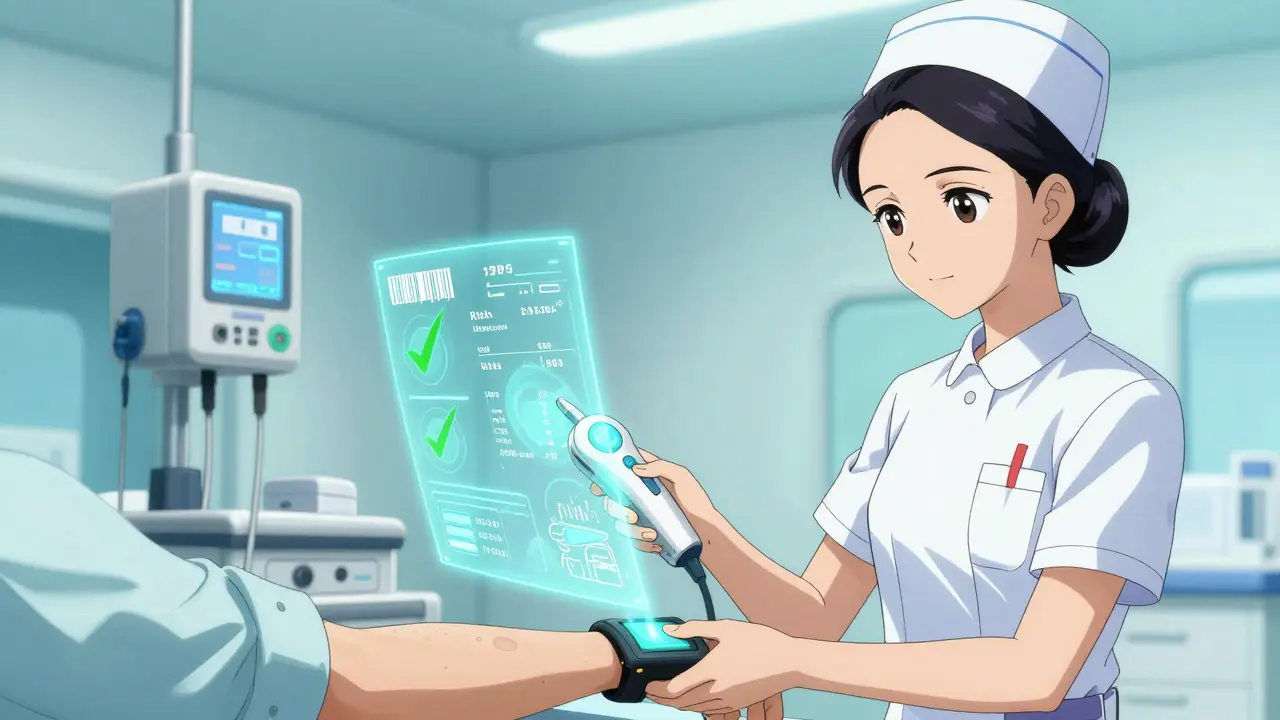
Bedside Barcode Scanning: This is becoming the preferred alternative to manual IDCs for many scenarios. Before administering a drug, the nurse scans the patient's wristband and the medication barcode. The computer instantly verifies the Five Rights. If the drug or dose is wrong, the scanner alarms. This removes human calculation error entirely.
Smart Infusion Pumps: Modern pumps have "drug libraries" built-in. You can't program a lethal dose of potassium because the pump won't accept the input unless you override it with a specific code and justification. This acts as a hard stop for errors.
Autoverification: In pharmacies, software can automatically verify routine orders by comparing them against historical data and clinical rules, freeing up pharmacists to focus on complex cases like chemotherapy or pediatric dosing.
The trend is clear: use technology for the routine, repetitive checks, and reserve manual IDCs for the truly complex situations where human judgment is irreplaceable-like preparing a custom chemotherapy mix or managing a critical care patient with unstable vitals.
Best Practices for Healthcare Teams
If you are working in healthcare, how do you navigate this landscape? Here are practical tips to ensure safety without burning out:
- Know Your Facility's List: Every hospital has a specific high-alert medication list. Post it in visible areas. Don't guess-if you're unsure, treat it as high-alert.
- Standardize Communication: Use closed-loop communication. Say, "I am calculating the heparin dose at 18 units per kilogram." Have the partner repeat back, "I calculated 18 units per kilogram." Avoid vague terms like "it looks right."
- Embrace the Pause: If you are tired, stressed, or interrupted, pause. High-alert med administration should never be rushed. If you need a break, ask for help.
- Report Near-Misses: If a double check caught an error, report it. This data helps the hospital improve its systems. If a check was skipped, admit it. Transparency saves lives.
- Trust Technology, But Verify: Even with barcode scanning, use your brain. If the scanner says "go" but the bag looks cloudy or the rate seems off, stop. Technology supports you; it doesn't replace your expertise.
Conclusion: Safety Is a Shared Responsibility
High-risk medications require extra verification procedures not because we distrust our staff, but because we respect the power of these drugs. The shift from manual double checks to integrated technology solutions reflects a mature understanding of human factors. We are moving away from blaming individuals for errors and toward building systems that prevent them.
Whether it's a nurse checking an insulin drip or a pharmacist verifying a chemo order, the goal remains the same: zero harm. By combining rigorous protocols, smart technology, and a culture of open communication, healthcare teams can keep patients safe even when the stakes are highest.
What are high-alert medications?
High-alert medications are drugs that carry a heightened risk of causing significant patient harm when used in error. Examples include insulin, opioids, heparin, chemotherapy agents, and concentrated electrolytes like potassium chloride.
What is an independent double check (IDC)?
An independent double check is a safety procedure where two qualified healthcare professionals independently verify a high-risk medication's dose, patient, and administration details before it is given. The second checker performs their own calculations without seeing the first checker's work to avoid bias.
Does The Joint Commission require double checks?
Yes, The Joint Commission mandates that organizations identify high-alert medications in writing and follow a process for managing them, which typically includes independent double checks or equivalent safety safeguards.
Are manual double checks still recommended?
Experts like the ISMP suggest using manual double checks selectively. They are less favored now due to issues with compliance and effectiveness. Technology like barcode scanning and smart pumps is increasingly preferred for routine verifications, while manual checks are reserved for complex scenarios.
Who can perform a double check?
Only qualified healthcare professionals such as registered nurses, pharmacists, physicians, or physician assistants can perform double checks. Certified nursing assistants generally cannot, as they may lack the necessary training for complex dose calculations.
Why is insulin considered a high-alert medication?
Insulin is high-alert because dosing errors can lead to rapid and severe hypoglycemia (low blood sugar), which can cause seizures, coma, or death. Doses often change frequently based on real-time blood glucose levels, increasing the risk of calculation mistakes.