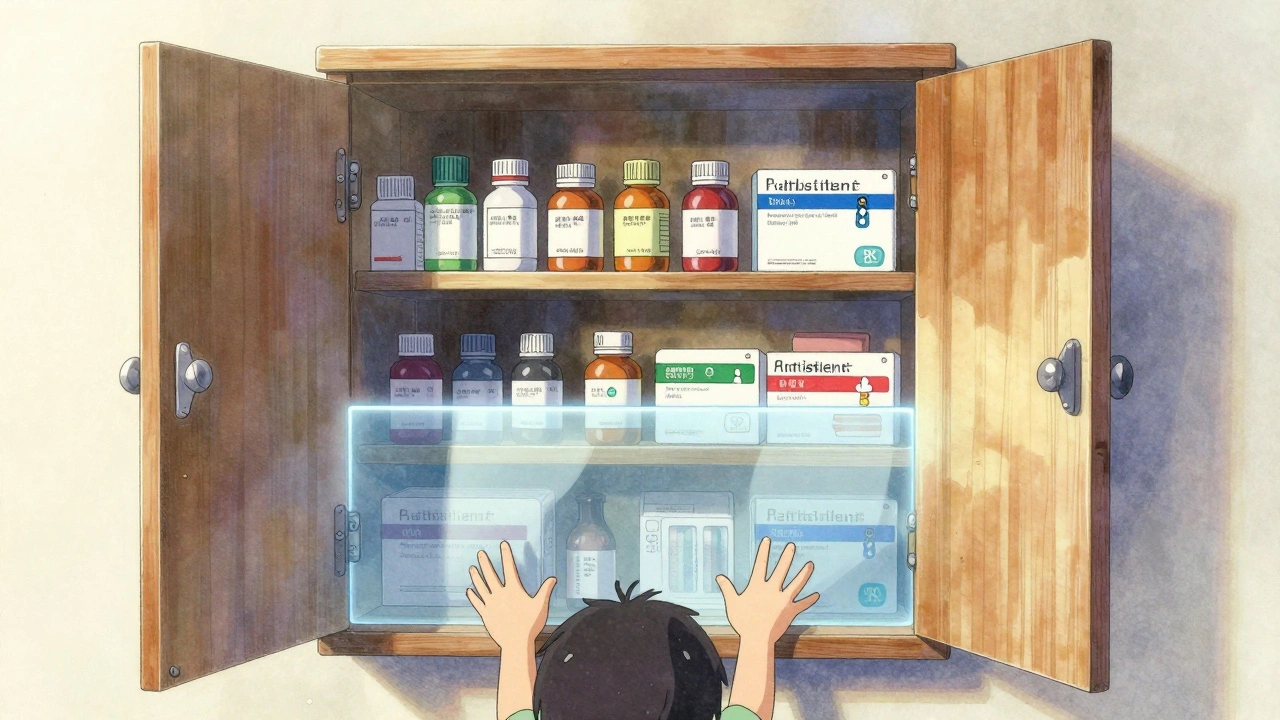
Every family has one - that cluttered cabinet above the sink, stuffed with old cough syrup, half-used painkillers, expired vitamins, and random bandages from five years ago. It’s easy to think, It’s just medicine. What’s the harm? But here’s the truth: OTC medicine cabinet clutter is one of the most dangerous things in many homes, especially when kids, teens, or visitors are around. Every year in the U.S. alone, over 60,000 children under five end up in the emergency room after swallowing something they shouldn’t have. And it’s not just kids - teens are grabbing pills from the same cabinet for fun, and visitors might accidentally take the wrong thing. The good news? Building a safe, smart OTC medicine cabinet isn’t hard. It just takes a few smart moves.
Stop Storing Medicine in the Bathroom
The bathroom is the most common place families keep their medicine. It’s convenient. It’s right next to the sink. But it’s also the worst place for it. Moisture from showers and baths doesn’t just make your toothbrush soggy - it ruins medicine. According to Cone Health’s Pharmacy Supervisor Melonie Crews-Foye, humidity can cause pills to crumble, liquids to break down, and creams to lose potency. Some medications become ineffective. Others can turn toxic. The American College of Emergency Physicians and the American Academy of Pediatrics both agree: move your medicine out of the bathroom.Find a dry, cool spot instead. A high cabinet in the bedroom, linen closet, or even a hallway closet works best. Make sure it’s at least four feet off the ground. That’s not just a suggestion - it’s the minimum height recommended by ADT’s 2023 safety guidelines to keep little hands from reaching it. And if your cabinet has glass doors? Put the medicine inside a closed drawer or box. Light can also degrade pills. About 73% of common medications are sensitive to light, according to the Journal of Pharmaceutical Sciences. Keep everything in the dark.
Lock It Down - Even If You Think Your Kids Can’t Get In
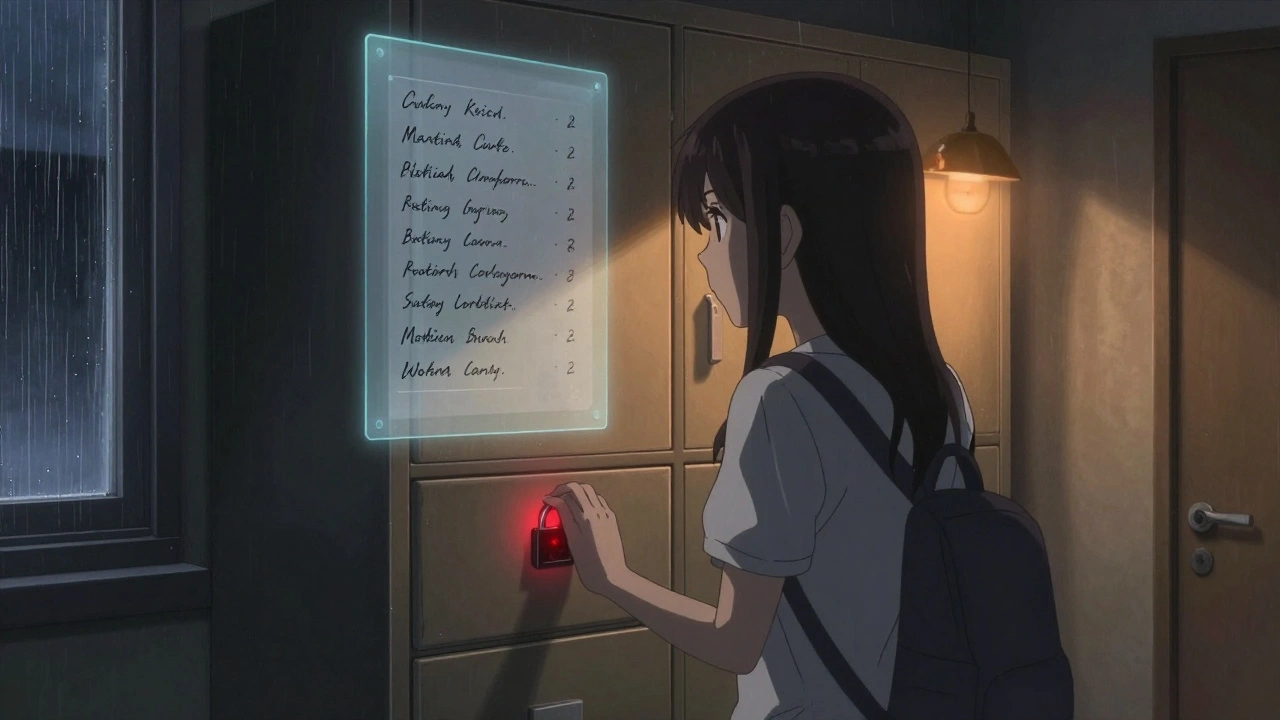
You might think your toddler isn’t climbing yet. Or that your five-year-old wouldn’t figure out how to twist off a bottle cap. Think again. A 2021 Johns Hopkins study found that 42% of children between four and five can open standard child-safety caps in under ten minutes. That’s not a flaw in the cap - it’s a flaw in assuming they’re foolproof.Child-safety caps are a start, not a solution. You need layers. If your cabinet doesn’t lock, install a childproof lock. These are cheap, easy to install, and don’t require drilling. ADT recommends them for any cabinet that’s not already secure. For extra safety, use a locked drawer inside the cabinet. If you have prescription painkillers or ADHD meds in the house, those should go in a separate locked box - even if it’s just a small combination safe. The Hanley Foundation found that 54% of teens who misuse prescription drugs get them from their own home. That’s not a myth. That’s data.
Sort, Toss, and Track - Don’t Just Stack
Start with a clean slate. Empty the whole cabinet. Lay everything out on the table. Now sort it into three piles: Keep, Discard, and Questionable.Anything past its expiration date? Toss it. The FDA says most OTC meds lose effectiveness after one year past the date. But it’s worse than that. Expired antibiotics can cause serious reactions. Old liquid cough syrup can grow bacteria. Vitamins? They don’t just stop working - they can turn into something harmful. Melonie Crews-Foye says it plainly: “If they are expired, get rid of them. They can do more harm than good.”
Keep only what you use regularly. That means: pain relievers (acetaminophen, ibuprofen), antihistamines, antacids, hydrocortisone cream, thermometers, bandages, and a basic first aid kit. Anything you haven’t touched in over a year? Out. Even if it looks fine. Don’t keep “just in case” meds. That’s how clutter builds.
Now, organize what’s left. Group by use: cold & flu, pain, skin, allergy. Keep each type in its original container. That’s non-negotiable. Labels have dosing info, expiration dates, and warnings. If you’ve moved pills into a pill organizer, keep the original bottle nearby. And write down everything you keep on a simple list. Include names, doses, and why you’re keeping it. Keep that list in your phone and wallet. It’s critical if you ever need to tell a doctor or poison control what’s in your cabinet.
Dispose of Old Medicine the Right Way
Never flush pills down the toilet. Never throw them in the trash without mixing them with something unappetizing. The DEA and FDA both warn that improper disposal leads to environmental contamination and increases the risk of theft.Here’s what works: take them to a pharmacy drop-off. CVS, Walgreens, and most major U.S. pharmacies now have free disposal kiosks. You don’t need a receipt. You don’t need to be a customer. Just drop the bottle in. In 2023, the DEA’s National Prescription Drug Take Back Day collected over a million pounds of unused meds. That’s real impact.
If you can’t get to a pharmacy, use DisposeRX powder. It’s free. Many pharmacies give it out when you fill an opioid prescription. Just pour it into the bottle with your pills, add water, shake, and toss the whole thing in the trash. The powder turns the pills into a gel that can’t be pulled out or abused. It’s safe, simple, and effective.
Teach Everyone in the House - Even the Teens
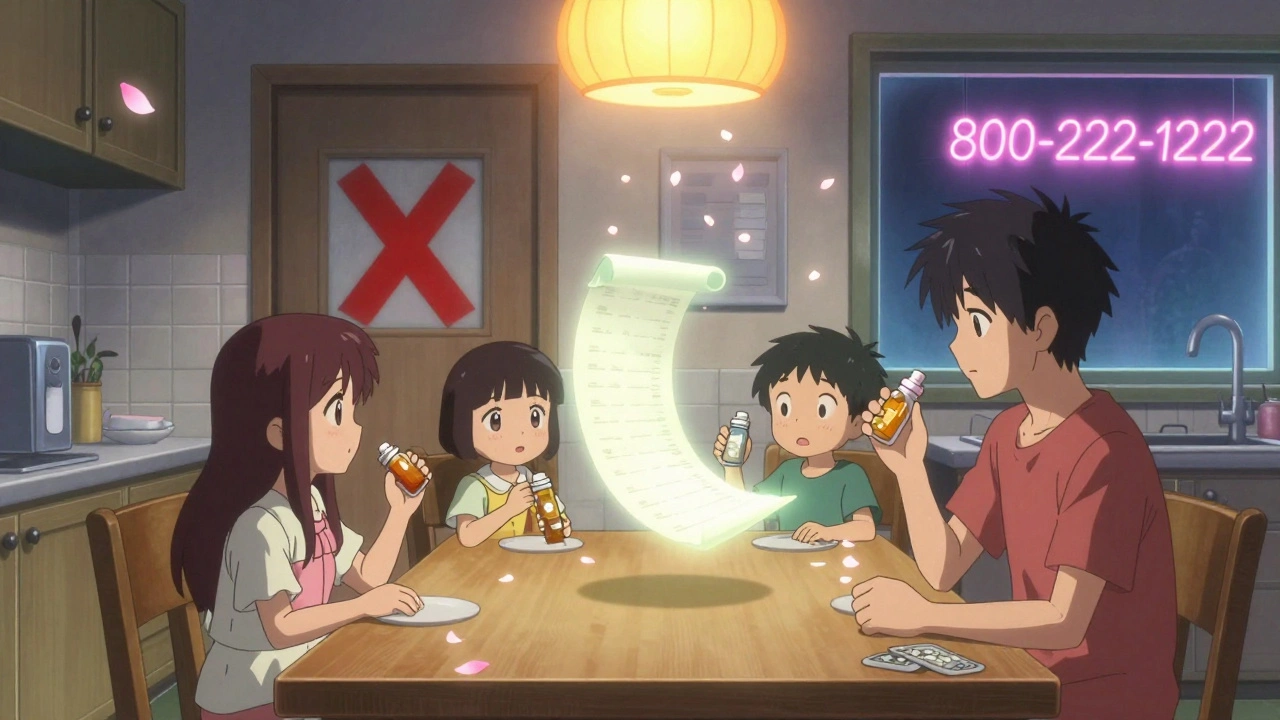
Kids aren’t the only ones who need to understand this. Teens are the biggest risk group for intentional misuse. And if they know where the meds are, and that no one’s checking, they’ll take them. That’s not rebellion - it’s access.Have a family talk. Not a lecture. A real conversation. Say: “These aren’t candy. These are medicines. Taking someone else’s pills can make you sick - or worse.” Explain why you lock the cabinet. Show them the list. Let them know they can ask for help if they’re feeling unwell. Don’t make it scary. Make it normal.
And don’t forget visitors. If you have friends over, kids staying overnight, or even a house cleaner coming in, your cabinet is a target. The DEA reports home medicine theft rose 27% between 2019 and 2023. That’s not paranoia. That’s reality. Keep your cabinet locked even when you’re home. And if you’re hosting, put your meds away before guests arrive.
Check It Twice - Every Six Months
A safe medicine cabinet isn’t a set-it-and-forget-it thing. It needs maintenance. Set a reminder on your phone: every April and October, do a quick check.Look at every bottle. Is the date expired? Is the cap loose? Is the liquid cloudy? Did you forget you even bought that cough syrup last winter? Toss anything that looks off. Update your list. If you’ve used up a bottle, cross it off. If you bought a new one, add it. This takes ten minutes. But it’s the difference between safety and disaster.
Some families even use smart devices now - small locks that send a text alert if someone opens the cabinet. Adoption has jumped 300% since 2020. It’s not necessary, but if you’ve had a close call before, it’s worth considering.
Know the Emergency Number - And Post It Everywhere
No matter how careful you are, accidents happen. That’s why every home needs one thing: the Poison Help number. It’s 800-222-1222. Free. Confidential. Available 24/7. Call it even if you’re not sure. Even if you think it’s nothing. Poison control specialists are trained to tell you whether it’s an emergency or not. They’ve seen it all.Write it on a sticky note. Put it on the fridge. Save it in your phone under “Emergency.” Tell your babysitter, your in-laws, your teen’s friend who stays over. Make sure everyone knows it. And if you have a landline, program it in as a speed dial. In a crisis, seconds matter.
Building a safe OTC medicine cabinet isn’t about perfection. It’s about reducing risk. It’s about knowing what’s in your home and who might reach for it. It’s about choosing safety over convenience - even when it’s annoying. And if you do this right, you won’t just protect your kids. You’ll protect your whole family.
Doug Hawk
December 3, 2025 AT 03:00So many people don’t realize humidity ruins meds-bathroom storage is a silent killer. I used to keep everything there till my grandma’s blood pressure pills turned to dust. Now they’re in a locked drawer in the bedroom. Simple fix, huge difference.
Also, the 73% light sensitivity stat? Real. My sister’s antidepressants went sideways after sitting on a sunny windowsill for months. No one told her.
Locks aren’t optional. Not even close.
Genesis Rubi
December 4, 2025 AT 16:50OMG finally someone says it-bathrooms are germ farms AND medicine graveyards. I used to think ‘it’s just aspirin’ but then my 3yo got into my expired melatonin and spent 12 hours in ER. Now everything’s in a safe. Even my f*cking ibuprofen. Worth it.
Also stop telling me ‘kids won’t open it’-they will. They’re tiny little ninjas.
Michael Campbell
December 5, 2025 AT 12:36They’re watching you. Always. Even when you think they’re not. That cabinet? It’s a target. The government knows. The pharmaceutical companies know. They want you to think you’re safe. You’re not.
Victoria Graci
December 5, 2025 AT 17:18It’s wild how we treat medicine like pantry items-stack it, forget it, hope it works. But pills aren’t canned beans. They’re chemical time bombs with expiration dates written in invisible ink. We’ve normalized neglect until a child’s liver fails.
Locking it isn’t paranoia. It’s love with boundaries.
And that poison control number? I’ve got it on my fridge, my phone lock screen, and my kid’s booster seat. Because if you’re not prepared for the worst, you’re just gambling with their life.
Kristen Yates
December 5, 2025 AT 18:24My mom used to keep all her meds in a shoebox under the sink. I didn’t realize until I was 22 that half of them were expired. We threw out 17 bottles that day. Never looked back.
Saurabh Tiwari
December 6, 2025 AT 05:45Love this! 🙌 In India we keep everything in the kitchen cupboard-no lock, no care. But after my cousin’s kid took his dad’s painkillers last year… yeah. Changed everything. Now we have a locked box. Simple. Smart.
Also-DisposeRX is a game changer. Got it free from my local pharmacy. No more flushing 💩
Fern Marder
December 8, 2025 AT 03:00Ugh I’m so tired of people acting like ‘it’s just OTC’ like it’s candy. My neighbor’s 14yo died from mixing NyQuil and Adderall. Found in his room. Bottle was still half full. From his own house.
Lock it. Or don’t. But don’t pretend it’s not dangerous.
Carolyn Woodard
December 9, 2025 AT 11:29There’s a cognitive dissonance here: we treat OTC meds as harmless because they’re ‘over the counter,’ yet we lock up our firearms. The logic is inverted. Medications have pharmacokinetics, metabolic pathways, drug interactions-these aren’t trivial substances. Their degradation under thermal and photolytic stress is well-documented in pharmacopeial literature. If you’re not storing them in a climate-controlled, light-sealed, child-resistant container with documented inventory, you’re not managing risk-you’re delaying catastrophe.
John Morrow
December 9, 2025 AT 23:00Let’s be honest-this entire piece is performative safety theater. You think locking a cabinet stops teens? They’ll crack open the drawer, find the pills, and still take them. The real problem is the cultural normalization of pharmaceutical dependency. We medicate anxiety, sleeplessness, sadness, boredom. Then we act shocked when kids treat pills like candy. The cabinet isn’t the issue. The entire medical-industrial complex is. But no one wants to talk about that. So we lock drawers instead. Safe. Convenient. Empty.
Allan maniero
December 10, 2025 AT 00:23I’ve lived in three countries and seen how this varies wildly. In the UK, we just leave meds on the counter-no locks, no fuss. In the US, it’s a fortress. In India, it’s a shared cupboard. But the core truth? Access breeds misuse. Doesn’t matter where you are. The solution isn’t just physical security-it’s education. Teach kids early: pills aren’t toys. They’re tools. And tools can hurt if you don’t know how to use them. I’ve started doing ‘medicine safety talks’ with my nieces and nephews. No lectures. Just facts. And now they ask before touching anything. That’s the win.
ruiqing Jane
December 11, 2025 AT 08:45Just added the poison control number to my phone’s emergency contacts. Also printed it and taped it to the inside of my medicine cabinet door. My husband laughed. I didn’t. Because if something happens, I don’t want him fumbling for a number. I want him to know exactly where to look. And if you’re not doing this for your kids? Do it for the person who finds them.
Saravanan Sathyanandha
December 12, 2025 AT 04:35Beautifully articulated. In my village in India, we used to give leftover antibiotics to neighbors-‘It’s the same pill, right?’ But after a child had a severe allergic reaction, we held a community meeting. Now every household has a labeled box, and we bring expired meds to the pharmacy monthly. Small change. Big impact. Thank you for reminding us that safety is not a privilege-it’s a practice.