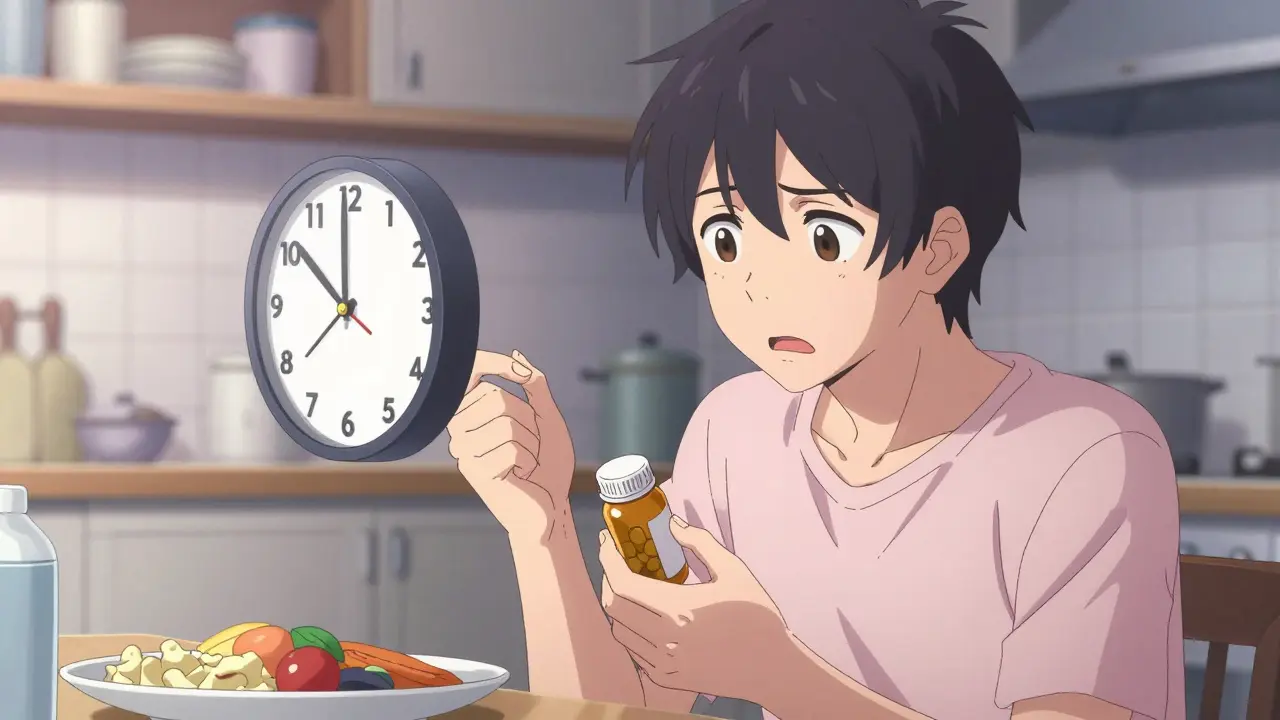
Meglitinide Dosing Safety Timer
Simulate Your Routine
Use this tool to understand the strict timing required for meglitinides. The drug requires precise coordination with food.
Enter your medication time and planned meal time above to see if you fall within the safe therapeutic window.
Skipping breakfast because you’re not hungry sounds harmless. But if you are taking meglitinides, a class of short-acting insulin secretagogues used to manage postprandial hyperglycemia in type 2 diabetes, that skipped meal could send your blood sugar crashing into dangerous territory. These drugs are designed for flexibility, but they demand strict discipline. The irony is stark: the very feature that makes them attractive-rapid action tied to meals-is what creates a severe risk of low blood sugar when your eating schedule slips.
You might have been prescribed repaglinide or nateglinide because your doctor wanted to target those sharp glucose spikes after eating without the long-lasting effects of older medications. It’s a smart strategy on paper. However, understanding how these drugs work inside your body is the only way to stay safe. This isn’t just about taking a pill; it’s about timing your life around a narrow therapeutic window.
How Meglitinides Work Differently
To understand the danger, you first need to see how meglitinides differ from other diabetes treatments like sulfonylureas (e.g., glipizide) or metformin. Most people know that insulin lowers blood sugar. What they often miss is the speed at which different drugs trigger its release.
Meglitinides bind directly to specific receptors on your pancreatic beta cells. Specifically, they close ATP-dependent potassium channels, causing the cell to depolarize and release insulin within minutes. Nateglinide starts working in as little as one minute, while repaglinide takes three to five minutes. Their peak effect hits within an hour, and they are mostly out of your system in two to four hours.
| Medication Class | Onset of Action | Duration | Hypoglycemia Trigger |
|---|---|---|---|
| Meglitinides (Repaglinide/Nateglinide) | 15-30 mins | 2-4 hours | Skip a meal immediately after dosing |
| Sulfonylureas (Glipizide) | 1-2 hours | 12-24 hours | Constant risk due to long duration |
| Metformin | Variable | All day | Very low risk of hypoglycemia |
| GLP-1 Agonists | Hours to days | Daily/Weekly | Low risk unless combined with insulin |
This rapid "hit-and-run" profile means meglitinides are useless if you don’t eat. If you take the drug and then get stuck in traffic, run late for work, or simply lose your appetite, your body has flooded itself with insulin but received no fuel. That mismatch causes hypoglycemia. Unlike sulfonylureas, which keep pushing insulin for up to 24 hours regardless of what you do, meglitinides only pose this acute threat during their short active window. But that window is unforgiving.
The Hidden Danger of Irregular Schedules
Doctors often prescribe meglitinides to patients with unpredictable lives. Maybe you work night shifts, travel frequently, or have a condition that affects your appetite. The promise is flexibility: "Take it with meals." The reality is stricter: "Take it 15 minutes before meals, and ensure you eat within 30 minutes." Clinical data paints a clear picture of the risks involved. Studies show that skipping just one meal after taking a meglitinide increases your risk of hypoglycemia by 3.7 times compared to consistent eating patterns. Your blood glucose can drop below 70 mg/dL within 90 minutes of dosing if food doesn't arrive. The problem is compounded by modern life's distractions. You might plan to eat lunch at noon, take your medication, and then get pulled into a meeting. By the time you remember, it’s 1:30 PM. In that gap, your insulin levels are peaking, but your stomach is empty. This is the exact scenario that leads to emergency room visits for severe hypoglycemia.

Who Is Most at Risk?
Not everyone faces the same level of danger. Certain groups need to be extra vigilant because their bodies handle these drugs differently or because their lifestyles make consistency harder.
- Older Adults: Age brings changes in metabolism and kidney function. The American Diabetes Association notes that older adults face compounded risks due to irregular meal intake and potential cognitive issues that affect routine adherence. A missed meal is more likely, and the physical toll of low blood sugar-like falls or confusion-is more severe.
- Patient with Kidney Disease: While repaglinide is safer than some other drugs for those with renal impairment because it is processed by the liver, advanced chronic kidney disease still increases hypoglycemia risk by 2.4 times. Clearance slows down, keeping the drug in your system longer than expected.
- Those on Combination Therapy: If you take meglitinides alongside insulin or sulfonylureas, the risks multiply. Adding another agent that stimulates insulin secretion creates an additive effect. One study found that combining meglitinides with insulin significantly raises the statistical likelihood of hypoglycemic events.
If you fall into any of these categories, the margin for error shrinks dramatically. You cannot rely on "feeling fine" to guide you. You need hard rules.
Practical Strategies to Stay Safe
Living with meglitinides requires a shift in mindset. You aren’t just managing a disease; you are managing a clock. Here is how to align your lifestyle with your medication’s pharmacokinetics.
- The 15-Minute Rule: Take your dose exactly 15 minutes before you start eating. Do not take it right before you sit down, and certainly not after you’ve started. This gives the drug time to begin triggering insulin release so it matches the arrival of glucose from your food.
- The "Dose-to-Eat" Protocol: If you are unsure whether you will eat within the next 30 minutes, do not take the medication. This is crucial for erratic schedules. If you skip the dose, you avoid the crash. If you take it and skip the meal, you invite danger.
- Consistent Carbohydrates: Try to keep the carbohydrate content of your meals relatively stable. Large swings in carb intake can confuse the fixed dose of insulin secreted by the drug. If you plan a high-carb meal, discuss dosage adjustments with your doctor beforehand.
- Carry Fast-Acting Glucose: Always have glucose tablets, juice boxes, or candy nearby. If you feel shaky, sweaty, or confused, treat it immediately. Do not wait to see if it passes.
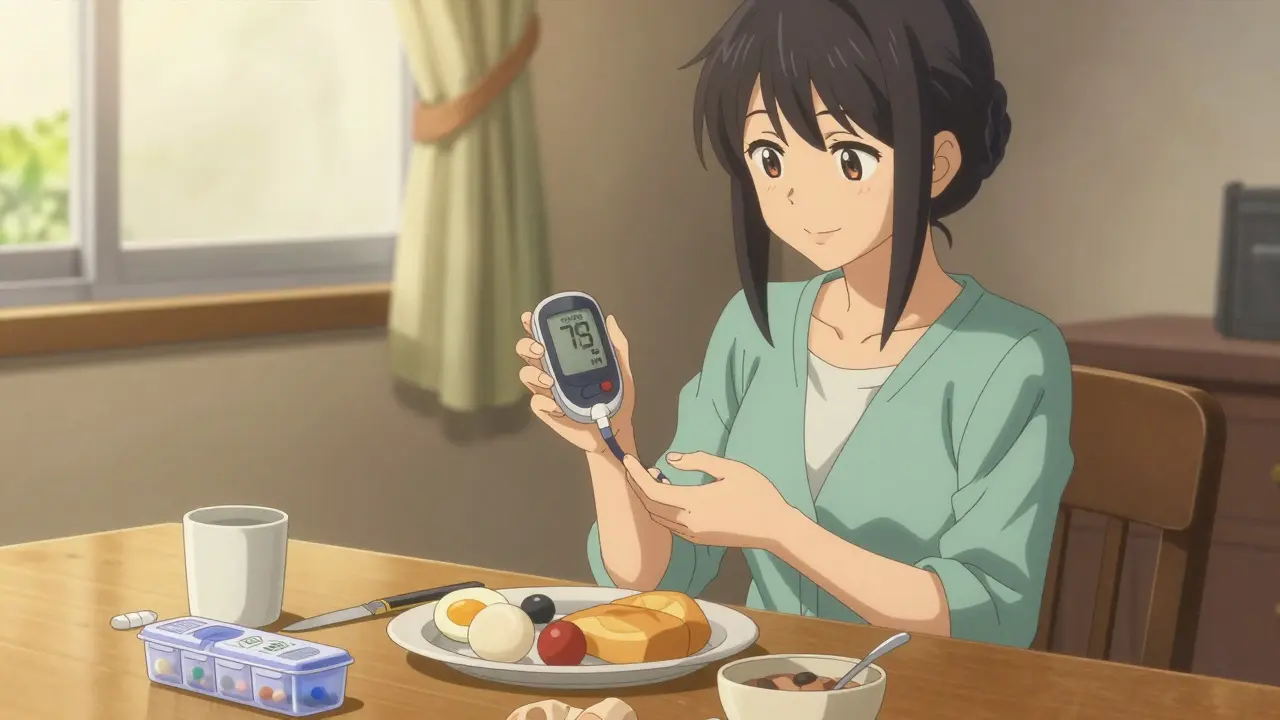
Technology can also help. Continuous glucose monitors (CGMs) have been shown to reduce hypoglycemia episodes by 57% in users with irregular eating patterns. They provide real-time alerts when your sugar is dropping, giving you a heads-up before symptoms hit. For many, this visual feedback loop is the difference between a scare and a crisis.
Comparing Alternatives
If you find the strict timing of meglitinides too burdensome, you are not alone. Many patients struggle with the mental load of coordinating every bite with a pill. It is worth discussing alternatives with your healthcare provider.
Newer classes of drugs, such as GLP-1 receptor agonists (like semaglutide or liraglutide), offer weight loss benefits and lower blood sugar with a much lower risk of hypoglycemia. They work independently of meal timing in most cases. Similarly, SGLT2 inhibitors remove excess glucose through urine rather than stimulating insulin, making them safer for those who forget meals. However, these alternatives may not be suitable for everyone due to cost, side effects, or specific health conditions. Repaglinide remains a vital option for those with significant renal impairment where other drugs are contraindicated.
The key is finding a regimen that fits your actual life, not your idealized version of it. If your life is chaotic, a drug requiring precision might be the wrong tool. If your life is structured but your appetite varies, meglitinides might be perfect.
When to Seek Help
Hypoglycemia is not just an inconvenience; it is a medical emergency. Mild symptoms include trembling, sweating, hunger, and irritability. Severe symptoms involve confusion, slurred speech, seizures, or unconsciousness. If you experience severe hypoglycemia, someone needs to administer glucagon and call emergency services immediately.
If you find yourself having frequent low blood sugar episodes despite following the rules, do not adjust your dose on your own. Contact your doctor. You may need a lower dose, a change in medication, or a review of your diet. Remember, the goal of diabetes management is stability, not perfection. Safety always comes first.
Can I take meglitinides if I skip breakfast?
No. You should never take a meglitinide dose if you are not planning to eat within 15 to 30 minutes. Taking the medication without food will likely cause your blood sugar to drop dangerously low because the drug triggers insulin release that has no corresponding glucose from food to balance it.
What is the difference between repaglinide and nateglinide?
Both are meglitinides, but nateglinide acts slightly faster (within 1 minute) and has a shorter half-life (1.5 hours) compared to repaglinide (3-5 minutes onset, 1-1.5 hours half-life). Repaglinide tends to be slightly more effective at lowering HbA1c but carries a higher incidence of hypoglycemia. Repaglinide is also preferred for patients with kidney issues as it is metabolized by the liver.
Are meglitinides safe for people with kidney disease?
Repaglinide is generally considered safer than sulfonylureas for patients with renal impairment because it is cleared by the liver. However, patients with advanced chronic kidney disease still face a higher risk of hypoglycemia and require careful dose monitoring and adjustment by their healthcare provider.
How quickly do meglitinides start working?
They work very rapidly. Nateglinide begins inhibiting potassium channels within one minute, and repaglinide within three to five minutes. Peak plasma concentrations are reached within one hour for both, which is why they must be taken shortly before meals.
What should I do if I accidentally take my dose and then skip a meal?
If you realize you have taken your medication but cannot eat, consume a small snack containing carbohydrates immediately to prevent hypoglycemia. Monitor your blood sugar closely for the next few hours. If you experience symptoms of low blood sugar, treat it with fast-acting glucose sources like juice or glucose tablets.