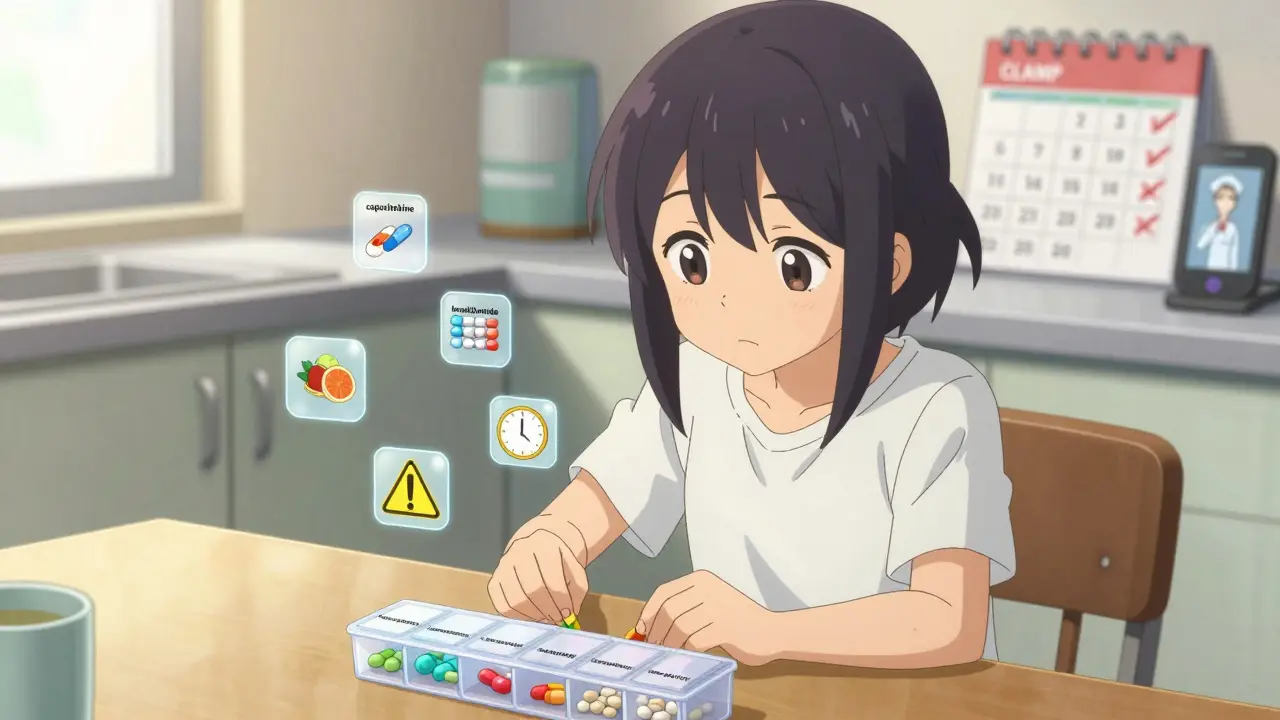
When you think of chemotherapy, you probably picture a hospital room, an IV drip, and nurses monitoring every step. But today, more than half of new cancer drugs are taken by mouth-pills or liquids you swallow at home. Oral chemotherapy is changing how people fight cancer. It means fewer trips to the clinic, less time away from work or family, and more control over your daily life. But this convenience comes with serious risks. If you don’t take it right, it won’t work. If you take it wrong, it could hurt you. And many people don’t realize how easy it is to mess up.
How Oral Chemotherapy Works
Oral chemotherapy drugs work the same way as IV chemo: they kill fast-growing cancer cells. But instead of going straight into your bloodstream through a needle, they pass through your stomach and liver before entering your blood. That means your body has to absorb them properly, and that’s where things get tricky.
There are four main types of oral chemo drugs, each with different rules:
- Alkylating agents like cyclophosphamide damage DNA directly. They’re used for breast, ovarian, and lymphoma cancers. Side effects? Low blood counts, nausea, and hair loss.
- Antimetabolites like capecitabine mimic building blocks cancer cells need to grow. They trick the cells into using fake parts, which breaks their ability to multiply. Hand-foot syndrome (red, painful palms and soles) is common here.
- Topoisomerase inhibitors like topotecan stop enzymes that untangle DNA during cell division. If those enzymes fail, the cell can’t split. These often cause diarrhea and low white blood cells.
- Mitotic inhibitors like vinca alkaloids freeze the machinery that pulls cells apart during division. They’re used for lung and testicular cancers. Nerve pain and low blood counts are typical.
Newer targeted drugs-like imatinib (Gleevec), dasatinib, or lenalidomide-go even further. They lock onto specific proteins inside cancer cells, like a key in a lock. These are often more precise, with fewer side effects than older chemo. But they bring their own problems: high blood pressure, skin rashes, or liver stress.
Each drug has its own bioavailability-how much actually gets into your system. Capecitabine? About 90%. Etoposide? Only 10%. That’s why timing, food, and even what else you take matters so much.
Why Adherence Is So Hard (And So Critical)
Studies show only 55% to 75% of people take their oral chemo exactly as prescribed. That’s a huge gap. For IV chemo, nurses give the dose. For oral chemo, you’re in charge. And that’s where things fall apart.
Take capecitabine. You have to take it twice a day for 14 days, then stop for 7 days. Miss one pill? You might not notice. Skip a day? The drug level in your blood drops. That lets cancer cells regroup. A 2022 study found patients who missed even 10% of doses had a 40% higher risk of cancer progression.
Why do people miss doses? Three big reasons:
- Complex schedules-some drugs need to be taken on an empty stomach, others with food. Nilotinib? Must be taken 2 hours before or after eating. If you snack at 10 p.m., you might miss your night dose.
- Side effects-if you get diarrhea or mouth sores, you might skip the next dose to “rest your body.” But that’s not how it works. Stopping chemo without telling your doctor lets cancer grow.
- Forgetfulness-if you’re on five different pills, including painkillers, blood pressure meds, and supplements, it’s easy to lose track.
Research from Dana-Farber Cancer Institute shows that when patients get structured support-like a pill organizer with labeled compartments, weekly check-in calls, and visual calendars-their adherence jumps from 58% to 82%. That’s not luck. It’s system design.
Safety Risks You Can’t Ignore
Oral chemo isn’t like taking a vitamin. One mistake can be deadly.
Here’s what you absolutely must know:
- Storage: Most oral chemo must be kept at room temperature (20-25°C). Don’t leave them in the car. Don’t store them in the bathroom-humidity ruins them. Some need refrigeration. Always check the label.
- Disposal: Never flush pills or throw them in the trash. Use FDA-approved medication disposal bags (they neutralize the drug). These are often provided by your pharmacy. If you don’t have one, ask. Improper disposal risks contamination and accidental exposure to others.
- Drug interactions: This is where things get dangerous. Many oral chemo drugs are broken down by the CYP3A4 enzyme in your liver. If you take something that blocks this enzyme-like ketoconazole (an antifungal), grapefruit juice, or even some antibiotics-your chemo levels can spike. Lapatinib levels can jump 325%. That’s toxic.
- Antacids and PPIs: Drugs like omeprazole or Tums can cut absorption of capecitabine by 30-50%. You must wait two hours before and after taking chemo to use them. If you’re on acid reflux meds long-term, talk to your oncologist. There might be alternatives.
Forty-two percent of serious side effects from oral chemo come from mistakes like these-not the drug itself. A 2023 ACCC report found that 68% of medication errors were due to poor education, not provider mistakes. That means if you weren’t taught how to take it, you’re at risk.
Common Side Effects and What to Do
Side effects vary by drug, but here’s what you’re likely to see:
- Myelosuppression: Low white blood cells, red blood cells, or platelets. This is common with alkylating agents and targeted drugs like dasatinib. Symptoms? Fatigue, dizziness, frequent infections, easy bruising. Your team will check your blood every week for the first month. Don’t skip these.
- Hand-foot syndrome: Redness, swelling, tingling, or peeling on palms and soles. Happens in over half of people on capecitabine. Keep skin moisturized. Avoid hot water, tight shoes, and heavy pressure. If it gets worse, call your doctor-dose adjustments can help.
- Diarrhea and mucositis: Diarrhea from topoisomerase inhibitors can be severe. Don’t wait to treat it. Use over-the-counter loperamide only if your team says it’s safe. Mucositis (mouth sores) is painful. Rinse with saltwater or baking soda solution. Avoid alcohol-based mouthwashes.
- Hepatotoxicity: Liver enzymes can rise in 15-25% of patients. You’ll get blood tests before each cycle. If your liver values jump too high, your dose will be paused or lowered.
- Unique targeted drug effects: VEGF inhibitors (like sunitinib) can cause high blood pressure. EGFR inhibitors (like erlotinib) cause acne-like rashes on the face and chest. These aren’t “just a side effect”-they’re signs the drug is working. But they need management.
Don’t try to tough it out. Call your oncology nurse the moment a side effect starts. There are safe ways to manage most of these. Waiting until it’s unbearable can delay treatment or force hospitalization.
What Good Support Looks Like
At accredited cancer centers, oral chemotherapy isn’t just handed to you with a prescription. It’s managed.
The National Comprehensive Cancer Network now requires all centers to have a full oral chemo program. That includes:
- A 45-minute education session before you leave the clinic-no shortcuts.
- Written instructions with pictures (not just text).
- A pill organizer with your exact schedule.
- Follow-up calls on days 3, 7, and 14 of each cycle.
- Pharmacy refill tracking to catch missed doses early.
- A direct line to a pharmacist or nurse for questions-no voicemail.
One patient in Manchester, on a regimen of lenalidomide and dexamethasone, missed two doses because she thought her fatigue meant she was “getting better.” Her nurse caught it during a routine call. They adjusted her dose, gave her a new pill box, and set up daily text reminders. She stayed on track for six months. That’s the difference.
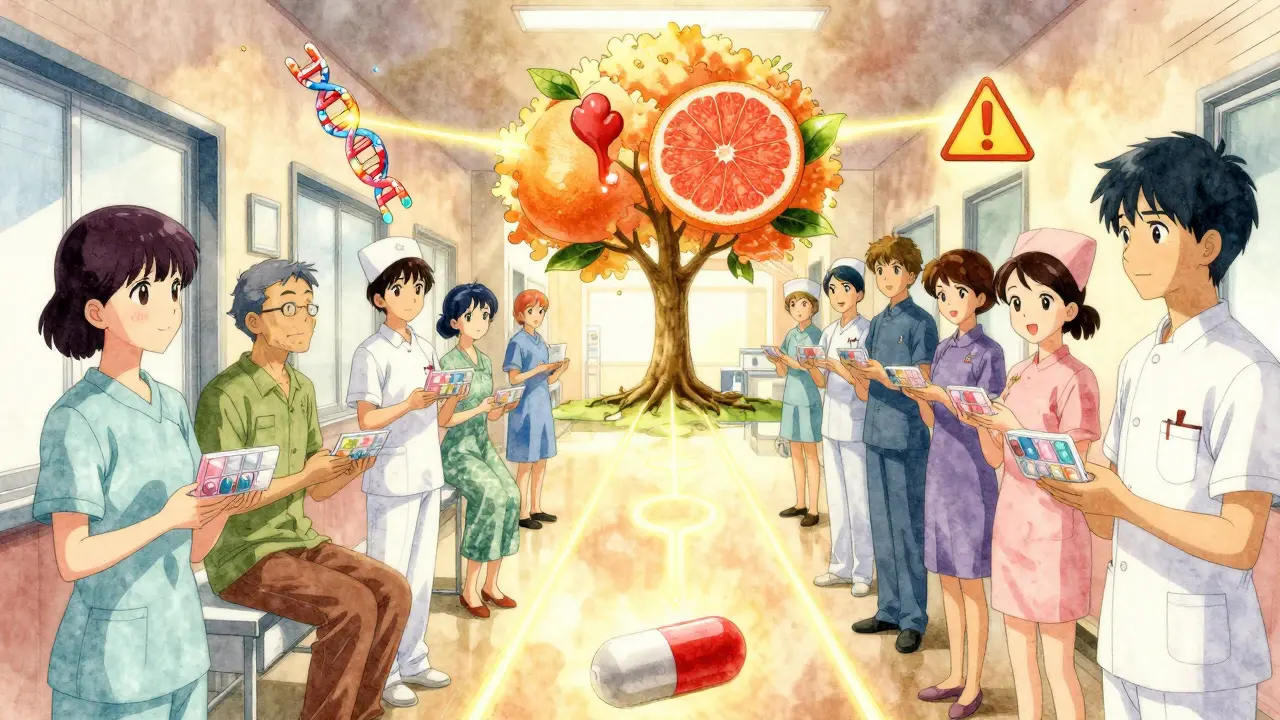
What’s Next? Technology and Personalization
The field is changing fast. New tools are making it easier to stay on track:
- Smart pill bottles: Bluetooth-enabled caps that log when opened and send alerts if you miss a dose. In trials, they boosted adherence to 92%.
- Ingestible sensors: Tiny chips in pills that send a signal to a patch on your skin when swallowed. Used in the Proteus Discover system-FDA-approved since 2021.
- Genetic testing: Before starting fluoropyrimidine drugs (like capecitabine), labs test for DPYD gene mutations. If you have them, you’re at high risk for deadly toxicity. Testing cuts severe side effects by 72%.
- AI predictors: Systems that analyze your refill patterns, symptom logs, and even voice tone during calls to predict who’s likely to drop off. Early tools are already helping clinics intervene before problems start.
By 2025, nearly half of all cancer drug spending will be on oral treatments. That’s not going away. The goal isn’t just to give you the pill-it’s to make sure you take it right.
Final Takeaways
- Oral chemotherapy gives freedom-but demands responsibility.
- Adherence isn’t optional. Missing doses lowers your chance of survival.
- Side effects aren’t always bad. Some mean the drug is working. But they still need to be managed.
- Drug interactions can be deadly. Always tell your team what else you’re taking-even herbal supplements.
- Ask for help. Use the tools your clinic offers: pill organizers, call-backs, pharmacy tracking.
- Don’t guess. If you’re unsure, call your oncology team. It’s better to ask five times than to risk one mistake.
Oral chemo isn’t easier than IV chemo. It’s different. And it demands a new kind of partnership-with your body, your schedule, and your care team.
Can I take oral chemotherapy with other medications?
Not without checking first. Many oral chemo drugs interact dangerously with common medications. Antibiotics, antifungals, acid reflux pills, and even some herbal supplements can make chemo less effective or too toxic. Always give your oncology team a full list of everything you take-including vitamins, CBD, and over-the-counter painkillers. Never start or stop anything without their approval.
What should I do if I miss a dose of oral chemo?
Don’t double up. Call your oncology team immediately. Missing one dose doesn’t mean you’ve ruined your treatment-but how you respond matters. Some drugs can be taken late with no issue. Others require a delay in the next dose. Your team will tell you exactly what to do based on the specific drug and your schedule. Never guess.
How do I know if my oral chemo is working?
You won’t feel it. Unlike IV chemo, where side effects are obvious, oral chemo often works quietly. The only way to know is through regular scans and blood tests. Don’t assume you’re doing well just because you feel okay. Stick to your monitoring schedule. If your doctor says your tumor markers are stable or shrinking, that’s the real sign it’s working.
Is oral chemotherapy cheaper than IV chemo?
It might seem cheaper because you avoid clinic visits, but the drug cost is often higher. Many oral chemo drugs cost thousands per month. Insurance coverage varies widely. Some plans require prior authorization or step therapy. Always check your out-of-pocket cost before starting. Ask your pharmacy or patient navigator for help with financial aid programs.
Can I travel or go on vacation while taking oral chemo?
Yes-but plan ahead. Carry your medication in its original labeled container. Bring extra pills in case of delays. Keep them cool in a travel cooler if needed. Ask your team for a letter explaining your treatment, especially if crossing borders. Never pack chemo in checked luggage. Keep it with you. Also, know where the nearest oncology center is at your destination, just in case.
Tobias Mösl
March 1, 2026 AT 15:28Let me get this straight - we’re handing cancer patients a pill like it’s a damn Advil and expecting them not to screw it up? I’ve seen people take chemo with grapefruit juice because they ‘like the taste.’ One guy swallowed his dose with a beer because ‘it helps the nausea.’ You think this is medicine? It’s a death wish with a prescription label. And don’t even get me started on storage - I’ve seen chemo bottles left in a hot car for three hours because ‘it’s just a pill.’ These aren’t vitamins. They’re chemical weapons. And we’re treating them like grocery list items.
Alex Brad
March 3, 2026 AT 00:17Adherence is everything. Missing doses isn’t a mistake - it’s a strategic error. Cancer doesn’t pause because you forgot. The data is clear: 10% missed = 40% higher progression risk. No excuses. If you can’t manage it, ask for help. Pill organizers, alarms, nurse calls - they exist for a reason.
Diane Croft
March 4, 2026 AT 18:40This is so important. I’ve seen too many people think oral chemo is ‘easier’ - it’s not. It’s just different. You’re still fighting a war - you’re just holding the rifle yourself now. Stay disciplined. Your body is counting on you.
Chris Beckman
March 5, 2026 AT 06:26so like if you miss a dose you just double up next time right? i mean its not like its poison or anything lol
Tobias Mösl
March 5, 2026 AT 16:23Oh wow, Chris - you’re the reason we need mandatory chemo education before people can legally own a toaster. Doubling up? You’re not fixing a missed dose - you’re turning your liver into a crime scene. If you think that’s smart, you’re the kind of guy who’d try to fix a flat tire with duct tape and a prayer. Stop Googling ‘chemo hacks’ and call your oncologist.
John Smith
March 6, 2026 AT 10:45Oral chemo? More like oral gamble. You got a 50/50 shot at survival if you’re lucky and smart - but most folks? They’re just winging it. I know a guy who took his meds with coffee because ‘it wakes me up.’ Next thing you know, his liver’s on vacation and his tumor’s throwing a party. This isn’t science - it’s a minefield with a pharmacy receipt.
Donna Zurick
March 7, 2026 AT 12:20Love the pill organizer tip. My mom started using one with color-coded compartments and her adherence jumped overnight. Simple tools make all the difference. No tech needed - just structure and consistency.
Ethan Zeeb
March 8, 2026 AT 03:49Smart pill bottles and ingestible sensors? That’s the future. But let’s be real - most patients don’t even get basic education. If your clinic hands you a pamphlet and says ‘good luck,’ they’re failing you. You need a system. Not a suggestion. A system.
Darren Torpey
March 9, 2026 AT 12:08They say oral chemo is cheaper - yeah, until you hit the $12K/month drug bill and your insurance says ‘nope.’ I’ve seen people skip doses because they can’t afford the next refill. This isn’t just about forgetting - it’s about poverty masquerading as medical advice. We need better access, not just better reminders.
Renee Jackson
March 10, 2026 AT 04:56Thank you for this comprehensive and vital overview. The emphasis on structured support systems - including weekly check-ins, visual calendars, and direct access to clinical staff - is not just helpful, it is essential. Every patient deserves this level of care. If your provider does not offer these services, advocate for them. Your life depends on it.