
The Silent Thief of Strength
Imagine finding out that the framework holding you up is becoming fragile without you noticing until it breaks. That is the reality for millions living with Osteoporosisa systemic skeletal disease characterized by low bone mass and deterioration of bone tissue microarchitecture. It is not just about feeling achy; it is about survival. Recent clinical guidelines from the NHS highlight a stark statistic: hip fractures carry a mortality rate of 20-24% within just 12 months of the injury. This condition affects approximately 200 million women globally, yet it remains misunderstood.
Your bones are not static pillars; they are living tissue constantly remodeling themselves. Every day, old bone cells die, and new ones form to replace them. Think of it like a bank account. For much of your life, you deposit more calcium and minerals than you withdraw. But after you reach your early thirties, the withdrawal rate starts creeping up. If you spend too fast, you go bankrupt-leading to porous, brittle bones that snap under stress.
Why Some People Lose Density Faster Than Others
Risk does not fall equally on everyone. Medical professionals categorize these risks into two distinct buckets: things you cannot change and those you have control over. Understanding which bucket your life fits into helps determine your strategy.
The Non-Modifiable Factors
- Age and Time: Your bone density peaks around age 30. After that, natural loss begins. By the time you hit 65, you are statistically 4.2 times more likely to suffer a fracture compared to someone in their forties.
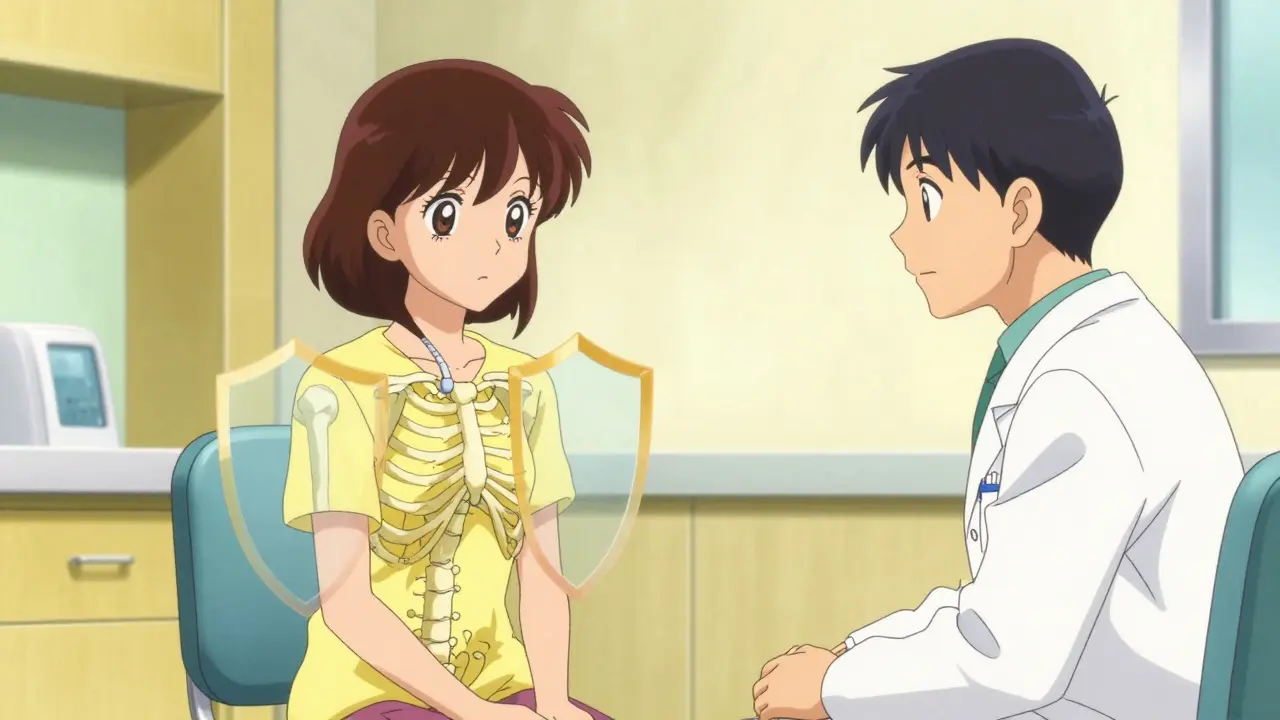
- Gender: Women face a biological disadvantage. Post-menopause, estrogen levels drop significantly. Estrogen acts as a shield for bone density. Without it, bone loss can accelerate to 2-3% annually during the first seven years after menopause, whereas men typically lose bone at a slower, steadier pace.
- Genetics: You cannot choose your parents, but knowing their history matters. If a parent suffered a hip fracture, your risk increases by up to 80%. Family history is one of the strongest predictors available.
- Ethnicity: Studies indicate that White and Asian populations generally face higher risks compared to Black or Hispanic groups due to differences in peak bone mass accumulation earlier in life.
The Modifiable Risks
Here is the good news: many factors contributing to bone loss are habits we can tweak. Smoking is particularly destructive; it impairs calcium absorption and messes with estrogen metabolism, raising fracture risk by 55%. Alcohol plays a role too. Drinking more than two units a day can increase the likelihood of a hip fracture by nearly half.
Nutrition is another critical lever. A lack of calcium in your daily diet is a primary driver. If you consume less than 1,000mg of calcium per day, your body borrows from your bones to keep your blood stable, effectively robbing Peter to pay Paul. Similarly, Vitamin Dessential for calcium absorption and bone metabolism deficiency affects over 40% of adults. Without enough Vitamin D, your gut cannot absorb the calcium you eat, regardless of how much cheese or leafy greens you eat.
Knowing Your Numbers: Testing and Diagnosis
You cannot manage what you do not measure. If you suspect you are at risk, ask your GP about a DEXA ScanDual-energy X-ray absorptiometry, a medical procedure that measures bone mineral density. This scan is the gold standard. It takes about 20 minutes and involves very low radiation exposure, roughly equivalent to three hours of natural background radiation.
The results come back as a T-score, which compares your bone density to that of a healthy 30-year-old. Here is how to read the report card:
- Normal: A score of -1.0 or higher indicates healthy bone density.
- Osteopenia: Scores between -1.0 and -2.5 suggest bone loss has started but is not severe enough to classify as full osteoporosis.
- Osteoporosis: A score of -2.5 or lower confirms the diagnosis. This means your bones are fragile and prone to breaking from minor falls.
While the DEXA scan shows density, doctors also use tools like FRAX to calculate risk. This algorithm combines your clinical history-such as whether you have fallen before-with your bone density score to predict your 10-year probability of a major fracture. A single prior fragility fracture doubles your risk of another, making your history as important as the scan itself.
Building a Fortress: Practical Prevention Strategies
Prevention is cheaper and safer than treatment. It requires a consistent routine rather than drastic changes overnight.
Exercise That Actually Works
Not all movement counts. Yoga is great for flexibility, but it won't strengthen your spine unless you add weight. To build bone, you need mechanical loading. This happens when muscles pull against bones or gravity pushes down on you. Aim for 30 to 45 minutes of weight-bearing activity five days a week. Brisk walking, jogging, or stair climbing forces your skeleton to adapt and strengthen. Additionally, include resistance training twice a week using weights or resistance bands to stimulate muscle growth, which further protects the bone.
Nutritional Foundation
Diet plays a massive role. Your goal is 1,000 to 1,200mg of calcium daily. Dairy products, fortified plant milks, and dark leafy greens like kale are excellent sources. However, absorption matters. Taking calcium supplements in doses larger than 500mg at once is inefficient because your body can only absorb that much at a time. Splitting the dose ensures better utilization. Pair this with 800 to 1000 IU of Vitamin D daily. If you live in northern latitudes like Manchester, winter sun may not be strong enough to synthesize Vitamin D naturally, making supplementation essential.
| Component | Target Amount | Primary Sources |
|---|---|---|
| Calcium | 1000-1200mg | Milk, yogurt, leafy greens, sardines |
| Vitamin D | 800-1000 IU | Sunlight, fatty fish, supplements |
| Protein | 1.0-1.2g/kg body weight | Lean meat, beans, eggs |
| Weight-bearing Exercise | 150 mins/week | Walking, dancing, lifting weights |

Treatment Options When Lifestyle Isn't Enough
If testing reveals significant risk or if you have already had a fracture, medication becomes part of the conversation. The most common class of drugs are bisphosphonates, such as alendronate. These medications work by slowing down the cells that break down bone, giving formation time to catch up.
However, these drugs are not without downsides. Patient forums reveal that many people experience gastrointestinal discomfort or musculoskeletal pain, leading some to stop taking them prematurely. There are alternatives for those who struggle with oral tablets. Intravenous infusions allow you to get treated once or twice a year. Newer agents like romosozumab-alto offer a dual action, increasing bone formation while reducing breakdown, which has shown promising results in high-risk patients. Always discuss side effects honestly with your clinician; there is usually an alternative option if one drug fails.
Fall Prevention: The Safety Net
Even with strong bones, a fall can cause damage. Reducing fall risk is a vital layer of protection. Simple home modifications can cut fracture risk significantly. Remove loose rugs, install grab bars in the shower, and improve lighting. Balance training is just as important as strength training. Exercises like standing on one leg while brushing your teeth can improve proprioception, helping you recover your footing before you fall.
Can I reverse bone loss once it has started?
You generally cannot fully restore lost bone mass, but you can stabilize it and prevent further loss through medication, diet, and exercise. In some cases, anabolic treatments may help regain a small percentage of density, but the primary goal is preventing fractures.
Do I need a bone scan if I feel fine?
If you are a woman over 65 or a man over 70, testing is recommended regardless of symptoms. High-risk individuals younger than that, especially those with steroid dependence or a history of fractures, should also consider screening earlier.
Which calcium supplement is safest?
Calcium citrate is generally better absorbed and easier on the stomach than calcium carbonate, particularly for older adults with lower stomach acid. Always consult your doctor before starting supplements, as excess calcium can lead to kidney stones.
Will stopping steroids cure my bone density issues?
Stopping corticosteroids helps slow the loss, but it may not reverse the damage done. Long-term users should undergo baseline testing before starting therapy and regular monitoring during treatment to manage risk.
Is osteoporosis painful?
The condition itself is painless. Pain usually occurs only if a vertebra fractures or compresses nerves. Height loss and posture changes are often the first visible signs before any sensation is felt.
Jonathan Alexander
March 30, 2026 AT 11:45This is truly terrifying honestly.
I feel like I am walking on eggshells every morning now.
The mortality rate stats make my chest hurt reading about them.
Christopher Curcio
April 1, 2026 AT 07:06The clinical presentation suggests significant systemic vulnerability in post-menopausal women.
Osteoclastic activity increases markedly during this biological transition phase.
We must prioritize mineralization rates through immediate dietary intervention strategies.
Charles Rogers
April 2, 2026 AT 19:54Most people ignore the warning signs until it is too late.
You need to change your diet immediately rather than waiting for a fracture.
Stop drinking alcohol and start lifting heavy weights today.
Society fails to prepare individuals for the fragility of aging bodies.
Kendell Callaway Mooney
April 4, 2026 AT 02:04It is great to see this information being shared openly.
Simple changes like yogurt and milk help a lot.
Don't forget to get some sun outside too.
Adryan Brown
April 5, 2026 AT 18:23It is really important to understand the biology behind bone density loss.
Many people assume they are invincible until they suffer a major injury.
The statistics regarding hip fractures are quite alarming indeed.
We should all take the time to look at our family history regarding fractures.
Genetics play a massive role in how fast we deteriorate physically.
Nutrition is something we often neglect in our busy schedules.
Calcium intake is rarely high enough for most modern adults.
Vitamin D deficiency is also a widespread problem globally.
You cannot just rely on sunshine when living in northern climates.
Supplements might be necessary depending on where you live.
Exercise routines need to include weight bearing movements specifically.
Walking is good but resistance training builds stronger muscle protection.
Balance exercises help prevent falls before they even occur.
Home modifications are often overlooked safety measures.
Grab bars in the shower could save a life literally.
Fall risk reduction is as vital as building bone mass itself.
It is never too late to start taking control of your skeletal health today.
Angel Ahumada
April 7, 2026 AT 15:59bones are not just structure they are a reflection of our internal vitality and the way we choose to treat ourselves in daily life the medical advice is sound but lifestyle changes remain paramount for longevity and we should not fear the tests
Vikash Ranjan
April 8, 2026 AT 20:59I think the scanning protocols are actually excessive for most young people.
Why spend money on X-rays when simple blood work shows calcium issues?
We are over-medicalizing normal aging processes too aggressively here.
Biraju Shah
April 9, 2026 AT 00:02Stop making excuses about testing costs and risks.
If you suspect issues then go get the scan done immediately.
Your health depends on your own actions not what you read online.
Procrastination kills people faster than bone density ever will.
Kendell Callaway Mooney
April 9, 2026 AT 18:08He is right that action is key.
Just schedule the appointment next week and go.
dPhanen DhrubRaaj
April 10, 2026 AT 13:19thanks for sharing this detailed guide on bone health
Cameron Redic
April 11, 2026 AT 21:42The data presented here is incomplete without genetic screening context.
Everyone knows bisphosphonates cause jaw necrosis issues but nobody mentions it.
The pharmaceutical industry drives these guidelines for profit margins primarily.
Patients deserve to know about off-label natural alternatives first.
Trust in medical institutions is rightfully eroding among informed consumers.