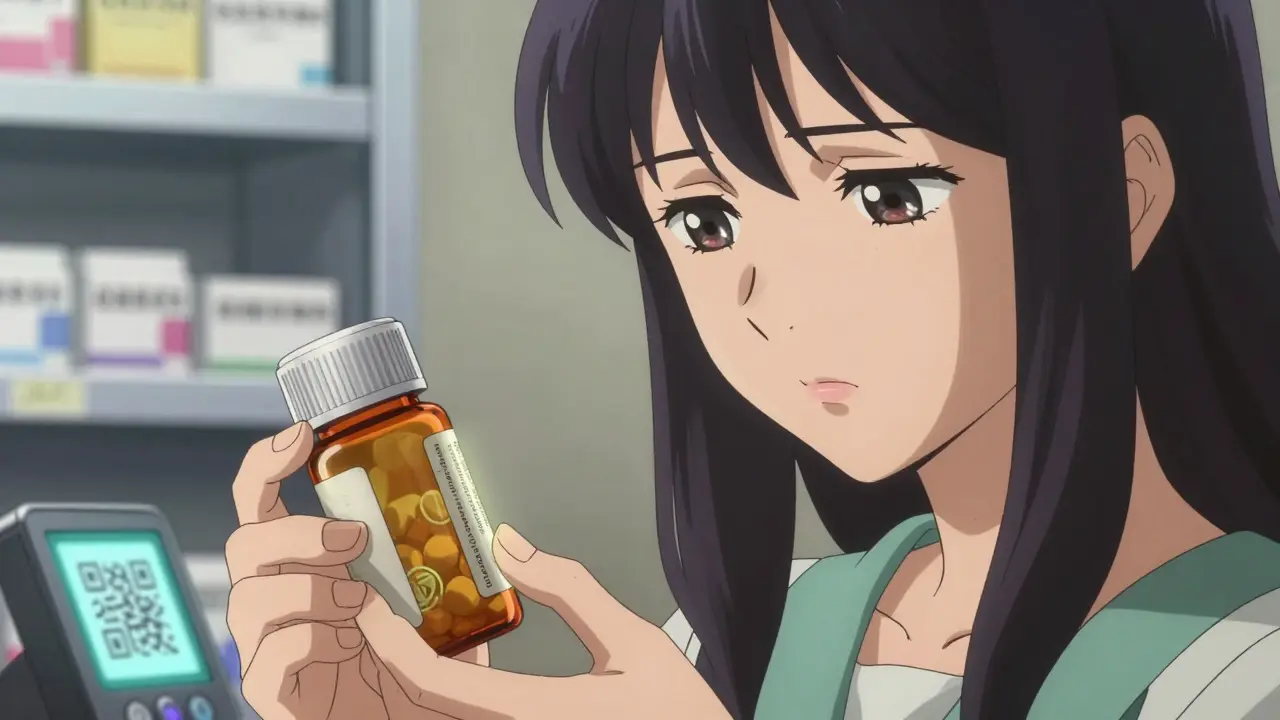
Every year, millions of people around the world take medicine they think is real-only to find out later it was fake. These aren’t just poor-quality copies. They’re dangerous. Some contain no active ingredient at all. Others have too much, too little, or the wrong chemical entirely. In some countries, up to 30% of medicines sold are counterfeit. And here’s the scary part: you are the last line of defense.
What You’re Up Against
Counterfeit drugs don’t look like cheap knockoffs. They look real. The packaging is perfect. The labels are clear. The blister packs feel right. Some even have fake serial numbers and tamper-proof seals that mimic the real thing. In 2023, the World Health Organization found that 73% of counterfeit medicines now pass basic visual inspection. That means if you just glance at the box, you’re likely to miss the problem. These fakes don’t come from shady back-alley pharmacies alone. They flood legitimate-looking online stores. A 2023 report from the National Association of Boards of Pharmacy found that 41% of Americans have bought medicine online without checking if the site was verified. And 18% of those people ended up with side effects linked to fake pills. The biggest red flag? Price. If a drug that usually costs $120 is suddenly $30, it’s not a deal. It’s a trap. The FDA says 78% of people who bought fake medicine online ignored this warning because they thought they were saving money. But the cost isn’t just financial. It’s your health.How to Check Your Medicine-Step by Step
You don’t need a lab to spot a fake. You need your eyes, your hands, and a few simple habits.- Check the packaging. Look for spelling mistakes, blurry logos, or colors that look slightly off. Real medicine boxes are printed with precision. Fakes often have tiny errors you’d only notice if you’re looking closely.
- Look for the seal. Every legitimate medicine should have a tamper-proof seal. If it’s loose, torn, or missing, don’t take it. This is non-negotiable.
- Compare the pills. Do the pills look different from your last refill? Same shape? Same color? Same markings? If the lettering on your pill is smudged or the color is lighter than usual, ask your pharmacist. Counterfeiters can’t perfectly copy the exact look of every batch.
- Verify the source. Only buy from pharmacies you trust. In the U.S., look for the .pharmacy seal on websites. In the EU, pharmacies are required to scan the unique serial code on each box before dispensing. If they won’t let you see the scan, walk out.
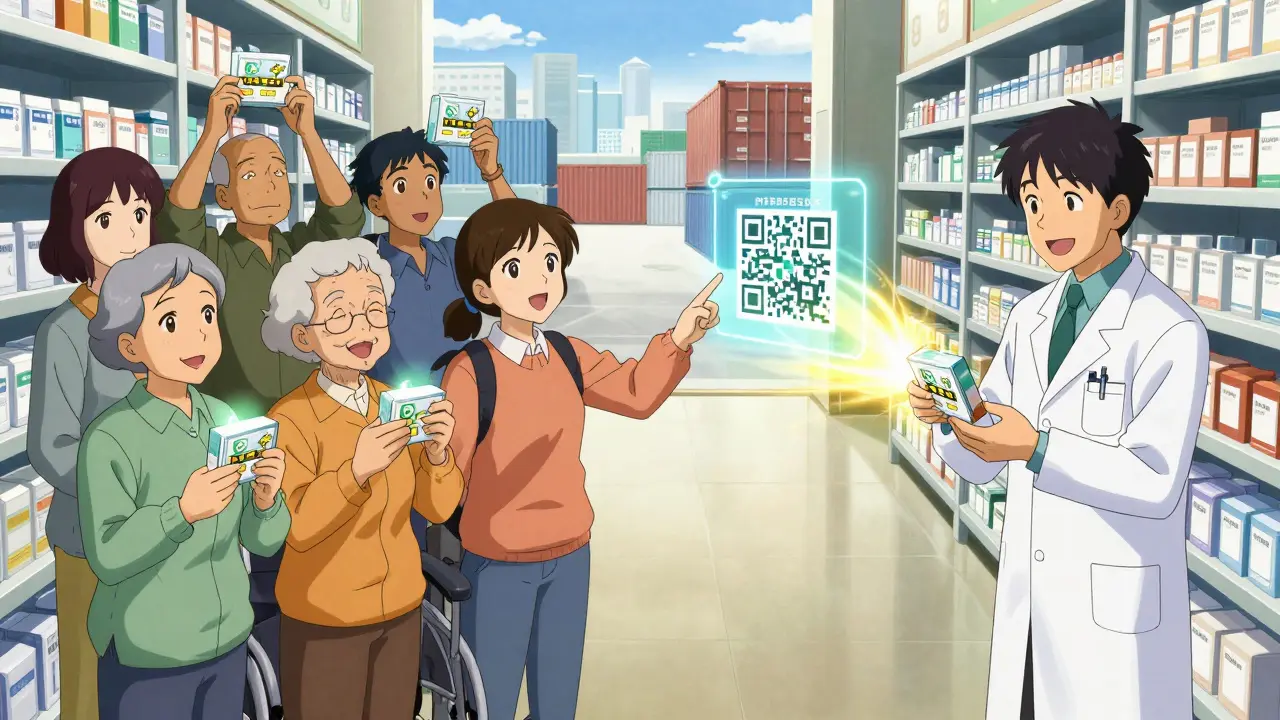
- Use the app. Apps like MedCheck (used by over 1.2 million people globally) let you scan QR codes or enter serial numbers to verify if a medicine is real. Brazil and France now require these codes on all prescriptions. Even if your country doesn’t, you can still use the app to check.
These steps take less than two minutes. But they’ve stopped thousands of fake drugs from being swallowed.
Real Stories-People Who Caught the Fakes
Maria Silva, a 62-year-old woman in São Paulo, noticed her diabetes pills looked different. The imprint on the tablet was slightly off. She called her pharmacy. They confirmed it wasn’t the same batch. She reported it to ANVISA, Brazil’s health agency. That one report led to the shutdown of a distribution hub that was shipping 12,000 fake pills across Latin America. In Manchester, a man bought insulin online because he couldn’t afford his prescription. He took it for three days. Then his blood sugar spiked dangerously. He went to the ER. The pharmacist there scanned the box and found the serial number didn’t match the manufacturer’s database. The pills were fake. He survived. But he didn’t report it-until he saw a news story about someone else who died from the same batch. These aren’t rare cases. Pfizer says consumers reported 14,000 fake medicines in 2023, which led to 217 official interdictions across 116 countries. That means 3.2 million potentially deadly doses were stopped-because someone looked closely.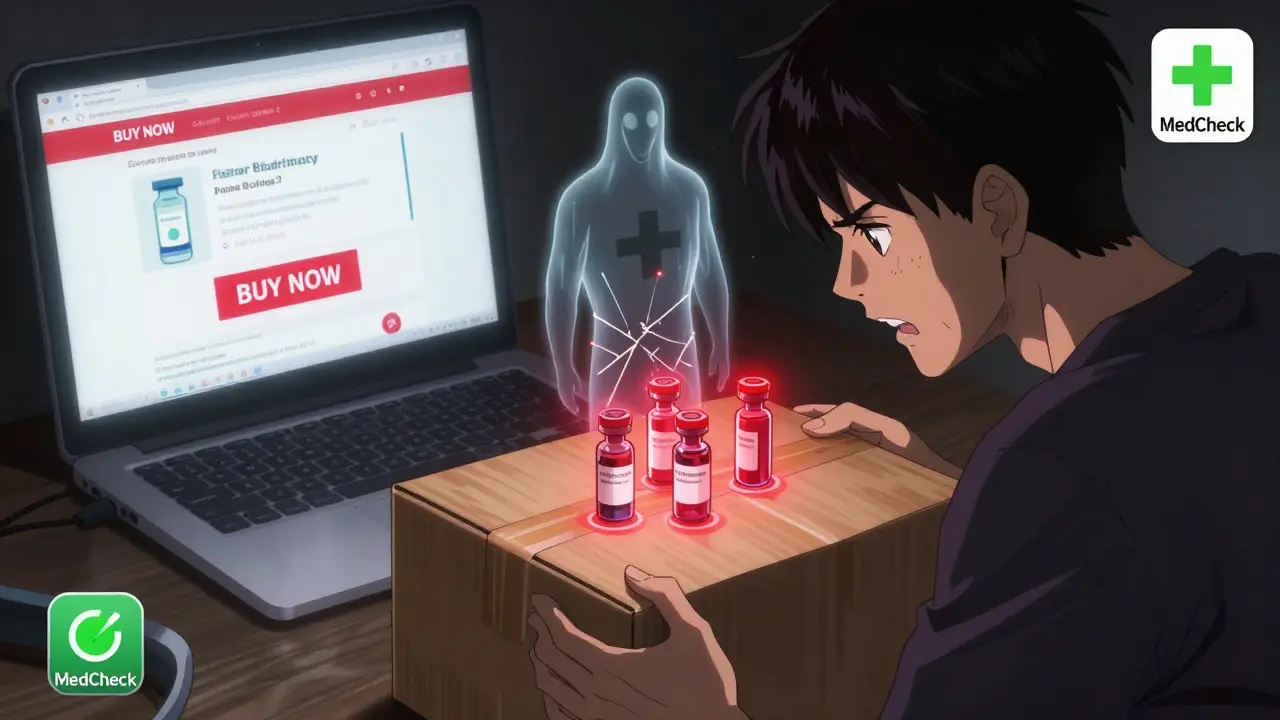
What Doesn’t Work
Relying on technology alone is a myth. Serialization and QR codes help-but only if you know how to use them. A 2024 Reddit survey found only 28% of people consistently check tamper seals. And 63% couldn’t explain how serialization works, even though it’s been mandatory in Europe since 2019. Also, don’t assume a pharmacy is safe just because it’s in a shopping center. Some fake sellers rent real storefronts. Always ask: Can you scan this for me? If they hesitate, walk away. And never trust social media ads. Instagram, Facebook, and TikTok are flooded with fake medicine sellers. They use influencers, testimonials, and “limited-time offers” to lure people. The FDA documented an 11% jump in social media-based counterfeit sales in 2023. These channels don’t follow rules. They don’t care if you live or die.Why This Matters-Even If You’re in the UK
You might think, “I’m in the UK. Our system is safe.” But counterfeit drugs don’t respect borders. They enter through online orders, international shipments, and even stolen medicine repackaged and resold. In 2023, the UK’s MHRA intercepted over 2 million fake pills at ports-many of them bound for private homes. And while only about 1% of medicines in high-income countries are fake, that still means tens of thousands of dangerous pills are in circulation. The WHO says patient vigilance reduces counterfeit use by up to 80% in areas where people are trained. That’s not a small number. That’s life or death.What You Can Do Today
You don’t need to be a doctor. You don’t need to be an expert. You just need to be careful.- Always buy from licensed pharmacies-physical or verified online.
- Keep your old pill bottles. Compare new pills to old ones.
- Download the WHO’s Medicines Safety app. It’s free. It works in 20 languages.
- If something feels off, call your pharmacist. Don’t wait.
- Report suspicious medicine. In the UK, contact the MHRA via their Yellow Card system. In the U.S., use the FDA’s MedWatch portal. Your report could save someone else’s life.
Counterfeiters are getting smarter. But so are we. Every time you check a seal, scan a code, or ask a question, you’re not just protecting yourself. You’re helping shut down a criminal network that preys on the sick.
What’s Coming Next
By 2027, 95% of prescription medicines will have consumer-verifiable features-QR codes, blockchain tracking, digital leaflets. France and Brazil are already rolling these out. In India, new pilots let you trace a pill’s journey from factory to pharmacy using your phone. But here’s the truth: no technology can replace your eyes. Even the best system can be hacked. Only a patient who asks questions, checks details, and refuses to be rushed can stop a fake pill from reaching their body.FAQ
How common are counterfeit medicines in the UK?
In the UK and other high-income countries, counterfeit medicines make up less than 1% of the market. But that still means thousands of fake pills enter circulation each year-mostly through online purchases. The MHRA intercepts over 2 million fake pills annually at borders. The risk isn’t high, but the consequences are severe.
Can I trust online pharmacies that aren’t .pharmacy websites?
No. Only pharmacies with the .pharmacy seal have been verified by the National Association of Boards of Pharmacy. Sites without this seal may be selling fake, expired, or dangerous drugs. Even if they look professional, they’re not safe. Stick to your local pharmacy or verified online sellers only.
What should I do if I think I’ve taken a fake medicine?
Stop taking it immediately. Contact your doctor or pharmacist. Report it to your national health authority-MHRA in the UK, FDA in the US, ANVISA in Brazil. Keep the packaging and pills. They’ll need them for investigation. Don’t wait for symptoms. Some fake drugs cause damage without obvious signs.
Are generic drugs more likely to be fake?
No. Generic drugs are just as safe as brand-name ones when bought from legitimate sources. Counterfeiters target popular drugs-both brand and generic-because they sell in high volumes. The risk comes from where you buy, not whether it’s generic.
Is it safe to buy medicine from another country?
It’s risky. Medicines bought from outside your country may not meet your nation’s safety standards. Even if they look identical, the ingredients, manufacturing, or storage could be unsafe. The WHO warns that 89% of counterfeit medicines come from unregulated online sellers, many based overseas.
Do I need to check every medicine I get?
Yes. Even if you’ve used the same drug for years, batches can change. Counterfeiters often target long-term medications like blood pressure pills, diabetes drugs, or antibiotics because patients take them daily and may not notice changes. Always check the packaging, the pills, and the source-every time.
Ian Ring
January 4, 2026 AT 17:43Just checked my blood pressure pills last week-same batch as last time, but the color was a *little* off. Called my pharmacist. They scanned it. Turned out it was a new supplier. Still, I’m glad I checked. That little two-minute habit? Worth it.
Kerry Howarth
January 5, 2026 AT 23:05My grandma takes five meds a day. I showed her the QR code app. Now she checks every bottle like it’s a treasure map. She says, ‘If it’s not verified, it’s not mine.’ Best life hack I’ve ever taught her.
JUNE OHM
January 7, 2026 AT 03:49Of course the government’s letting fake meds in. They’re in cahoots with Big Pharma. Why do you think they banned the real cures? This is all a cover-up. You think your pills are safe? They’re poisoning you slowly. Wake up.
Lori Jackson
January 9, 2026 AT 01:31Frankly, the fact that people still buy from unverified online pharmacies is a testament to the collapse of public health literacy. The WHO’s 2023 data on serialization compliance rates is abysmal-barely 28% of consumers engage with verification protocols. This isn’t negligence; it’s a systemic failure of civic education.
Tru Vista
January 9, 2026 AT 07:29QR codes? Really? Who has time for that? Also, my pills always look the same. I’ve been on this med for 7 years. It’s fine.
Palesa Makuru
January 10, 2026 AT 08:13You know, I read this whole thing and I’m just… disappointed. You treat this like it’s a DIY project. But the real issue? The pharmaceutical supply chain is a global mafia. You can’t ‘check a seal’ and fix capitalism. The real villain isn’t the scammer on Instagram-it’s the CEO who outsources manufacturing to a factory with no oversight. And you? You’re just cleaning up their mess with a tissue.
Joy F
January 11, 2026 AT 18:37Okay, but imagine this: you’re 72, on a fixed income, and your insulin costs $400. Then you see it for $40 online. You’re not a fool-you’re a person trying to survive. The system failed you. Now you’re supposed to be the detective? The real crime is that this even has to be a thing.
Ian Detrick
January 13, 2026 AT 05:47Don’t let fear paralyze you. Just be curious. Ask one question. Scan one code. Talk to your pharmacist. You don’t have to be an expert-just a little more awake than yesterday. That’s all it takes to break the cycle.
veronica guillen giles
January 14, 2026 AT 16:58Oh sweetie, you really think a QR code stops a criminal network? Honey, I’ve seen the inside of a pill factory in Mexico. They print the same labels as Pfizer. The only thing keeping you alive is luck. And maybe a really good pharmacist who remembers your face.
Brittany Wallace
January 14, 2026 AT 21:39My mom’s from Nigeria. She used to buy meds from street vendors. Now she uses the WHO app. She says, ‘If it doesn’t have a number, it doesn’t have a soul.’ I cried when she told me that. This isn’t just about pills-it’s about dignity.
Sarah Little
January 16, 2026 AT 01:33Blockchain tracking? That’s a buzzword. The real problem is the lack of regulatory enforcement in emerging markets. The WHO’s 2024 audit showed that only 17% of low-income countries have functional counterfeit drug reporting infrastructure. Technology without governance is theater.
Haley Parizo
January 16, 2026 AT 14:40What’s fascinating is how we’ve turned medicine into a consumer product. We shop for it like we shop for shoes. But a fake pair of sneakers just gives you blisters. A fake pill gives you a coma. We’ve normalized risk because we’ve forgotten that health isn’t a transaction-it’s a covenant.
innocent massawe
January 18, 2026 AT 02:44Here in Nigeria, we know this pain. My uncle died from fake antibiotics. We didn’t know. We trusted the shop. Now I check every bottle. Even if I’m tired. Even if it’s late. Because someone has to be the one who says ‘stop.’
Philip Leth
January 19, 2026 AT 11:28My cousin in Arizona bought fake Adderall off TikTok. Thought it was ‘study fuel.’ Ended up in the ER with a heart attack. He’s fine now. But he won’t touch anything online again. Just say no to influencer meds.
Shanahan Crowell
January 20, 2026 AT 04:53Let’s not forget: the most dangerous fake medicine isn’t the one with no active ingredient-it’s the one that makes you feel better… while slowly killing you. That’s the silent killer. And it’s everywhere. Stay alert. Stay vigilant. And never assume.