
You switch from your familiar brand-name pill to a cheaper generic version. The chemistry is identical. The dosage is the same. Yet, three weeks later, you swear the new pills just don't work as well. Your blood pressure hasn't budged, or your headaches feel sharper. Did the pharmacy swap you for a dud? Or is something else at play?
It’s rarely the pill itself. It’s your brain.
The placebo effect is not just a trick of the mind; it is a measurable physiological response where expectations directly influence therapeutic outcomes. When we talk about generic medications, this psychological factor becomes a critical variable in how well a treatment actually works for you. Understanding this dynamic can save you money, stress, and potentially, your health.
The Brain on Brand Names vs. Generics
Let’s look at what happens inside your head when you take a pill. In a landmark study published in Health Psychology by Kate Faasse and colleagues, researchers gave participants placebos labeled either as "brand-name" or "generic." The twist? Both were inert sugar pills. The results were stark: those who believed they took a brand-name painkiller reported relief equivalent to taking actual ibuprofen. Those who thought they took a generic felt significantly less relief.
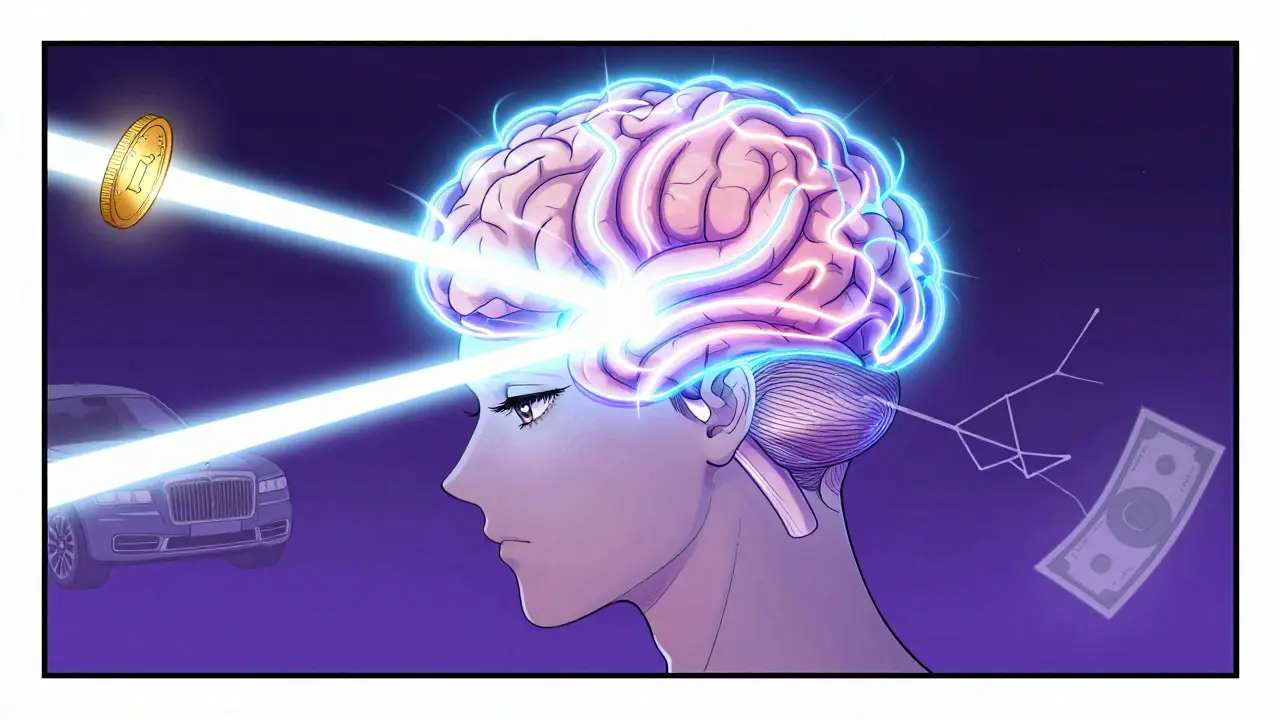
This isn’t magic. It’s neuroscience. Functional MRI scans show that when patients expect a high-quality treatment, their dorsolateral prefrontal cortex lights up more intensely. This area of the brain is involved in processing pain and expectation. Essentially, if you believe the $4.83 Lipitor pill is superior to the $0.08 atorvastatin generic, your brain releases more natural painkillers and modulates symptoms more effectively simply because of that belief.
The data shows a clear gap. For analgesics, the difference in perceived efficacy between brand-labeled and generic-labeled placebos was massive-about 38%. For antidepressants, patients on generic-labeled sertraline dropped out of trials 22% more often because they felt it wasn’t working, even though the chemical composition was identical to the brand name.
The Nocebo Effect: When Expectations Hurt
If the placebo effect is the power of positive thinking, the nocebo effect is its darker twin. This occurs when negative expectations cause real physical side effects. If you read online reviews saying generics are "cheaper junk," you’re more likely to experience side effects like muscle pain or fatigue, even if the pill is chemically perfect.
A study in JAMA Internal Medicine highlighted this dramatically with statins. Patients told they were receiving a generic medication reported muscle pain rates of 8.7-11.2%, compared to just 1.9-3.4% when the medication was presented neutrally. The fear of inferiority triggered the symptoms. This creates a vicious cycle: you switch to a generic, you worry it’s worse, you feel worse, you quit the medication, and your condition deteriorates.
| Factor | Brand-Name Labeling | Generic Labeling | Impact on Patient |
|---|---|---|---|
| Pain Relief (Analgesics) | High (VAS reduction ~45mm) | Moderate (VAS reduction ~28mm) | 38% efficacy gap due to perception |
| Side Effects (Statins) | Low (1.9-3.4% muscle pain) | High (8.7-11.2% muscle pain) | Nocebo-driven symptom reporting |
| Adherence Rates | Higher (+18.3%) | Lower | Risk of treatment discontinuation |
| Cost per Dose | $2.50 - $4.83 | $0.10 - $0.08 | Price influences perceived value |
Why Price Changes Perception
We often equate cost with quality. A study by Waber et al. showed that placebos labeled as costing $2.50 produced 64% greater pain reduction than identical placebos labeled as costing $0.10. We are hardwired to think that expensive things must be better. When you pay pennies for a prescription, your subconscious might flag it as "low value," dampening the therapeutic response.
This bias is strongest in people with higher health literacy-young adults and professionals who research their meds online tend to fall into this trap more than elderly patients. If you’re the type to read every review on Drugs.com before buying, you’re statistically more susceptible to these psychological swings.
Managing the Switch: Practical Strategies
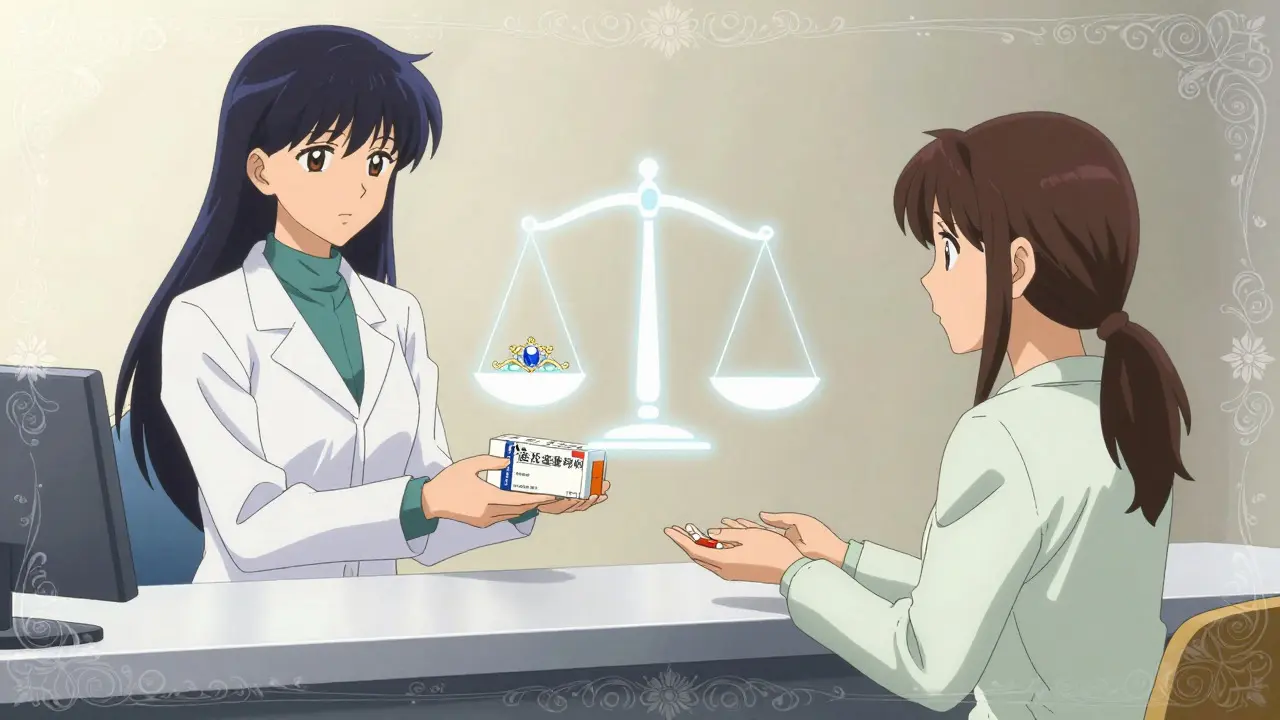
So, should you stick to expensive brands forever? Not necessarily. Generic drugs account for 90% of U.S. prescriptions and save the healthcare system billions. The key is managing your mindset during the transition.
1. The Three-Minute Education Rule
Research shows that a brief, focused explanation from your doctor can cut nocebo responses by nearly half. Ask your pharmacist or doctor to explain bioequivalence. They should clarify that generics must have 80-125% bioavailability compared to the brand, a tight window that ensures safety and efficacy. Knowing the science behind the switch helps override the emotional bias.
2. Acknowledge the Feeling, Trust the Data
If you feel different after switching, don’t ignore it, but don’t panic. It might be psychological. Try keeping a symptom diary for two weeks. Often, the anxiety of the switch causes mild discomfort that fades once you settle into the routine. Remember, your body doesn’t know the brand name; it only knows the molecule.
3. Consistency Matters
The FDA has noted that changing the color or shape of a generic pill can increase discontinuation rates by 19%. If your generic changes appearance, ask your pharmacist why. Sometimes, sticking with one manufacturer helps maintain psychological stability. If you’re anxious, ask if there’s a specific manufacturer whose pills look and feel most like your old brand.
When to Stick with Brands
There are exceptions. For narrow-therapeutic-index drugs like certain anti-seizure medications or thyroid hormones, small variations in absorption can matter. If you have a sensitive stomach or a complex medical history, the peace of mind from a brand-name drug might outweigh the cost. Dr. Ted Kaptchuk from Harvard notes that while the effect is real, it shouldn’t always override financial reality-but for some, the psychological comfort is part of the treatment plan.
Ultimately, the goal is adherence. A cheap generic you stop taking is worth less than an expensive brand you take consistently. By understanding that your brain plays a role in healing, you can hack the system: trust the science, manage your expectations, and give the generic a fair chance.
Are generic drugs really as effective as brand names?
Yes, pharmacologically they are. The FDA requires generics to prove bioequivalence, meaning they deliver the same amount of active ingredient into the bloodstream within the same time frame as the brand. Any perceived difference is often due to the placebo/nocebo effect rather than chemical inferiority.
Why do I feel worse on my generic medication?
This is likely the nocebo effect. Negative expectations about lower-cost drugs can trigger real physical sensations like pain or fatigue. Additionally, inactive ingredients (fillers) can vary between manufacturers, which might affect absorption slightly in very sensitive individuals, but this is rare.
How can I reduce the psychological impact of switching meds?
Educate yourself on bioequivalence standards. Talk to your pharmacist about the specific manufacturer. Give yourself a two-week adjustment period without judging efficacy immediately. Remind yourself that the active molecule is identical.
Does the price of a drug affect how well it works?
Directly, no. Indirectly, yes. Studies show that people perceive cheaper drugs as less effective, which can dampen the placebo component of pain relief and other subjective symptoms. Higher prices can enhance the perceived value and thus the therapeutic outcome through psychological mechanisms.
Should I avoid generics for mental health medications?
Not necessarily, but monitor closely. Antidepressants and anti-anxiety meds are subject to strong expectation effects. If you notice a significant drop in efficacy or increased side effects after switching, consult your doctor. Sometimes, the psychological reassurance of a brand name is enough to justify the extra cost for these specific classes.
Thhomas Fox
August 31, 2026 AT 08:29It's wild how much our brains dictate the experience. If you believe it works, your body listens. Trust the molecule, not the marketing.
Kaylyn Mello
September 1, 2026 AT 22:37this is so true i switched to generic for my thyroid meds and thought they werent working but then realized i was just anxious about the change
once i stopped reading reviews and trusted the doctor everything felt normal again
Owen John
September 2, 2026 AT 15:08The data on bioequivalence is convenient, isn't it? An 80-125% window is huge when you consider narrow therapeutic index drugs. It’s not just "psychology," it’s regulatory laziness allowing manufacturers to cut corners on inactive ingredients that actually affect absorption in sensitive individuals. We are being gaslit by Big Pharma into thinking we are imagining side effects because a pill looks different.
joyce Hogewoning
September 2, 2026 AT 16:28I literally cannot deal with this anymore because every single time I try to switch to the cheaper option which everyone says is identical my stomach decides to stage a full-blown rebellion and I end up spending twice as much money going back to the brand name anyway just to feel human enough to go to work
it feels like a scam designed to make us doubt our own bodies until we give up and pay the premium tax on our health which honestly makes me want to scream into a pillow every morning when I see that little orange bottle on my counter
John Park
September 3, 2026 AT 14:26You're conflating correlation with causation. The nocebo effect is real but it's often used to dismiss legitimate pharmacokinetic differences caused by fillers. If a patient reports pain, it's not always "just in their head." Sometimes the binder agents cause inflammation. Dismissing physical complaints as psychological bias is arrogant pseudo-science that serves insurance companies more than patients.
Maneesh kv
September 4, 2026 AT 17:46Dude stop overthinking it!!! 🤯 Your brain is powerful use it to heal not hurt yourself!! 😤 If u believe its trash u will feel trash!! 💊✨ Just trust the science and move on!!! 🚀💪 Don't let fear win!!! 😡👊
Alex Brown
September 5, 2026 AT 14:57I appreciate the nuance here. While the psychological component is undeniable, we must also acknowledge that the healthcare system relies on generics for sustainability. Perhaps the solution isn't choosing between mind or matter, but integrating both perspectives. By educating patients thoroughly, we can reduce the anxiety that fuels the nocebo response, creating a healthier environment for recovery regardless of the label on the bottle.
Lemuel Gomez
September 6, 2026 AT 05:25I... I agree with the point about education...
When my pharmacist explained the exact process of how they test the generic against the brand... it really helped me calm down...
I still worry though... but knowing the steps helps...
Emmanuel Umana
September 7, 2026 AT 09:38In many parts of Africa, access to medication is the primary concern, not the brand perception. However, the principle holds: trust is essential for adherence. If patients do not trust the source, they will not take the medicine. Cultural context matters heavily in how these expectations are formed.
Lilian Binda
September 7, 2026 AT 11:04we dont have luxury of choice here so we take what we get and it works fine!! its all in ur head ppl complaining about $2 pills while others cant even afford bread!! fix ur mindset!!
Kathleen McGrath
September 7, 2026 AT 20:05This article gave me such hope! I was so scared to switch my antidepressants last month. I started keeping a little diary like suggested and wow, after two weeks I didn't notice any difference at all. It really helped to talk to my doctor first. You guys should definitely try giving it a fair chance!
Fabian Saldana
September 8, 2026 AT 22:39Excellent insight. Proactive management of one's expectations is a crucial skill in modern healthcare. By taking ownership of the narrative surrounding one's treatment, patients can significantly enhance their therapeutic outcomes. It is empowering to realize that one's mental state is an active participant in the healing process.
Colin Finch
September 10, 2026 AT 22:08Oh, absolutely! It’s fascinating, isn’t it? The sheer power of belief! I remember when I switched my blood pressure meds, I was terrified, but once I decided to embrace the change with open arms, I felt fantastic! Truly remarkable how our minds shape our reality!
Betty Childers
September 11, 2026 AT 11:25yeah i think most people just need reassurance. if the doc takes 3 mins to explain why its safe, most folks are fine. its the lack of info that causes the panic.