
Your kidneys are hard workers. Every day, they filter about 150 quarts of blood to produce 1 to 2 quarts of urine, removing waste, extra water, and other impurities from your body. But here is the scary part: most people don’t know their kidneys are failing until it is too late. According to the Centers for Disease Control and Prevention (CDC), roughly 90% of adults with Chronic Kidney Disease (CKD) have no idea they have it. That silence makes prevention not just a good idea-it’s a necessity.
You might think kidney failure only happens to older adults or those with a family history. While genetics play a role, the biggest drivers of kidney damage are conditions you can control: high blood pressure and diabetes. Together, these two issues account for about 75% of all CKD cases. The good news? You have more power over your kidney health than you realize. By making specific, evidence-based changes to your diet, activity levels, and medication habits, you can significantly lower your risk.
The Silent Threats: Understanding Your Risk Factors
To protect your kidneys, you first need to know what attacks them. Kidney disease isn’t usually caused by one single event; it’s often the result of long-term stress on the organ’s filtering units, called nephrons. When these tiny filters get damaged, they can’t do their job properly, leading to a buildup of toxins in the blood.
The two biggest enemies of your kidneys are hypertension and high blood sugar. High blood pressure forces blood through the delicate kidney filters at a damaging speed, eventually scarring them. If you have high blood pressure, your target should be around 120/80 mm Hg. Meanwhile, diabetes causes excess glucose to clog up the filtering system. In fact, diabetes accounts for 40% of kidney failure cases in the United States alone. If you have either condition, regular screening is non-negotiable. The National Kidney Foundation emphasizes that early CKD has no signs or symptoms. You won’t feel pain. You won’t see swelling immediately. That is why getting tested-specifically checking your glomerular filtration rate (GFR) and urine albumin-is critical if you fall into a high-risk group.
Other risk factors include being over age 60, having a family history of kidney failure, or belonging to certain ethnic groups. For instance, Black Americans are 3.4 times more likely to develop kidney failure than White Americans due to a combination of genetic factors and higher rates of hypertension and diabetes. Knowing where you stand helps you take targeted action before damage sets in.
Dietary Adjustments That Protect Kidney Function
What you eat directly impacts how hard your kidneys have to work. You don’t need a complicated detox plan. Instead, focus on reducing the substances that strain your filtration system. The most important change you can make is cutting back on sodium.
Most people consume far more salt than they need. The Richmond Nephrology Associates recommends limiting sodium intake to under 2,300 mg daily. Why? Because excess sodium raises blood pressure, which puts immediate stress on your kidneys. This doesn’t mean giving up flavor entirely. It means reading labels carefully. Processed foods, canned soups, and deli meats are hidden sodium bombs. Switching to fresh ingredients and using herbs instead of salt shakers can make a massive difference.
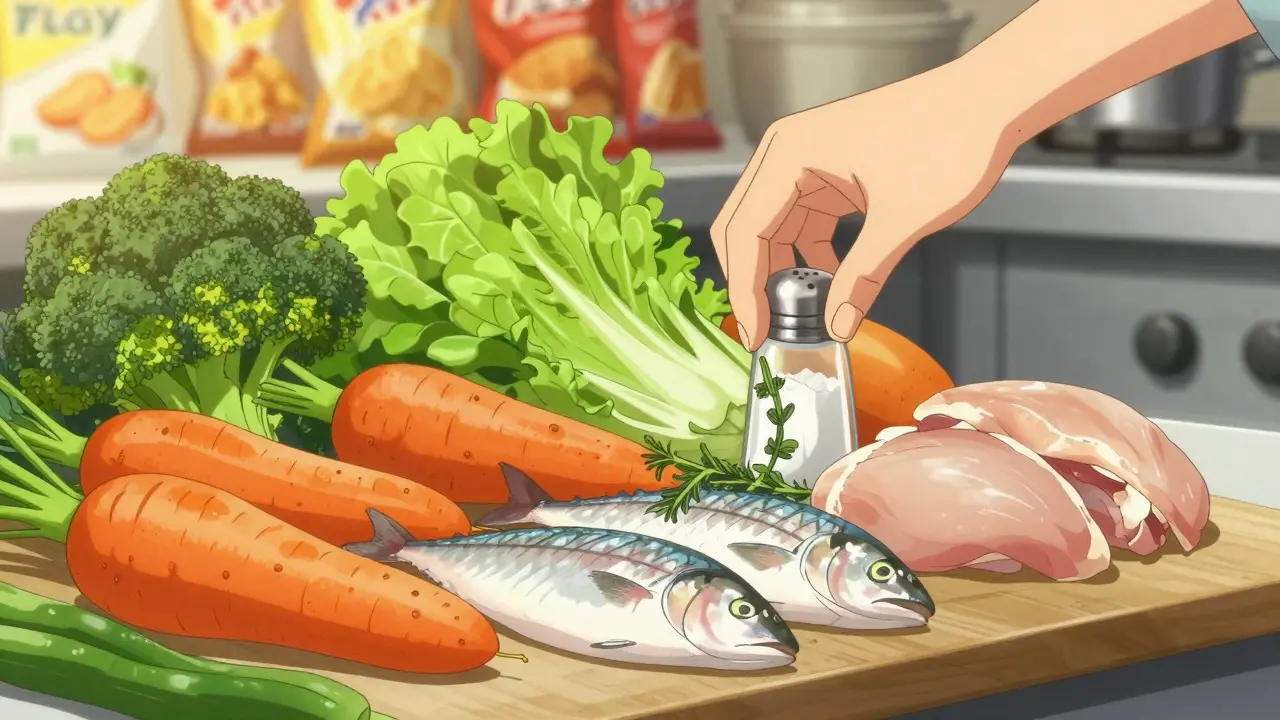
Next, look at your protein intake. While protein is essential, eating too much of it-especially red meat-can overburden your kidneys. Excessive protein consumption (more than 1.2 grams per kilogram of body weight) forces the kidneys to work harder to remove nitrogen waste products. Aim for lean sources like fish, chicken, or plant-based proteins such as beans and lentils, but keep portions moderate. A palm-sized serving at each meal is usually sufficient for most adults.
Sugar and refined carbohydrates are also major culprits. Sugary beverages contribute to obesity and type 2 diabetes, both of which devastate kidney health. The NHS advises consuming at least five portions of fruits and vegetables daily. These foods are rich in antioxidants and fiber, which help reduce inflammation and stabilize blood sugar. Think of your plate as a balance: half vegetables, a quarter whole grains, and a quarter lean protein.
Moving More: Exercise as a Preventive Tool
It might seem unrelated, but staying active is one of the best things you can do for your kidneys. Regular physical activity helps control blood pressure, lowers blood sugar, and maintains a healthy weight-all of which reduce the strain on your renal system. The CDC and NHS both prescribe at least 150 minutes of moderate-intensity aerobic activity per week. That breaks down to just 30 minutes a day, five days a week.
You don’t need to run marathons. Brisk walking, cycling, swimming, or even dancing counts as moderate intensity. The key is consistency. If 30 minutes feels daunting, start with 10-minute bursts throughout the day. Take the stairs instead of the elevator. Park further away at the grocery store. Walk after dinner. These small additions add up quickly.
In addition to cardio, incorporate strength training at least two days a week. Building muscle improves insulin sensitivity, which helps manage blood sugar levels. Simple exercises like squats, lunges, and resistance band workouts target major muscle groups without requiring expensive gym equipment. Remember, movement is medicine. It keeps your blood flowing smoothly and reduces the systemic inflammation that damages organs over time.
Medication Safety and Substance Use
Believe it or not, some common medications can harm your kidneys if used incorrectly. Non-steroidal anti-inflammatory drugs (NSAIDs), such as ibuprofen and naproxen, are popular for headaches and joint pain. However, frequent use restricts blood flow to the kidneys. According to FDA data, NSAIDs account for 3-5% of new CKD cases annually. If you rely on painkillers regularly, talk to your doctor about safer alternatives like acetaminophen, or address the underlying cause of your pain.
Alcohol consumption also plays a role. While moderate drinking might not destroy your kidneys overnight, excessive alcohol raises blood pressure and contributes to liver disease, which indirectly affects kidney function. Limit yourself to one drink per day if you’re a woman, or two if you’re a man. Hydration matters too, but don’t overdo it. Drinking gallons of water won’t “flush” your kidneys better than normal hydration. Just stay consistently hydrated throughout the day, aiming for pale yellow urine as a guide.
If you smoke, quitting is perhaps the single most impactful step you can take. Smokers have a 50% higher risk of kidney function decline compared to non-smokers. Smoking narrows blood vessels, reducing oxygen supply to the kidneys and accelerating disease progression by 30-50%. Whether you use patches, gum, or counseling, eliminating tobacco protects not just your lungs, but your entire cardiovascular and renal system.

Monitoring and Early Detection Strategies
Prevention isn’t just about lifestyle; it’s about vigilance. Since early CKD is silent, you must rely on medical tests to catch problems early. If you have diabetes, hypertension, or a family history of kidney disease, ask your doctor for an annual check-up that includes:
- Blood Pressure Check: Ensure it stays below 120/80 mm Hg.
- GFR Test: This blood test measures how well your kidneys are filtering waste.
- Urine Albumin Test: This checks for protein in your urine, an early sign of kidney damage.
- A1C Test: For diabetics, this monitors average blood sugar levels over three months.
Don’t wait for symptoms like fatigue, swelling in your ankles, or changes in urination frequency. By the time those appear, significant damage may have already occurred. Early detection allows for interventions that can slow or even halt disease progression. Telehealth monitoring programs are also emerging as effective tools, helping patients track blood pressure remotely and adhere to medication schedules more consistently.
Practical Steps to Start Today
Overwhelmed? Start small. Pick one area to improve this week. Maybe it’s swapping soda for sparkling water. Or adding a 15-minute walk to your evening routine. Small, sustainable changes beat drastic, short-lived diets every time. Stress management also plays a surprising role; mindfulness and meditation have been linked to slower CKD progression in some studies. Prioritize sleep, connect with loved ones, and give yourself grace as you build healthier habits. Your kidneys will thank you for years to come.
What are the earliest signs of kidney disease?
Early kidney disease often has no symptoms. Later stages may cause fatigue, swelling in feet/ankles, changes in urination frequency, foamy urine, or dry/itchy skin. Because symptoms appear late, regular testing is crucial for at-risk individuals.
Can kidney damage be reversed?
While advanced scarring is permanent, early-stage kidney damage can sometimes be stabilized or slowed significantly through lifestyle changes, blood pressure control, and diabetes management. Early intervention is key to preserving function.
How much water should I drink to protect my kidneys?
There is no single number for everyone. Generally, aim to drink enough so your urine is pale yellow. Overhydration doesn't provide extra benefits and can be harmful for those with existing heart or kidney conditions. Listen to your thirst cues.
Are herbal supplements safe for kidney health?
Not necessarily. Some herbal supplements contain heavy metals or compounds that can be toxic to kidneys. Always consult your healthcare provider before starting any new supplement, especially if you have existing risk factors for CKD.
Who should get screened for kidney disease?
Anyone with diabetes, high blood pressure, heart disease, obesity, a family history of kidney failure, or who is over age 60 should get annual screening. Ethnic minorities, particularly Black and Hispanic populations, are also at higher risk and should prioritize testing.
Morikeoluwa Ayodeji
August 5, 2026 AT 01:32Yo, this is straight fire. I see so many people in my community ignoring their blood pressure until it's too late. The part about diabetes being the main culprit hits hard because we deal with that daily. You gotta get those GFR tests done if you're over 40 or have a family history. Don't wait for symptoms because they don't show up until the damage is severe. Start walking today even if it's just around the block. Your kidneys will thank you later.
Anna Salamon
August 6, 2026 AT 20:15The sodium advice is crucial but often overlooked in our cultural diets. Many traditional dishes rely heavily on salt for preservation and flavor. It is not about abandoning heritage foods but rather adapting them. Using more herbs and spices can maintain that authentic taste without the renal strain. We need to normalize talking about kidney health at family gatherings. Prevention is an act of love for ourselves and our lineage.
Fenton Quinn
August 7, 2026 AT 16:29Silence is dangerous. Most people assume pain equals illness. Kidney disease proves otherwise. Regular testing is the only logical defense. Do not ignore the stats.
Samuel Hershberger
August 8, 2026 AT 20:00I really appreciate the section on NSAIDs. Everyone pops ibuprofen for every minor ache. We forget that these drugs restrict blood flow to the kidneys. If you are taking them weekly, talk to your doctor. Acetaminophen is usually safer for the kidneys though watch the liver. Small changes in medication habits make a huge difference. Let's spread this word to our friends who live on Advil.
Mathew Stuckey
August 9, 2026 AT 05:24This is such a wake-up call! 🚨 I never realized how much processed food affects my kidneys directly. I'm definitely cutting back on canned soups. The tip about pale yellow urine is super easy to follow. No need for complicated apps. Just look and adjust. 💧 Stay hydrated folks!
John Divers
August 9, 2026 AT 14:37The correlation between hypertension and renal failure is well established. Yet public awareness remains low. This article provides a clear framework for mitigation. One should consider dietary adjustments as a primary intervention. Consistency in exercise is equally vital. The data supports these conclusions unequivocally.
Ambria St louis
August 11, 2026 AT 04:16It is truly alarming; however, it is also empowering! To think that we have control over such a significant aspect of our health is wonderful. The emphasis on early detection is paramount. One must not hesitate to request these specific tests from their physician. A simple blood test can save years of suffering. Please share this information widely!
Dennis Leeftink
August 12, 2026 AT 19:36Most people here are idiots. They drink water like it fixes everything. Water doesn't fix bad genes or bad diet. If you eat trash you die. Simple. Doctors want you sick so they get paid. Stop listening to them. Eat meat and be happy. This article is just fear mongering.
Traci Bobbitt
August 14, 2026 AT 14:54Lol yeah right. I've been eating whatever I want for years and I'm fine. These guidelines are for people who are already sick. Healthy people don't need to count milligrams of sodium. It's all marketing hype by big pharma. Just chill out and stop stressing about every little thing.
Sansaray Jones
August 15, 2026 AT 05:33interesting read. i usually ignore health stuff but this made sense. the part about protein overload was new to me. gonna try eating less red meat. seems reasonable.
Michelle Alavaski
August 16, 2026 AT 02:09One must question the motives behind such widespread medical consensus. The CDC and NHS are government entities with vested interests in population control. Why push annual screenings for asymptomatic individuals? It creates a market for pharmaceutical interventions. The definition of 'normal' kidney function has shifted artificially to capture more patients. Trust your body's innate wisdom over institutional mandates. The silence of the kidneys may be a natural adaptation, not a defect requiring correction.