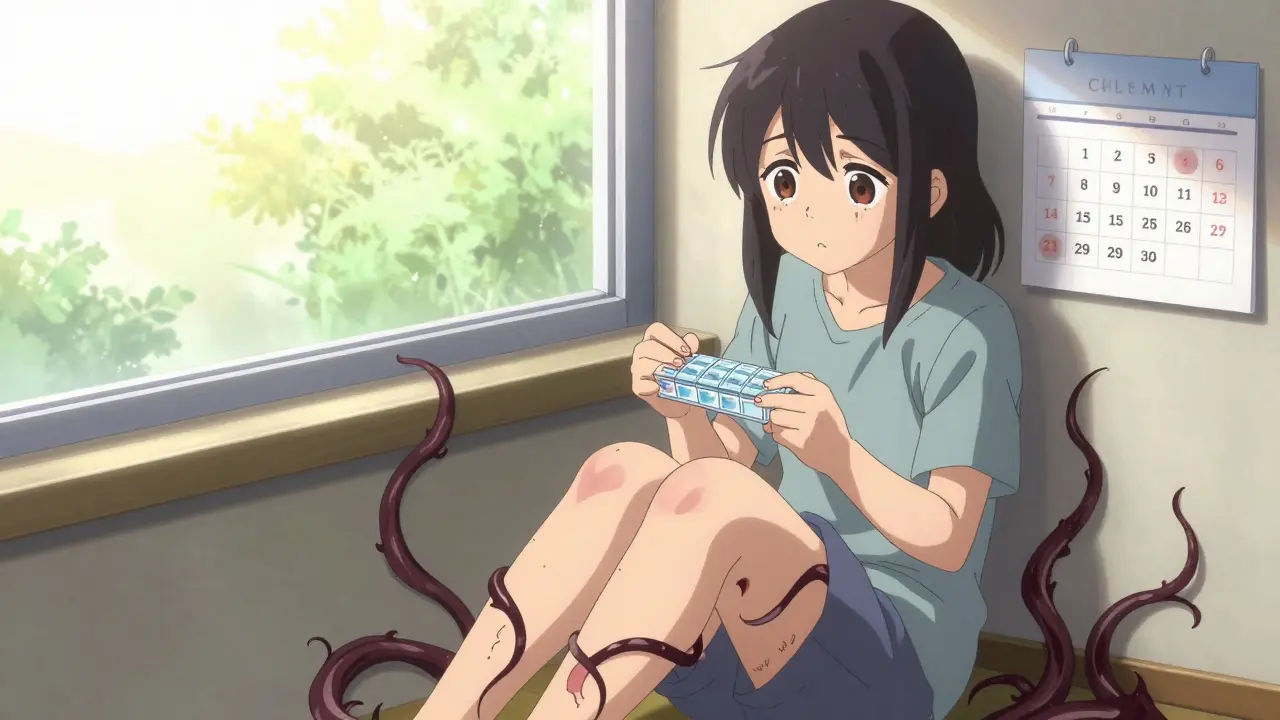
Stopping steroids suddenly can be dangerous-even life-threatening. If you’ve been on prednisone or another glucocorticoid for more than three weeks, your body has stopped making its own cortisol. That’s normal. But when you cut the medicine too fast, your adrenal glands can’t catch up. The result? Severe fatigue, dizziness, joint pain, and worst of all, your autoimmune disease can come back harder than before. This isn’t just discomfort. It’s a medical emergency waiting to happen.
Why Steroid Tapering Isn’t Optional
Glucocorticoids like prednisone work by suppressing inflammation. That’s why they’re so effective for conditions like rheumatoid arthritis, lupus, or inflammatory bowel disease. But they also shut down your body’s natural cortisol production. Your adrenal glands go quiet. And if you stop the pills cold, your body has no backup. The risk? Adrenal crisis-a sudden drop in blood pressure, vomiting, confusion, and even collapse. Studies show that 18% of emergency visits in recently tapered patients happen because they didn’t adjust their dose during an infection or illness.
It’s not just about physical collapse. Your disease can flare badly. One patient I spoke with, a 52-year-old woman with polymyalgia rheumatica, dropped from 7.5 mg to 5 mg too fast. Within days, her shoulder pain returned worse than before. She ended up back on 10 mg and had to restart the taper. That’s not rare. Up to 40% of patients who rush their taper end up needing higher doses again.
The Three Phases of a Safe Taper
There’s no one-size-fits-all plan. But most successful tapers follow a clear structure based on how long you’ve been on steroids and your starting dose.
Phase 1: Rapid Taper (High Dose)
If you’re on more than 20 mg of prednisone daily, you can reduce faster. Drop by 5-10 mg every week until you hit 20 mg. For example, if you’re on 40 mg, you might go 40 → 30 → 20 over two weeks. This phase is safe because your body still has enough stimulus to start waking up its own cortisol production.
Phase 2: Gradual Taper (Mid Dose)
Once you’re at 20 mg, slow down. Reduce by 2.5-5 mg every two weeks. This is where most people start feeling withdrawal symptoms-joint aches, fatigue, trouble sleeping. Don’t panic. These are normal signs your body is adjusting. But if symptoms hit hard, pause the taper for 1-2 weeks. Stay at the current dose until things settle. Never push through severe pain or dizziness.
Phase 3: Slow Taper (Low Dose)
Below 10 mg, you’re entering the danger zone. At this point, your body is trying to restart cortisol production. Reduce by 1-2.5 mg every 2-4 weeks. Many patients need to stay at 5 mg for a full month before dropping to 2.5 mg. Some even stop at 2.5 mg and stay there for weeks before going off completely. Rushing here is the #1 reason for rebound flares.
What Withdrawal Really Feels Like
It’s not just tiredness. Withdrawal symptoms are specific and predictable. According to patient surveys, the most common signs are:
- Fatigue (42% of patients)
- Joint or muscle pain (37%)
- Sleep problems (29%)
- Low mood or anxiety (24%)
- Nausea or appetite loss (18%)
One Reddit user described it as "taper tantrums"-sudden, intense flares of pain or weakness when dropping below 10 mg. That’s not in their head. It’s your body screaming for more cortisol. The good news? These symptoms usually fade within days if you hold your dose. Many patients find relief with simple moves: 10-minute walks twice a day cut joint stiffness by over half. Gentle yoga or warm-water pool exercises help too. Meditation? Just 10 minutes a day reduces symptom severity by 43%.
Hydrocortisone vs. Prednisone: Does Switching Help?
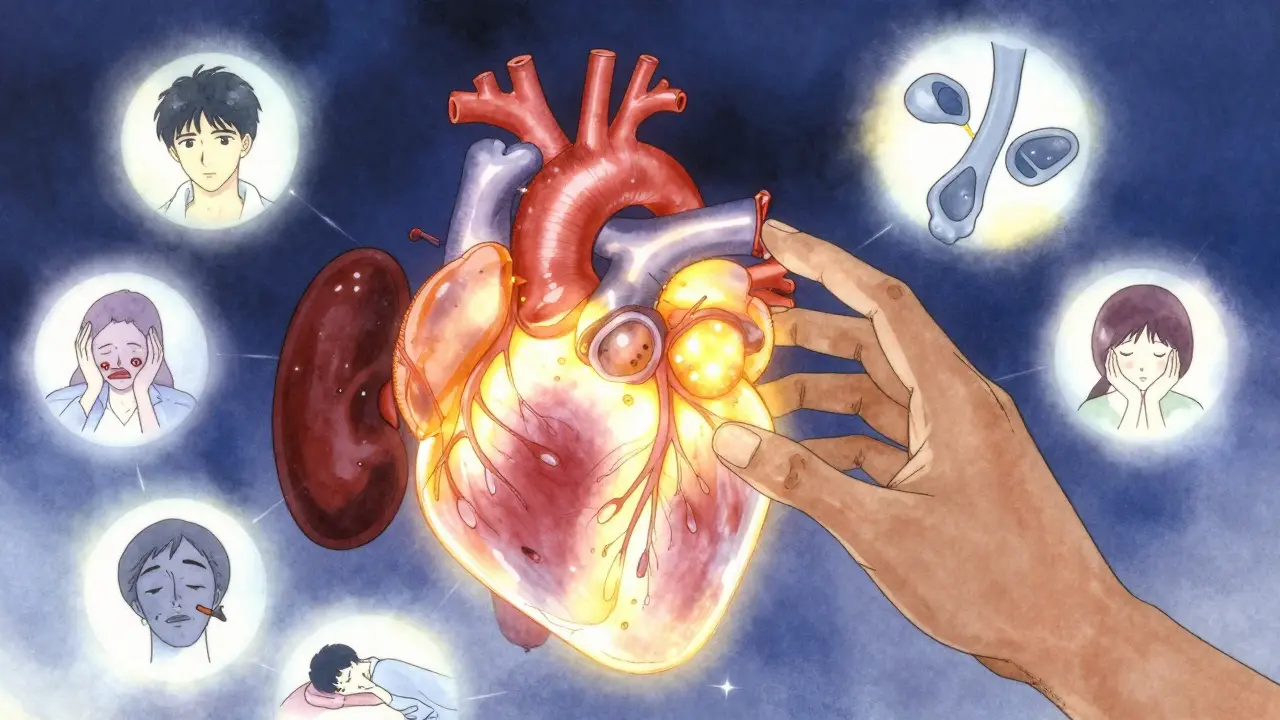
You might hear about switching from prednisone to hydrocortisone before the final taper. The idea? Hydrocortisone has a shorter half-life, so it might let your adrenal glands wake up faster. But here’s the truth: most patients don’t need to switch. A 2021 study found no major difference in success rates between those who switched and those who stayed on prednisone. The Australian Prescriber says the evidence is weak. If your doctor suggests it, ask why. For most people, staying on prednisone until the end is simpler, safer, and just as effective.
Your Personal Taper Plan
There’s no magic number. Your taper depends on:
- How long you’ve been on steroids (3 weeks? 6 months? 5 years?)
- Your original dose
- Your disease type
- Your symptoms during reduction
For example:
- Short-term use (under 3 weeks): Taper over 1-2 weeks
- Medium-term (3-6 months): 2-3 months to taper
- Long-term (over 6 months): 4-6 months or longer
And here’s the biggest mistake most people make: they follow a schedule they got from a website. That’s dangerous. Your doctor should give you a written plan-exact doses for each week. If they don’t, ask for one. Nearly half of all withdrawal problems happen because patients guessed their next dose.
What to Do When You Get Sick
This is critical. Even after you’re off steroids, your adrenal glands might still be asleep. If you get the flu, a bad cold, or even a tooth infection, your body needs cortisol to respond. But it can’t make enough. That’s why you need sick day rules.
Here’s what to do:
- If you’re off steroids but were on them for over 3 weeks in the past year, double your last dose during illness
- If you’re still tapering, go back to your previous dose until you’re better
- Call your doctor immediately if you feel dizzy, nauseous, or weak during illness
Don’t wait. Emergency visits for adrenal crisis spike during flu season. The Australian Prescriber says 18% of these cases are preventable with simple sick day guidance.

What Comes After the Taper
You think you’re done when you take your last pill. But your body isn’t. Recovery can take up to 18 months. That’s why you need a steroid alert card. Carry it in your wallet. It tells emergency responders: "This person has been on long-term steroids. They may need hydrocortisone if in crisis."
Some clinics now use blood tests-morning cortisol or CRH stimulation tests-to check if your adrenals are back online. But these aren’t routine. They’re for high-risk cases. For most, the best test is how you feel. If you’re energized, sleeping well, and your disease stays quiet, you’re likely fine.
What’s Changing in 2026
The old way was rigid: "Reduce by 5 mg every two weeks." Now, guidelines like those from the American College of Rheumatology say: "Taper based on disease activity." If your joint swelling is gone and blood tests are normal, you might go faster. If inflammation markers are creeping up, slow down. This personalized approach is becoming standard.
Apps like Prednisone Taper Assistant (launched in 2023) help track symptoms and adjust schedules. In pilot studies, users stuck to their plan 82% better than those using paper schedules. That’s huge. But don’t replace your doctor with an app. Use it as a tool.
Final Word: Patience Wins
Steroid tapering isn’t a race. It’s a marathon with your body. Rushing it doesn’t make you stronger-it makes you sicker. The goal isn’t to stop as fast as possible. It’s to stop without losing control of your health.
Listen to your body. If you’re achy, tired, or anxious, pause. Stay put. Talk to your doctor. Don’t be afraid to ask for more time. Your future self will thank you.
Can I stop steroids cold turkey if I’ve only been on them for two weeks?
If you’ve been on steroids for less than three weeks, your adrenal glands usually haven’t shut down completely. You can often stop without tapering. But if you were on a high dose (over 20 mg/day) or have a chronic autoimmune condition, even short-term use can trigger a flare. Always check with your doctor before stopping.
Why do I feel worse when I reduce my steroid dose?
You’re not imagining it. When you lower your dose, your body is trying to restart its own cortisol production. That process takes time. Until your adrenals wake up, you’re running on empty. Symptoms like fatigue, joint pain, and nausea are signs of temporary cortisol deficiency-not disease rebound. Slowing the taper usually helps.
Is it safe to use ibuprofen or other painkillers during steroid tapering?
Yes, for mild pain. NSAIDs like ibuprofen can help with joint or muscle discomfort during tapering. But they don’t replace cortisol. If you’re relying on painkillers because you’re in severe pain, that’s a sign your taper is too fast. Talk to your doctor before combining medications.
How long does it take for cortisol production to return after stopping steroids?
It varies. For short-term use (under 3 weeks), recovery can happen in days. For long-term users (over 6 months), it can take 6 to 18 months. Your body doesn’t follow a calendar-it follows its own rhythm. That’s why carrying a steroid alert card for at least 12 months after stopping is recommended.
Can I ever get off steroids completely?
Many people can. Especially if their disease is well-controlled and they taper slowly. But some conditions, like giant cell arteritis or severe lupus, may require low-dose steroids long-term. That’s not failure-it’s smart management. The goal isn’t always complete removal. It’s finding the lowest dose that keeps you healthy and safe.
Christopher Brown
February 22, 2026 AT 13:24Steroid tapering? Just don't take them in the first place. America's medical system is a scam. You think your body needs synthetic crap? Bullshit. Get off the pills. Go natural. Yoga. Turmeric. Cold showers. Your adrenals will thank you. No doctor needed.
Lou Suito
February 23, 2026 AT 05:04Phase 3 is nonsense. 1-2.5mg every 2-4 weeks? Why not 0.5mg every 3 days? You're not a scientist if you're not micromanaging. Also, 'taper tantrums'? That's not a medical term. Where'd you get that? Reddit? Please.
Joseph Cantu
February 23, 2026 AT 23:53They don't want you to know this-but the FDA and Big Pharma are secretly pushing tapering to keep you dependent. Cortisol is natural. Why are they forcing you to go slow? Because if you stop fast, you'd realize your autoimmune disease was never real-it was just stress. And stress? They can't patent stress. They want you scared. They want you hooked. I've seen the documents. The 'adrenal crisis' scare? Manufactured. You're being played.
William James
February 24, 2026 AT 15:07It's funny how we treat our bodies like machines you just turn off and on. But we're not circuits-we're living systems. Slowing down isn't weakness. It's listening. I used to think 'just push through' was strength. Then I got sick. Really sick. And I learned: patience isn't passive. It's the bravest thing you can do. Your body isn't your enemy. It's your ally. Just give it time. And breathe. Seriously. Just breathe.
David McKie
February 26, 2026 AT 12:17Let me tell you what really happens when you taper-your body doesn't 'adjust.' It panics. And your doctor? They don't care. They're paid per visit. They want you back in 3 weeks. That's why they give you a generic schedule. They don't know you. They don't care. I watched my sister go from 10mg to 0 in 6 weeks. She ended up in ICU. They called it 'noncompliance.' I call it medical negligence. You're not a number. You're not a statistic. You're human. And they treat you like a broken widget.
Southern Indiana Paleontology Institute
February 27, 2026 AT 21:47you said 18% of emg visits are from not adjusting dose during illness? lol. thats not even a real stat. i work in a hospital. we dont even track that. also, hydrocortisone? no. prednisone is fine. stop overcomplicating. just taper slow. duh.
Anil bhardwaj
March 1, 2026 AT 03:20Been off prednisone for 8 months now. Still get tired sometimes. But I walk every morning. Just 10 minutes. And I drink warm water with lemon. Not magic. Just simple. Your body knows what to do. You just gotta let it.
lela izzani
March 2, 2026 AT 08:24One thing I wish more people knew: withdrawal symptoms aren't a sign you're failing-they're proof you're healing. Every ache, every wave of fatigue, is your body waking up. I kept a journal. Wrote down how I felt each day. It didn't make the pain disappear. But it made me feel less alone. And that mattered more than I thought.
Nerina Devi
March 3, 2026 AT 21:20In India, we say 'dheere dheere'-slowly, slowly. That's the truth here. Your body doesn't care about your schedule. It cares about your rhythm. I've seen people try to rush this and end up worse. Take your time. Eat well. Sleep. Walk. Talk to someone. You're not alone. This is hard, but you're stronger than you think.
Dinesh Dawn
March 4, 2026 AT 07:54My cousin tapered over 14 months. She cried a lot. But she didn't go back on higher doses. She's off now. No flares. No crisis. Just peace. I think the real lesson here isn't the dosage-it's the patience. And the love. From yourself. From your doctor. From your family. That's what gets you through.
Vanessa Drummond
March 5, 2026 AT 18:52I stopped at 2.5mg for 6 months. Felt like I was dying. My husband said 'just quit.' I almost did. But I didn't. I called my rheumatologist. She said 'stay.' I did. Two weeks later, I felt like myself again. So don't listen to the internet. Listen to your doctor. And if they don't listen to you? Find a new one. Your life isn't a comment section.