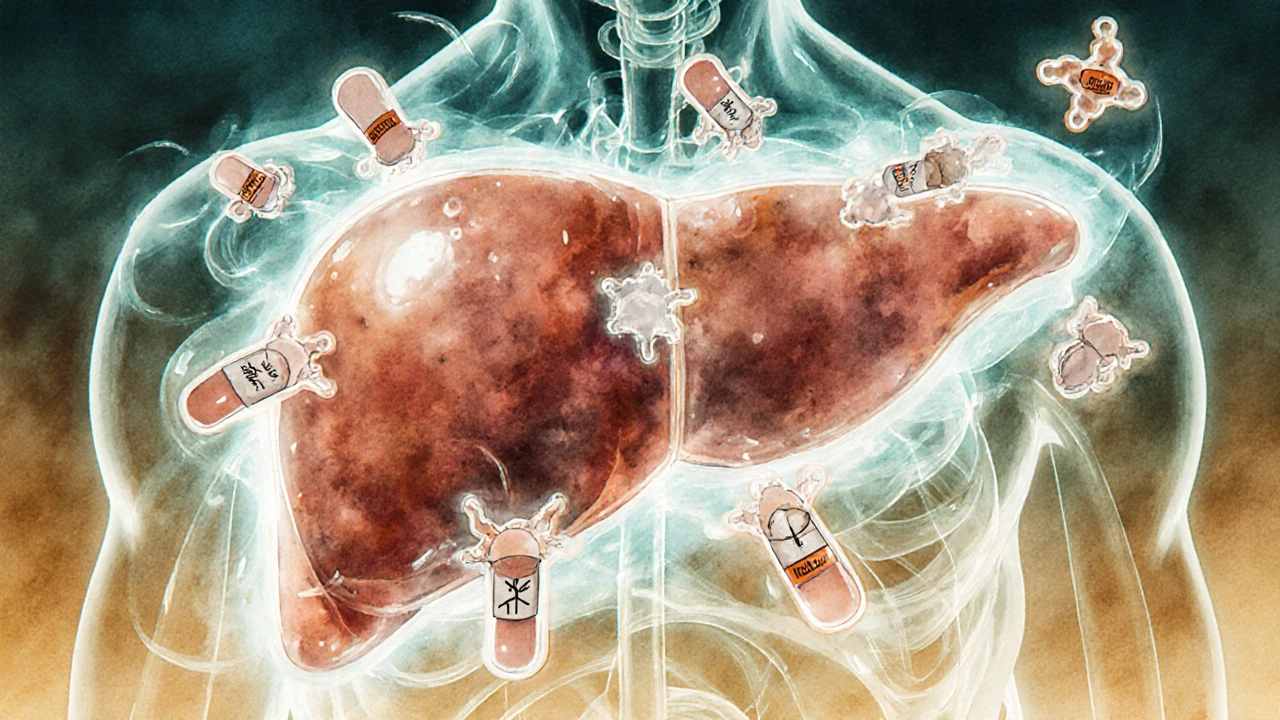
Milk thistle may help liver health, but it can interfere with medications metabolized by the liver. Learn how silymarin affects CYP enzymes and what to watch for if you're on warfarin, statins, or other common drugs.
Read MoreLiver Enzymes: What They Mean, Why They Matter, and What to Do
When your blood test shows liver enzymes, proteins produced by liver cells that leak into the bloodstream when the liver is stressed or damaged. Also known as liver function tests, these markers are one of the most common red flags doctors check—but they’re often misunderstood. High levels don’t always mean you have liver disease. They can spike after a heavy night out, a new medication, or even intense exercise. But ignoring them? That’s where trouble starts.
The two most common liver enzymes are ALT (alanine aminotransferase), a protein mostly found in liver cells that rises sharply when liver tissue is injured and AST (aspartate aminotransferase), a similar enzyme that’s also present in muscles and the heart. If ALT is higher than AST, it’s a stronger sign the liver itself is under pressure. Then there’s alkaline phosphatase, an enzyme tied to bile ducts that rises when flow is blocked, and bilirubin, a waste product the liver clears—if it doesn’t, your skin and eyes turn yellow. These aren’t random numbers. They’re clues.
Many people panic when they see "elevated" on their lab report. But a mild rise, especially if it’s temporary, might just mean you’ve been drinking more than usual, took a new painkiller, or didn’t sleep well. On the flip side, a persistent climb—even if it’s just a little—could point to fatty liver, hepatitis, or even early-stage damage from medications you didn’t think could hurt your liver. The key isn’t just the number. It’s the pattern. Did it go up after starting a new drug? Did it drop after cutting back on alcohol? Did it stay high for months? That’s the story your doctor needs to hear.
You’ll find posts here that break down how antibiotics, weight loss supplements, and even common heart or mental health meds can affect these enzymes. Some people see spikes from herbal products they thought were "safe." Others learn why their cholesterol meds or antidepressants are quietly stressing their liver. There are guides on how to talk to your doctor about these results, what tests come next, and which lifestyle changes actually make a difference—not just vague advice like "eat healthy." This isn’t about fear. It’s about knowing what’s real, what’s noise, and what to do next.