Learn how insurance companies enforce generic drug substitution, when you can keep your brand-name medication, and how to handle unexpected switches safely and legally.
Read MorePharmacy Substitution: What It Is and How It Affects Your Medications
When your pharmacist hands you a different pill than what your doctor wrote on the prescription, that’s pharmacy substitution, the practice of replacing a brand-name drug with a chemically identical generic version. Also known as drug interchange, it’s meant to cut costs—but it’s not always harmless. Many people assume generics are just cheaper versions of the same thing. And in most cases, they are. But not all substitutions are created equal, and some can change how your body responds to treatment.
Take generic drugs, medications approved by health regulators as equivalent to brand-name versions in dose, strength, and route of administration. The FDA and similar agencies require them to have the same active ingredient. But fillers, coatings, and release rates can differ. For drugs with narrow therapeutic windows—like warfarin, lithium, or thyroid meds—those tiny differences matter. A study from the New England Journal of Medicine found that switching between different generic versions of levothyroxine caused measurable changes in thyroid hormone levels in nearly 1 in 5 patients. That’s not a glitch. It’s a known risk.
Then there’s therapeutic equivalence, the official rating that says two drugs can be swapped without affecting outcomes. Not all generics carry this rating. Some are only rated as "bioequivalent," meaning they work similarly in most people, but not guaranteed for everyone. If you’re on multiple meds, have kidney or liver issues, or are elderly, your body processes drugs differently. What works for your neighbor might cause side effects for you.
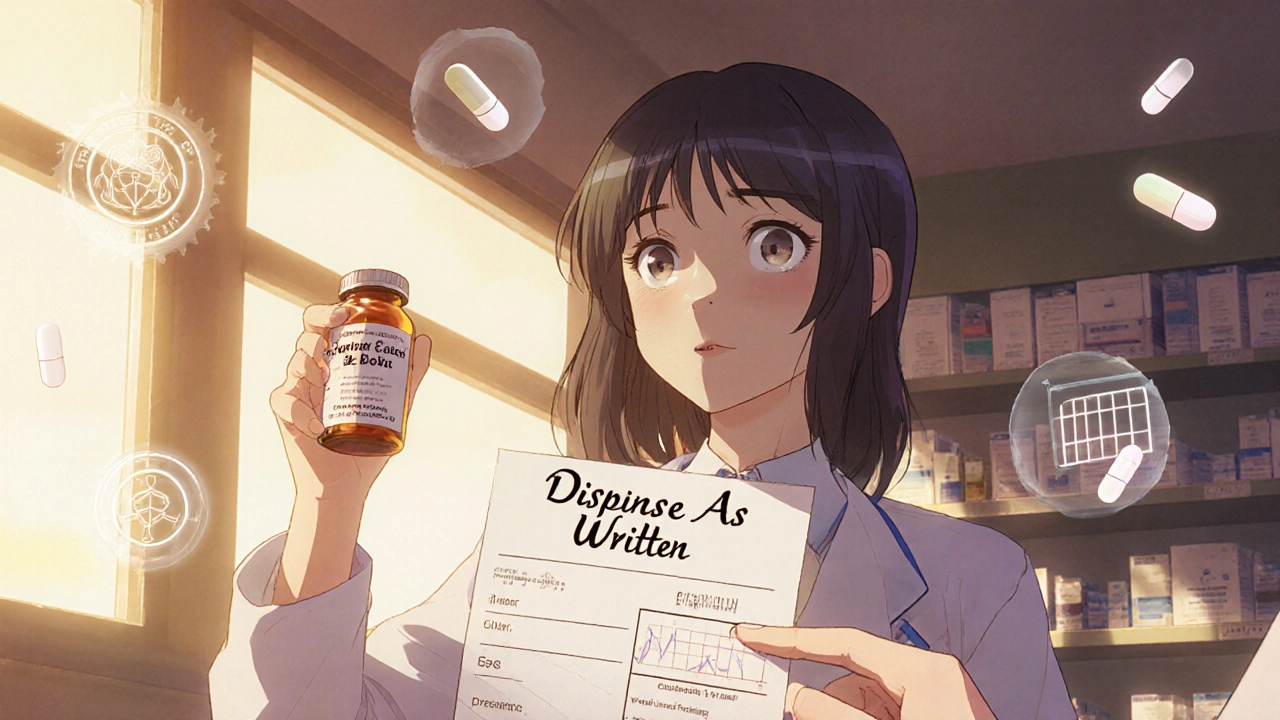
Pharmacy substitution isn’t bad by design. It keeps healthcare affordable. But it should never be automatic. You have the right to ask: "Is this the same as what my doctor prescribed?" and "Can I stick with the brand if I’ve had issues before?" Many doctors write "dispense as written" or "do not substitute" on prescriptions for good reason. If you’ve ever felt off after a refill change—fatigue, dizziness, worsening symptoms—it might not be in your head. It could be the pill.
Below, you’ll find real comparisons between medications and their alternatives—from asthma inhalers to erectile dysfunction treatments—where substitution decisions actually impact daily life. Some swaps are safe. Others carry hidden risks. We break down what works, what doesn’t, and when to push back.