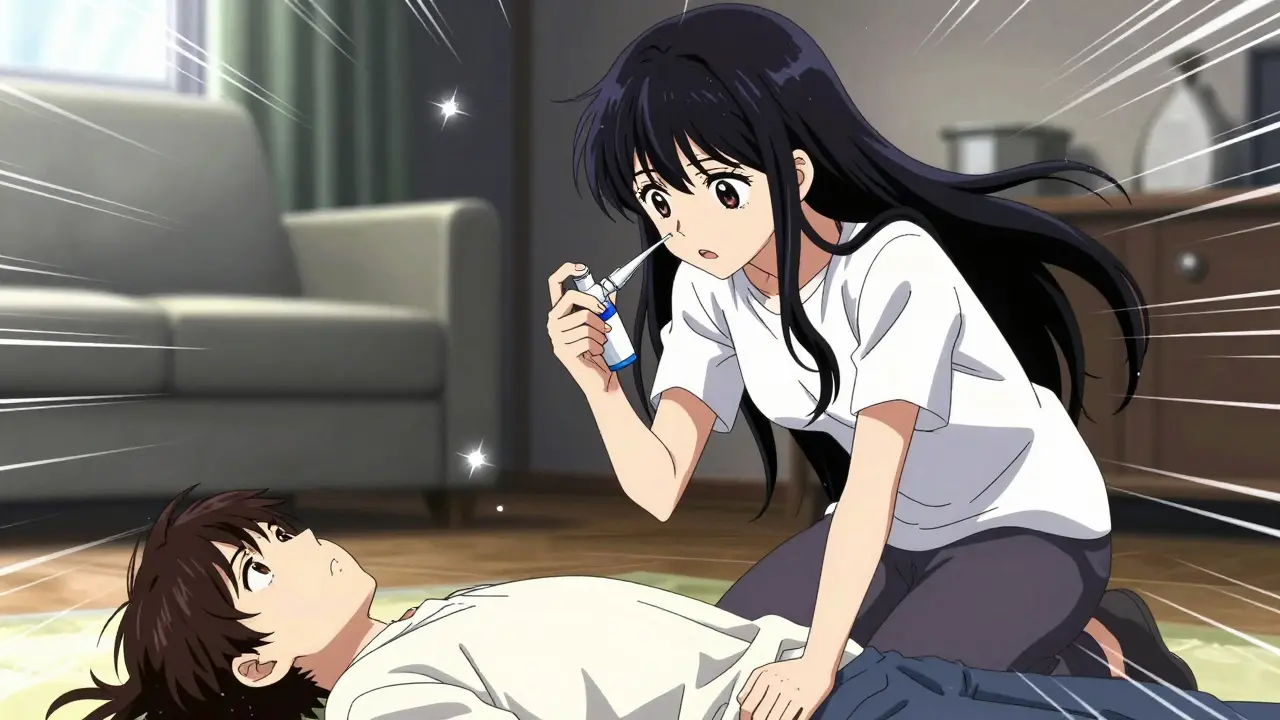
Imagine you just swallowed too many painkillers or found someone unresponsive after taking opioids. Your heart races. You know you need to act fast, but what exactly do you do? Do you induce vomiting? Wait for symptoms to appear? Or is there a specific medicine that can reverse the damage before it becomes permanent?
The answer isn't always obvious, and getting it wrong can be dangerous. This guide cuts through the noise to explain how antidotes work for the most common medication overdoses. We will look at exactly which treatments exist, when they are effective, and why calling for professional help remains the single most important step you can take.
What Is an Antidote and How Does It Work?
An antidote is a therapeutic agent designed to counteract the toxic effects of a specific substance by neutralizing, binding, or reversing its pharmacological actions. Think of it like a key that unlocks a jammed door, or a sponge that soaks up a spill. Unlike general supportive care (like oxygen or IV fluids), an antidote targets the specific chemical causing the problem.
These medicines don't work on everything. There is no universal "cure-all" pill for poisoning. Each antidote is matched to a specific toxin. For example, the treatment for an opioid overdose is completely different from the treatment for an acetaminophen overdose. Understanding this specificity helps you avoid dangerous myths, like trying to treat a drug overdose with home remedies that have no scientific basis.
Historically, the concept of antidotes has evolved significantly. In the past, treatments were often guesswork. Today, protocols are maintained by authoritative bodies like the American College of Medical Toxicology and the World Health Organization's International Programme on Chemical Safety. These organizations ensure that the information you receive is based on current clinical evidence, not old wives' tales.
Opioid Overdose and Naloxone
Opioid overdose is one of the most critical emergencies because it stops breathing. Opioids like morphine, oxycodone, heroin, and fentanyl bind to receptors in the brain that slow down respiration. If the person stops breathing, brain damage can occur within minutes.
The antidote for this is Naloxone, also known by brand names like Narcan and Kloxxado. Naloxone works by kicking the opioid molecules off those brain receptors, allowing breathing to restart. It is highly effective; data from SAMHSA shows it reverses opioid overdose in about 92% of cases when given quickly.
| Attribute | Detail |
|---|---|
| Dosage Form | Intranasal spray (most common for laypeople) or injection |
| Dose | 0.04-0.4 mg intranasally or intramuscularly |
| Frequency | Repeat every 2-3 minutes if no response |
| Duration of Effect | 30-90 minutes (shorter than many opioids) |
| Availability | Over-the-counter in many regions; free via community programs |
Here is the catch: Naloxone wears off faster than many opioids. A person might wake up, breathe normally, and then slip back into unconsciousness as the naloxone leaves their system. This is called "renarcotization." That is why you must call emergency services immediately after administering naloxone. It is a bridge to hospital care, not a cure.
If you are using nasal spray, aim it into one nostril while the other is pinched shut. The person may become agitated or combative as they wake up abruptly. This is normal. Keep them calm and in the recovery position (on their side) to prevent choking if they vomit.
Acetaminophen (Paracetamol) and N-Acetylcysteine
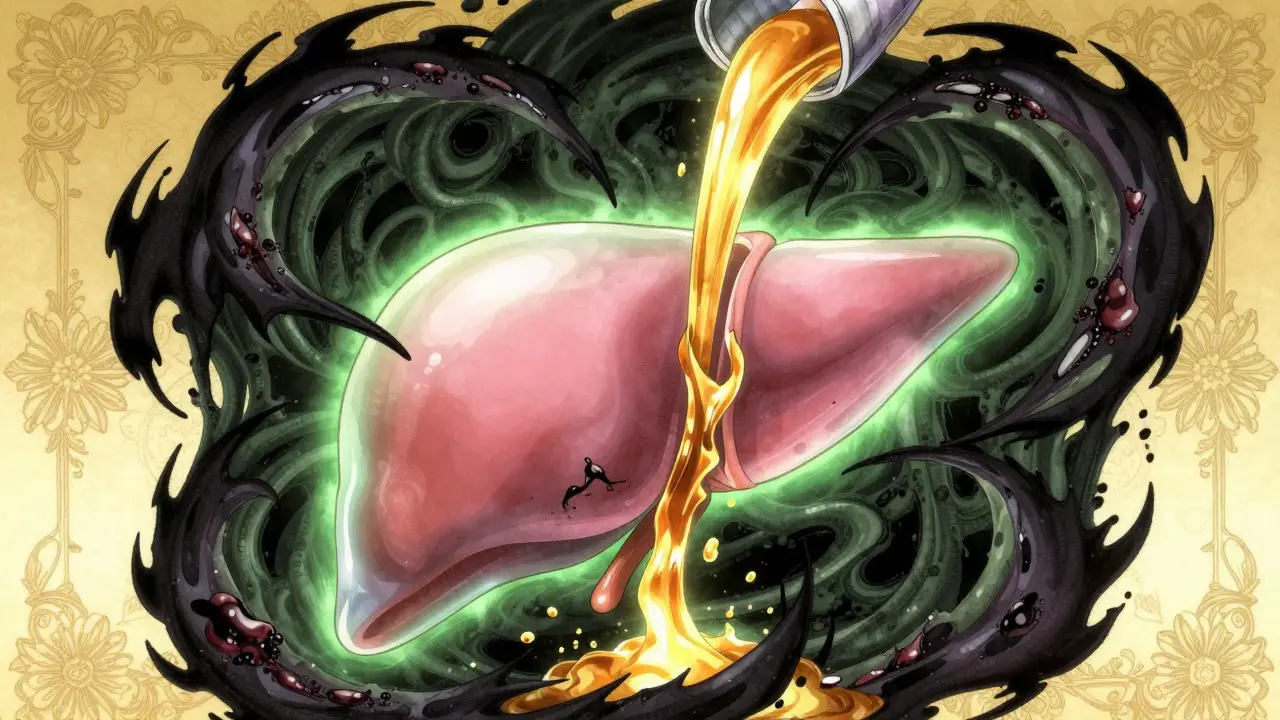
Acetaminophen overdose is tricky because it doesn't make you feel sick right away. You might take too much Tylenol or Panadol, feel fine, and go to bed. But inside your liver, a toxic metabolite is building up. By the time you feel nausea or abdominal pain, significant liver damage may have already occurred.
The antidote here is N-acetylcysteine (NAC). NAC replenishes glutathione, a natural antioxidant in your liver that detoxifies harmful substances. It is incredibly effective-up to 98% efficacy-if started within eight hours of ingestion.
Timing is everything. Doctors use a chart called the Rumack-Matthew nomogram to decide if you need treatment. They measure the level of acetaminophen in your blood four hours after you took the pills. If that number falls above a certain line, you get NAC.
Treatment usually involves an IV drip over 21 hours. Oral NAC exists but tastes terrible (like rotten eggs) and makes many people vomit, which complicates treatment. Because of this, hospitals prefer the IV route. If you suspect an overdose, do not wait for symptoms. Go to the emergency department immediately. Every hour counts.
Benzodiazepines and Flumazenil: Use With Caution
Benzodiazepines, such as diazepam (Valium) or alprazolam (Xanax), are sedatives. An overdose causes extreme drowsiness, confusion, and slowed breathing. It is tempting to think there should be an "off switch" for these drugs, and technically, there is: Flumazenil.
However, doctors rarely use flumazenil outside of controlled hospital settings, and even then, they are very cautious. Why? Because flumazenil can trigger severe withdrawal seizures in people who take benzodiazepines regularly. If a chronic user suddenly has the drug reversed, their brain can misfire violently.
Additionally, if the person took a mix of drugs-including antidepressants that lower the seizure threshold-flumazenil can cause life-threatening complications. For most benzodiazepine overdoses, supportive care (monitoring breathing and providing oxygen) is safer and more effective than forcing reversal with flumazenil.
Toxic Alcohols: Methanol and Ethylene Glycol
This category covers antifreeze (ethylene glycol) and windshield washer fluid or illicit alcohol (methanol). These substances look like water or spirits but are deadly. They break down into acids that destroy the kidneys and optic nerves.
The preferred antidote is Fomepizole. It works by blocking the enzyme that turns these alcohols into their toxic byproducts. It is expensive (around $4,000 per course) but safe and easy to dose. In resource-limited settings, ethanol (drinking alcohol) can be used as an alternative because it competes for the same enzyme, effectively buying time for dialysis to remove the toxins. However, fomepizole is preferred due to fewer side effects and easier monitoring.
Other Critical Antidotes
While the above are the most common, other specific antidotes exist for different scenarios:
- Methemoglobinemia: Caused by chemicals like benzocaine or nitrites. The blood loses its ability to carry oxygen. The antidote is Methylene Blue, given IV.
- Organophosphate Poisoning: Found in some pesticides. Treated with Atropine and pralidoxime.
- Digoxin Toxicity: From heart medication overdose. Treated with Digoxin Immune Fab.
For all of these, diagnosis requires blood tests and expert interpretation. Self-treating is impossible without knowing the exact toxin involved.
Immediate Steps for Suspected Overdose
If you suspect someone has taken too much medication, follow this sequence:
- Call Emergency Services: Dial your local emergency number (911 in the US, 999 in the UK, 112 in Europe). Tell them what was taken, how much, and when.
- Contact Poison Control: In the US, call 1-800-222-1222. In the UK, contact NHS 111 or your local toxicology unit. They provide free, expert advice 24/7.
- Do Not Induce Vomiting: Unless instructed by a professional, do not make the person throw up. This can cause aspiration (inhaling vomit into the lungs), which is often more dangerous than the poison itself.
- Administer Naloxone if Applicable: If you suspect an opioid overdose and have naloxone, use it immediately.
- Keep Them Awake and Safe: If conscious, keep them upright. If unconscious but breathing, place them in the recovery position on their side.
Prevention and Preparedness
The best antidote is prevention. Store medications out of reach of children. Use pill organizers to avoid double-dosing. Be aware that many cold and flu medicines contain acetaminophen, leading to accidental overdoses when combined with painkillers.
If you or someone you know struggles with opioid use, consider carrying naloxone. Many pharmacies now sell it without a prescription. Community health providers often offer free kits and training. Knowing how to use it could save a life.
Can I buy antidotes over the counter?
Only naloxone (for opioid overdose) is widely available over the counter in many countries, including the US and parts of Europe. Other antidotes like N-acetylcysteine or flumazenil require a prescription and medical supervision due to complex dosing and potential side effects.
How long does naloxone last?
Naloxone typically lasts 30 to 90 minutes. Since many opioids last longer, the person may stop breathing again after the naloxone wears off. Multiple doses may be needed, and emergency medical care is essential.
Is it safe to give naloxone to someone who hasn't taken opioids?
Yes. Naloxone has no effect on people who have not taken opioids. It is safe to administer if you are unsure of the cause of unconsciousness, especially if respiratory depression is present.
Why shouldn't I use flumazenil at home?
Flumazenil can cause seizures in people who are dependent on benzodiazepines or who have taken mixed drugs. It requires continuous cardiac monitoring and should only be used in a hospital setting under strict medical guidance.
What should I do if I accidentally take too much acetaminophen?
Seek medical attention immediately, even if you feel fine. Liver damage from acetaminophen is silent in the early stages. Treatment with N-acetylcysteine is most effective if started within 8 hours of ingestion.