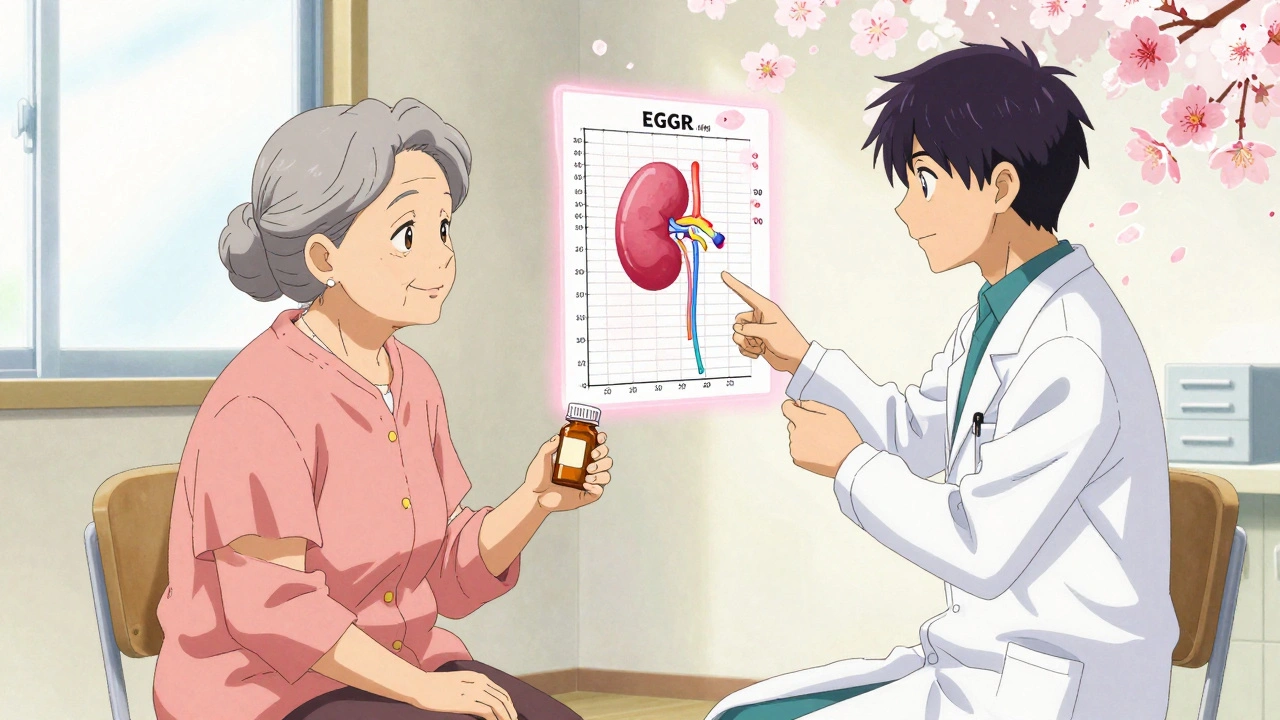
Medication dosing isn't one-size-fits-all. Age, weight, and kidney function all change how your body handles drugs. Learn why adjusting doses matters-and how to make sure you're getting the right amount.
Read MoreAge-Related Dosing: How Medication Needs Change as You Get Older
When you’re younger, a pill works the same way whether you’re 25 or 65. But as you age, your body changes — and so should your meds. Age-related dosing, the practice of adjusting medication amounts based on how aging affects the body’s ability to absorb, process, and eliminate drugs. It’s not just about taking less — it’s about taking smarter. Your liver and kidneys don’t work as fast. Fat and muscle ratios shift. And your brain becomes more sensitive to certain drugs. That’s why a dose that’s safe for a 40-year-old could be dangerous for a 70-year-old.
Polypharmacy in older adults, the use of multiple medications at once is common — and risky. One study found that over 40% of seniors take five or more prescription drugs daily. Each one adds up. A blood pressure pill might interact with a painkiller. An antidepressant might make dizziness worse. And if you’re also taking supplements like milk thistle or green coffee extract, things get even trickier. These aren’t just side effects — they’re preventable errors. That’s why elderly medication, medications specifically tailored for older patients to minimize harm and maximize benefit requires careful review, not just routine refills.
It’s not just about the pills. Your body’s pharmacokinetics in aging, how drugs move through the body as you get older — including absorption, distribution, metabolism, and excretion changes in ways most people don’t realize. Water content drops. Fat increases. Liver enzymes slow down. Kidneys filter less. That means drugs stick around longer. A standard dose of a sleeping pill or a heart med can build up to toxic levels. And because older adults often have multiple conditions, the risk of drug interactions, harmful reactions between medications skyrockets. That’s why some meds that are fine for younger people are outright avoided in seniors.
What you’ll find here isn’t theory. These are real stories from people who’ve been there — the senior who nearly had a stroke from mixing blood thinners, the grandparent who stopped taking a pill because it made them dizzy, the pharmacist who spotted a dangerous combo no doctor caught. You’ll see how low-dose CT scans for lung cancer, insulin for diabetes, and even inhalers for COPD all need special consideration as you age. You’ll learn how to talk to your doctor about deprescribing, how to spot red flags in your own meds, and why storing pills properly matters just as much as taking them right. This isn’t about fear. It’s about control. With the right info, you can stay healthy — without letting pills run your life.