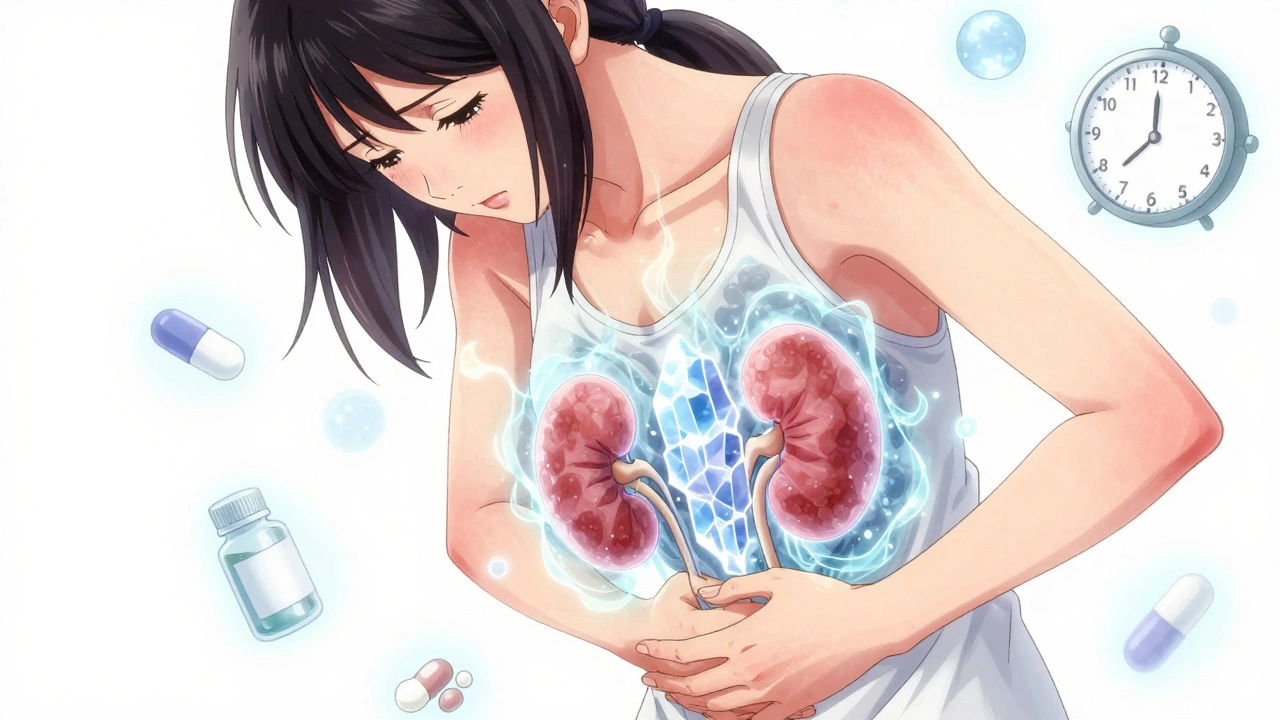
Medication-induced acute interstitial nephritis is a hidden cause of kidney damage. Learn the real signs, top drugs that trigger it, and what to do before permanent injury occurs.
Read MoreAIN Symptoms: What They Are, Why They Matter, and What to Do Next
When your kidneys start sending warning signs, it’s often quiet—no screaming pain, no obvious crash. That’s the danger of acute interstitial nephritis, a sudden inflammation of the kidney’s supporting tissue that can damage function if missed. Also known as AIN, this condition doesn’t always show up on routine blood tests, but when it does, it’s often because of something you took—like an antibiotic, NSAID, or even a supplement you thought was harmless. It’s not rare. In fact, studies show up to 15% of sudden kidney failures in hospitals trace back to AIN, and many of those cases are tied to medications people take without realizing the risk.
What do AIN symptoms actually look like? They’re messy. You might feel tired, lose your appetite, or notice your urine is darker or foamy. Some people get a low-grade fever or a rash—especially if it’s triggered by a drug. Others don’t feel anything at all until their creatinine levels spike during a checkup. The tricky part? These signs overlap with so many other things: the flu, dehydration, even stress. That’s why doctors often miss it. But if you’ve recently started a new medication and your energy dropped or your swelling didn’t go away, AIN should be on the table. It’s not just about the kidneys—it’s about how drugs interact with your body’s filtering system, and what happens when that system gets overwhelmed.
It’s not just pills. Even herbal products like milk thistle, a supplement often used for liver support can play a role, especially if you’re already on other meds that affect kidney clearance. And if you’ve got an autoimmune condition like psoriasis, a chronic skin disorder linked to immune system overactivity, your risk might be higher—your body’s already on edge, and a new trigger can push it into overdrive. The good news? If caught early, AIN often reverses once the trigger is removed. No surgery. No lifelong dialysis. Just a clear diagnosis and a stop signal on the offending drug.
What you’ll find below are real, practical posts that connect the dots between common medications, hidden side effects, and how your body responds when things go wrong. From how antibiotics can quietly wreck kidney function to why your insurance might block a generic that could’ve saved you from a bad reaction, these articles don’t just list facts—they show you how to spot trouble before it becomes a crisis. You won’t find fluff here. Just what you need to understand your body’s signals, ask the right questions, and protect your kidneys before it’s too late.