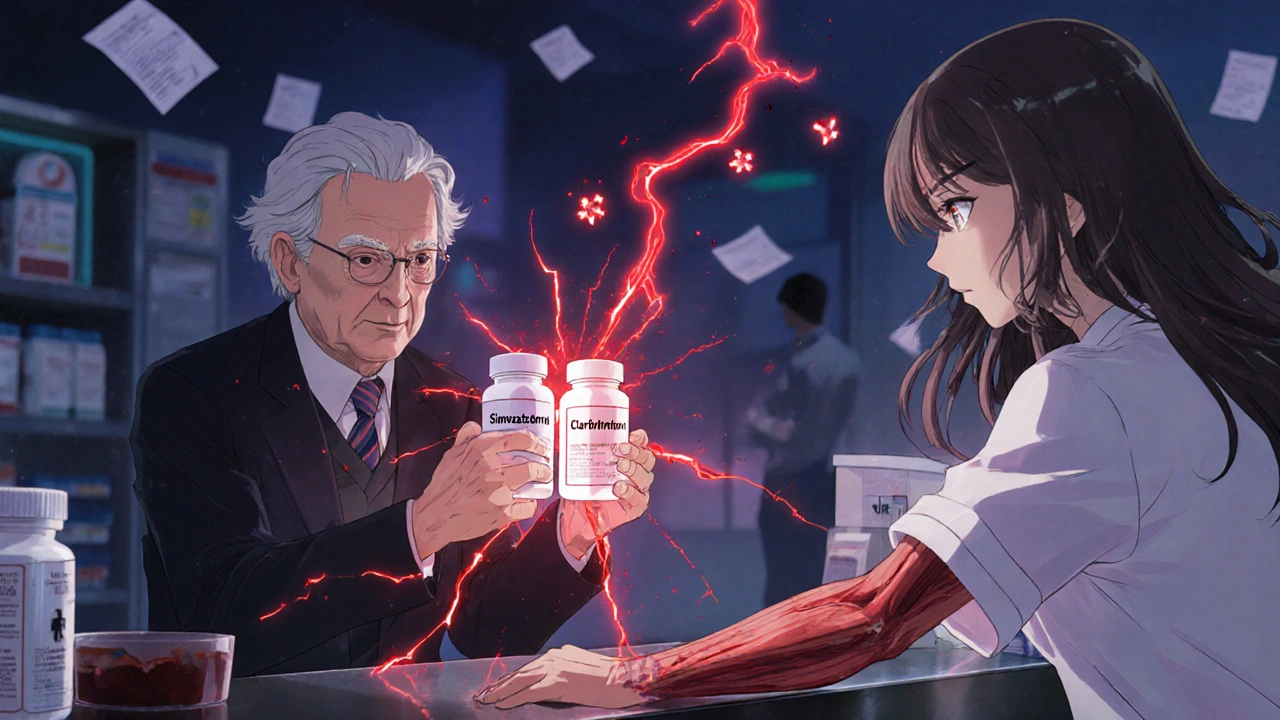
Some drug combinations can be deadly - and pharmacists often miss them. Learn the top dangerous interactions, why they’re overlooked, and how to protect yourself from preventable harm.
Read MoreDangerous Medication Combinations: What You Need to Know Before Mixing Drugs
When you take more than one medication, you’re not just adding effects—you’re creating new ones. dangerous medication combinations, mixes of drugs that trigger harmful reactions when taken together. Also known as drug interactions, these can turn a safe treatment into a medical emergency. It’s not just about prescription pills. Supplements, over-the-counter painkillers, and even grapefruit juice can clash with your meds in ways you’d never expect.
One of the most common trouble zones is the liver enzymes, proteins in the liver that break down drugs so your body can eliminate them. Also known as CYP450 enzymes, they’re like a busy highway for medications. If one drug slows down this highway—like milk thistle or grapefruit juice—other drugs pile up and flood your system. That’s how someone on blood thinners like warfarin ends up with internal bleeding after adding a herbal supplement. Or how a statin for cholesterol turns toxic when mixed with certain antibiotics. These aren’t rare cases. They happen every day because people assume if it’s natural or sold over the counter, it’s harmless.
antibiotic interactions, when antibiotics change how other drugs behave in your body are another silent risk. Take azithromycin with a heart rhythm drug, and you could trigger a dangerous arrhythmia. Or combine doxycycline with antacids—your antibiotic won’t work at all. Even something as simple as ibuprofen with high blood pressure meds can spike your kidney risk. And if you’re on five or more pills, you’re dealing with polypharmacy, the use of multiple medications at once, often without clear oversight. Also known as medication overload, it’s a growing problem, especially in older adults. The more meds you take, the higher the chance one will mess with another—sometimes in ways no doctor even thinks to check.
It’s not about avoiding meds. It’s about knowing what’s in your medicine cabinet and who’s managing it. Many people don’t tell their doctor about supplements. Others refill prescriptions without asking if new drugs are safe with their old ones. But a dangerous combination doesn’t announce itself. It sneaks in quietly, often after weeks of taking everything as directed. That’s why the real solution isn’t just knowing the risks—it’s asking the right questions before you take anything new.
Below, you’ll find real, detailed guides on specific drug clashes—from milk thistle and liver enzymes to antibiotics, ED meds, and antidepressants. Each post breaks down exactly what happens when things mix, who’s at risk, and what safer options exist. No theory. No guesswork. Just facts from real cases and studies. Whether you’re on blood pressure meds, antidepressants, or just taking a daily supplement, this collection gives you the tools to spot trouble before it starts.