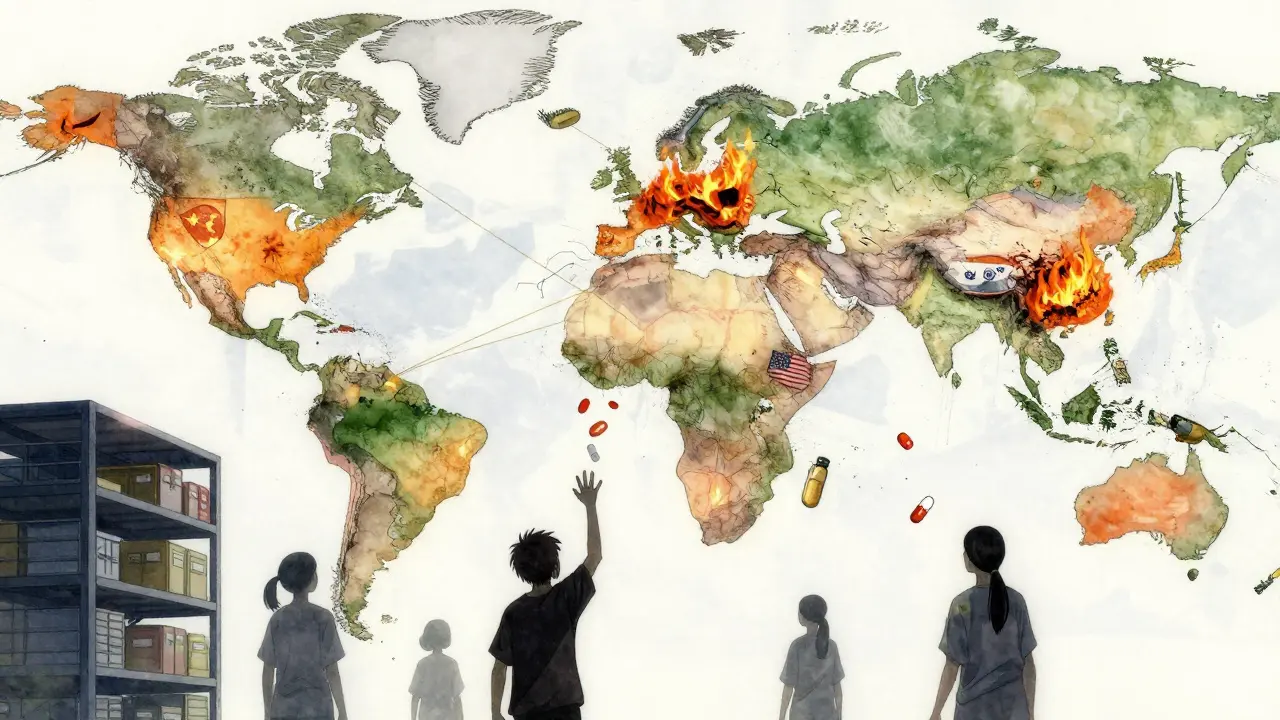
Drug shortages are worsening due to global supply chain fragility, aging infrastructure, and lack of investment in generics. Forecasting tools exist but are underused. Without action, critical medicines will become harder to find by 2030.
Read MoreDrug Shortages: Why Medications Disappear and What It Means for Your Health
When your pharmacy says drug shortages, a situation where the supply of a medication falls below demand, leaving patients without access to needed treatments. Also known as medication shortages, it’s not just an inconvenience—it’s a health risk that hits people with chronic conditions hardest. This isn’t rare. In 2023, over 300 drugs were in short supply in the U.S. alone, including antibiotics, insulin, blood pressure pills, and even basic pain relievers. These aren’t niche drugs—they’re the ones millions rely on daily.
pharmaceutical supply chain, the complex network of manufacturers, distributors, and regulators that gets drugs from labs to your medicine cabinet is fragile. A single factory shutdown, raw material shortage, or regulatory delay can ripple across the country. Many generic drugs are made overseas, and if one plant in India or China has a quality issue, the entire U.S. supply can freeze. Even small changes in manufacturing—like switching a machine or adjusting a formula—require FDA approval, which can take months. Meanwhile, generic drug availability, the consistent supply of lower-cost versions of brand-name medications is often the first to drop because manufacturers have thin profit margins and no incentive to keep extra stock on hand.
It’s not just about running out of pills. Drug shortages force doctors to switch treatments, which can mean more side effects, worse control of your condition, or even hospital visits. A diabetic might get a different insulin that doesn’t work as well. Someone on blood thinners could be switched to a drug that interacts with their other meds. Kids with asthma might get a substitute inhaler that doesn’t deliver the same dose. These aren’t theoretical risks—they’re happening right now, and they’re preventable.
What can you do? Know your meds. If you’re on a drug that’s been on shortage lists before—like levothyroxine, methylphenidate, or hydrochlorothiazide—ask your pharmacist if there’s a backup. Keep a 30-day supply if possible. Don’t wait until your last pill is gone to call. And if your insurance suddenly denies your usual generic, push back—prescription delays, when patients can’t get their meds on time due to supply or insurance issues are often avoidable with a simple appeal.
The posts below cover real cases where drug shortages collided with health risks—like how missing a kidney medication can trigger sudden injury, or why a switch in asthma inhalers can lead to dangerous flare-ups. You’ll find practical advice on spotting shortages early, talking to your provider about alternatives, and protecting your treatment when the system fails. This isn’t about panic. It’s about knowing your rights, your meds, and how to keep yourself safe when the supply chain breaks down.
9
Dec
How to Check FDA Drug Shortage Database for Medication Availability
Learn how to use the FDA Drug Shortage Database to check if your medication is in short supply, understand why it's unavailable, and find alternatives. Official, free, and updated daily.
Read More