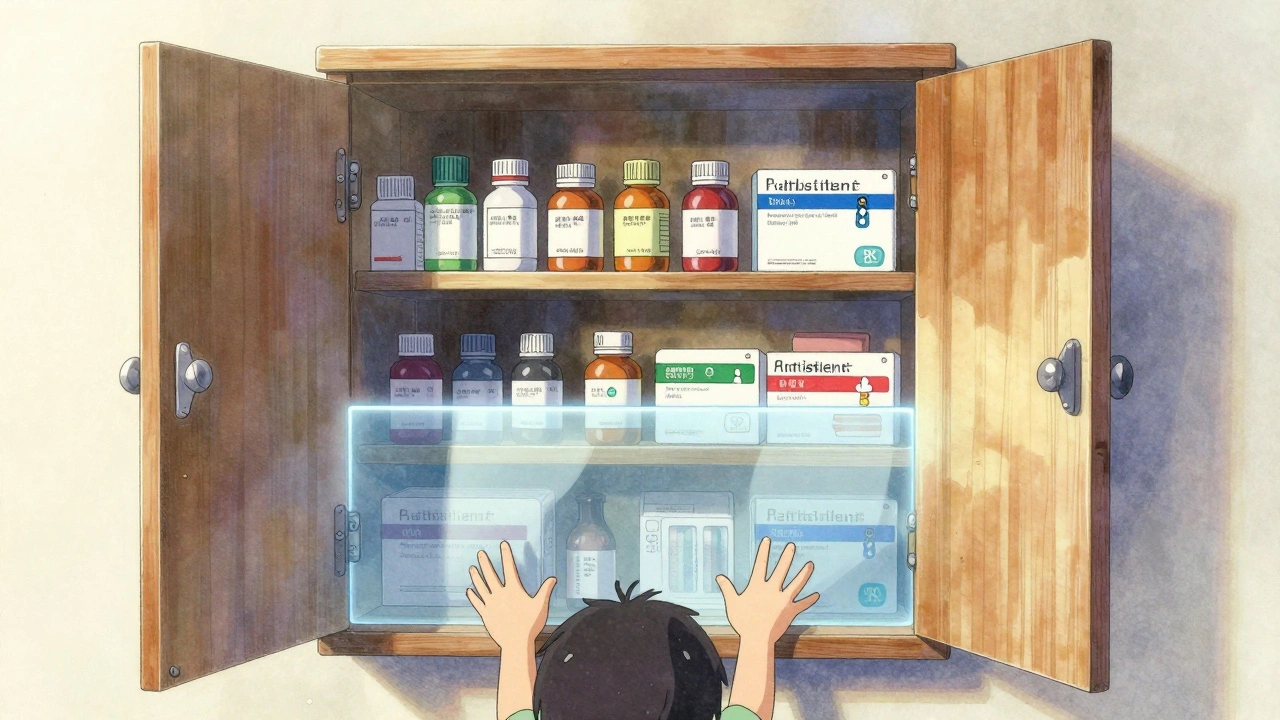
Learn how to safely store OTC medicines at home to prevent accidental poisoning, teen misuse, and expired drug risks. Step-by-step guide for families with kids and teens.
Read MoreExpired Medication Disposal: Safe Ways to Get Rid of Old Pills and Avoid Harm
When you find old pills in your medicine cabinet, expired medication disposal, the process of safely removing unused or out-of-date drugs from your home. Also known as proper medicine disposal, it’s not just about cleaning up—it’s about stopping accidental poisonings, preventing misuse, and keeping harmful chemicals out of water supplies. Most people don’t realize that flushing pills down the toilet or throwing them in the trash can hurt wildlife, contaminate drinking water, and even lead to drug abuse by teens or visitors in your home.
It’s not just about the pills themselves. pharmaceutical waste, the leftover drugs that end up in landfills, sewers, or homes is a growing public health issue. The FDA and EPA agree: improper disposal contributes to antibiotic resistance, environmental toxins, and accidental overdoses. Even if a pill looks fine, its potency drops over time. A 2012 study by the FDA found that many expired medications lose effectiveness—sometimes dramatically. That means your old painkiller might not work when you need it, and your expired blood pressure pill could be doing more harm than good.
So what should you do? drug disposal, the correct method of removing medications from your possession isn’t guesswork. The safest route is a drug take-back program—pharmacies, hospitals, or police stations that collect old meds for proper destruction. If that’s not available, mix pills with coffee grounds or cat litter, seal them in a container, and toss them in the trash. Never crush pills unless instructed. And always remove labels to protect your privacy.
Some people think keeping old meds "just in case" is smart. But that’s risky. One in five accidental poisonings in kids comes from unlocked medicine cabinets. And if you’re on multiple prescriptions, mixing old and new drugs can lead to dangerous interactions. We’ve seen posts here about how estrogen affects warfarin, how MAOIs need strict food rules, and how kidney function changes dosing. If you’re still holding onto last year’s antibiotics or that migraine pill from 2021, you’re playing with fire.
Proper disposal isn’t complicated, but it’s often ignored. You don’t need special tools. You don’t need to wait for a campaign. Start today. Check your bathroom cabinet. Look in your purse. Look under the sink. If it’s expired, unused, or you don’t remember why you kept it—dispose of it. Your family, your community, and the planet will thank you.
Below, you’ll find real, practical advice from trusted sources on how to handle old meds safely, what to avoid, and how to protect yourself from the hidden dangers of cluttered medicine cabinets.