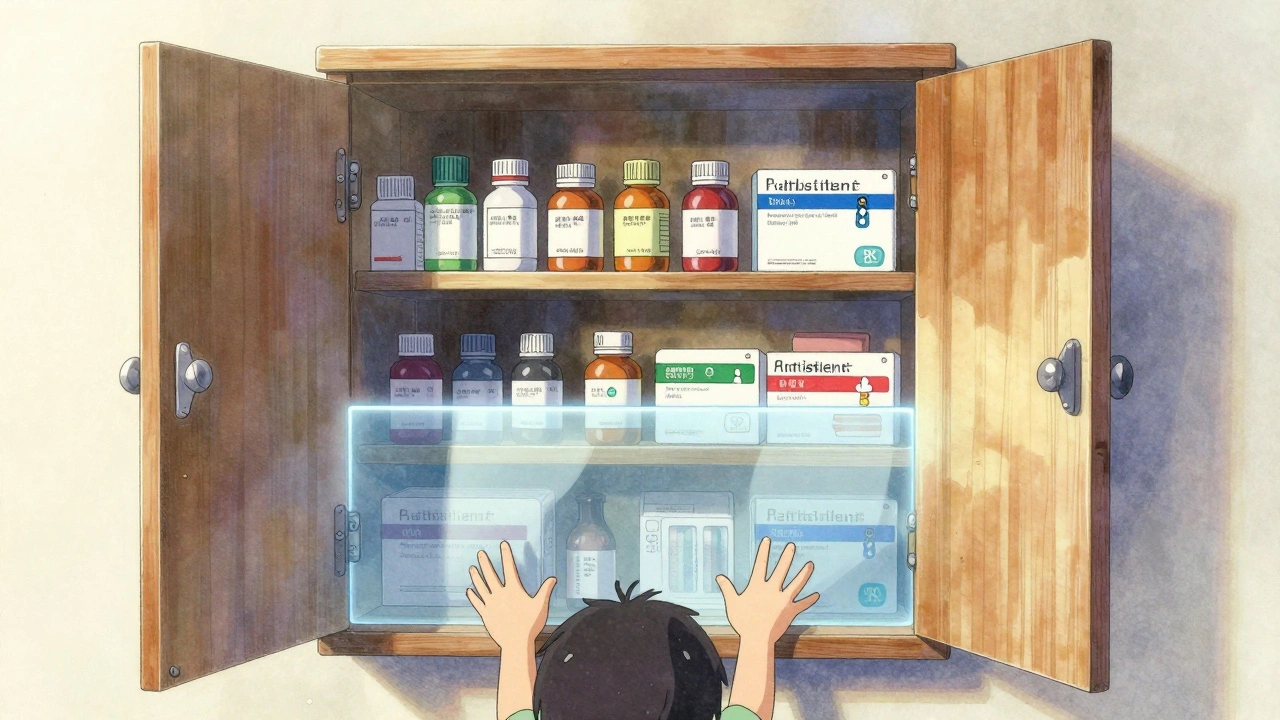
Learn how to safely store OTC medicines at home to prevent accidental poisoning, teen misuse, and expired drug risks. Step-by-step guide for families with kids and teens.
Read MoreFamily First Aid Kit: Essentials for Home Emergencies
When something goes wrong at home—whether it’s a burn, a cut, or a sudden allergic reaction—a family first aid kit, a curated collection of supplies designed to handle common injuries and medical emergencies in a household setting. Also known as a home first aid kit, it’s not just a box of bandages—it’s your first line of defense until professional help arrives. Many people think they don’t need one if no one in the house has chronic conditions. But accidents don’t wait for perfect timing. A slipped knife, a child’s fall, a bee sting, or a medication mix-up can happen in seconds. And having the right tools ready cuts panic, reduces risk, and can even save a life.
What goes into a family first aid kit, a curated collection of supplies designed to handle common injuries and medical emergencies in a household setting. Also known as home first aid kit, it’s not just a box of bandages—it’s your first line of defense until professional help arrives. isn’t guesswork. It’s built on what actually works. You need clean, sterile items for wounds: gauze pads, adhesive tape, non-stick dressings, and antiseptic wipes. You need tools: tweezers for splinters, scissors for cutting tape or clothing, and a digital thermometer. You need meds: pain relievers like acetaminophen or ibuprofen, antihistamines for reactions, and hydrocortisone cream for rashes. And don’t forget the basics: latex-free gloves, a cold pack, and a first aid manual. Storing medications properly matters too—heat and moisture ruin pills fast. Keep them away from bathrooms and windows. A cool, dry drawer or cabinet works best.
Your kit should also include items for people with special needs. If someone takes daily meds, keep a list of names, doses, and allergies. If you have an infant, add a bulb syringe and infant fever reducer. If someone has asthma or an EpiPen, make sure it’s included and everyone knows how to use it. A wound care, the process of cleaning, protecting, and monitoring injuries to prevent infection and promote healing. Also known as injury management, it’s a core part of any effective first aid response. isn’t just about slapping on a bandage. It’s about knowing when to clean, when to cover, and when to call 911. And if you’ve ever had to search for a bandage in the dark during a panic, you know why visibility matters. Use clear containers. Label everything. Check expiration dates every six months.
Most people don’t realize how often their kits go stale. Bandages lose stickiness. Antiseptics break down. Pills expire. A medication storage, the practice of keeping pharmaceuticals in conditions that preserve their safety, potency, and effectiveness. Also known as drug stability practices, it’s often overlooked but just as critical as having the right items in the first place. isn’t just about keeping pills out of kids’ reach—it’s about keeping them effective. Heat, humidity, and light can turn a life-saving drug into a useless one. That’s why your kit should be part of your home’s regular maintenance, like checking smoke detectors. You wouldn’t ignore a broken alarm. Don’t ignore a forgotten first aid box.
Below, you’ll find real, practical advice from people who’ve been there—how to handle burns without scarring, what to do when a child swallows something they shouldn’t, how to tell if a cut needs stitches, and why storing meds in the bathroom is one of the biggest mistakes families make. No fluff. No theory. Just what works when it counts.