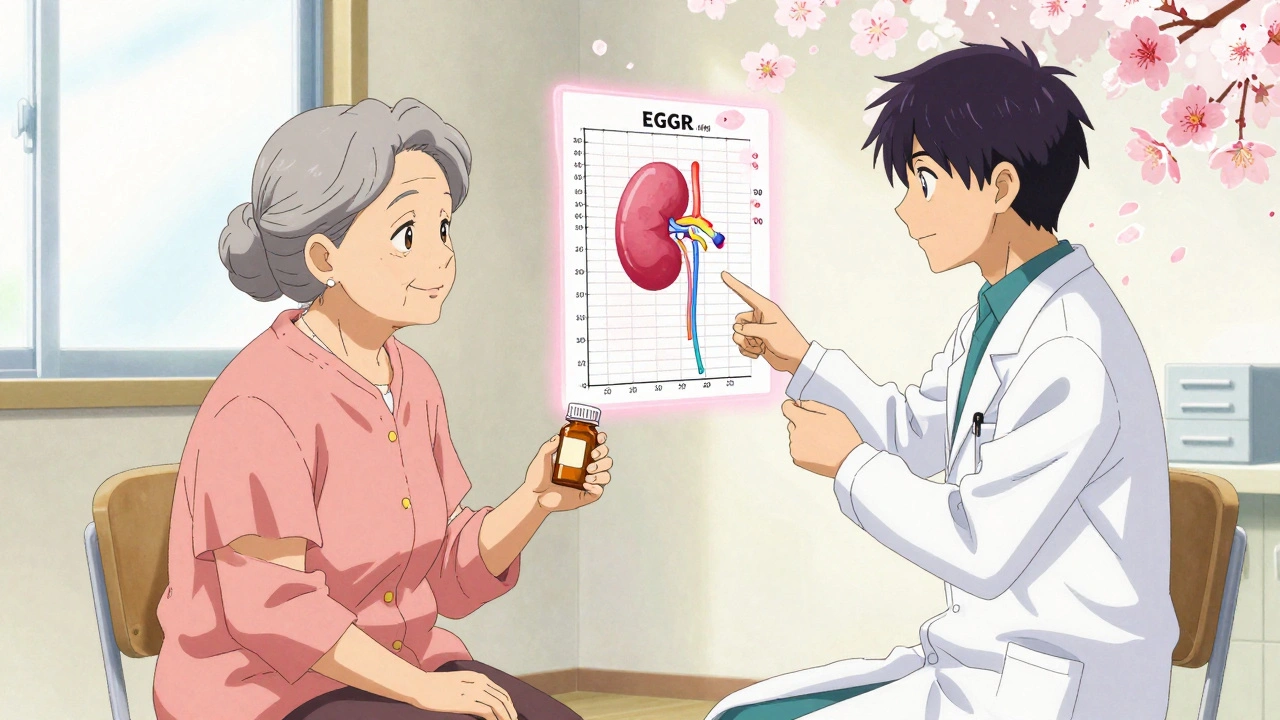
Medication dosing isn't one-size-fits-all. Age, weight, and kidney function all change how your body handles drugs. Learn why adjusting doses matters-and how to make sure you're getting the right amount.
Read MoreKidney Function Dosing: How Medications Adjust for Impaired Kidneys
When your kidney function, the ability of your kidneys to filter waste and regulate fluid balance in the body. Also known as renal function, it directly controls how long drugs stay in your system. If your kidneys aren’t working well, many medications build up to dangerous levels—leading to toxicity, dizziness, confusion, or even organ damage. This isn’t just about older adults or people with diagnosed kidney disease. Even mild decline from diabetes, high blood pressure, or long-term NSAID use can change how your body handles meds.
That’s where renal dosing, the practice of adjusting medication amounts based on kidney health comes in. Doctors don’t just guess—they use tests like eGFR, estimated glomerular filtration rate, a standard measure of kidney filtering speed to figure out your kidney’s capacity. If your eGFR drops below 60, many common drugs like antibiotics, painkillers, and blood pressure meds need lower doses or longer gaps between doses. For example, metformin for diabetes or certain antibiotics like ciprofloxacin can become risky if kidney function falls. Some meds, like those cleared mostly by the liver, don’t need changes—but others, like digoxin or lithium, are extremely sensitive and can cause poisoning even with small overdoses.
It’s not just about the dose. Timing matters too. If your kidneys clear drugs slowly, taking a pill every 8 hours instead of every 12 can turn a safe treatment into a harmful one. That’s why pharmacists now flag meds for patients with low eGFR in their systems. You might not notice kidney trouble until you feel awful—headaches, swelling, nausea, or confusion after starting a new med. These aren’t just side effects; they could be signs your body can’t process the drug. The good news? Catching this early means your doctor can switch you to a safer alternative or adjust your schedule. Many of the posts below show real cases where medication-induced kidney inflammation, drug interactions, or improper dosing led to hospital visits—and how simple changes prevented them.
What you’ll find here isn’t theory. It’s real-world examples: how antibiotics like dapsone or NSAIDs trigger kidney injury, why some generics need special attention in people with reduced kidney function, and how to spot when your meds might be doing more harm than good. Whether you’re managing diabetes, high blood pressure, or just taking daily pills, understanding kidney function dosing could stop a crisis before it starts.