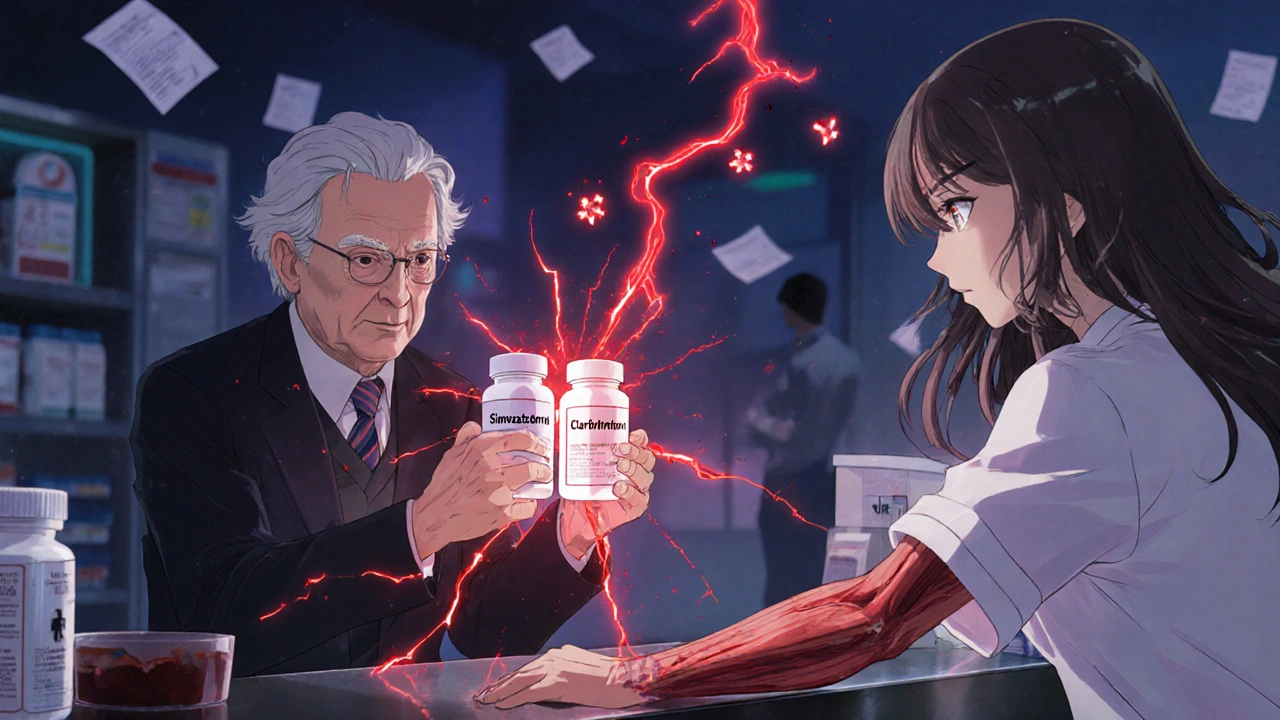
Some drug combinations can be deadly - and pharmacists often miss them. Learn the top dangerous interactions, why they’re overlooked, and how to protect yourself from preventable harm.
Read MoreMedication Risks: What You Need to Know About Side Effects and Drug Interactions
When you take a medication, a substance used to treat, cure, or prevent disease. Also known as drug, it can save your life—but it can also hurt you if you don’t understand how it behaves in your body. Every pill, injection, or inhaler comes with hidden dangers. Some interact with food, others with supplements, and many clash dangerously with other medicines you’re already taking. These aren’t rare accidents—they happen every day, often because people assume their doctor told them everything they needed to know.
Drug interactions, when two or more substances change how each other works in your body. Also known as medication clashes, they’re behind most hospital visits from routine prescriptions. Milk thistle might seem harmless, but it can mess with liver enzymes that break down warfarin, statins, or even birth control. Smoking weakens eplerenone’s effect on your heart. Even something as simple as grapefruit juice can turn a safe dose of sildenafil into a dangerous one. And it’s not just about pills—herbal supplements like Ayurslim or natural antibiotics like oregano oil can interfere with antibiotics like ampicillin or dapsone without you even realizing it.
Polypharmacy, taking five or more medications at once. Also known as medication overload, it’s common in older adults and people with chronic conditions. The more pills you take, the higher the chance one will cause a problem. That’s why deprescribing—carefully cutting back on drugs that aren’t helping anymore—is becoming a critical part of safe care. It’s not about stopping everything. It’s about removing what’s risky, redundant, or outdated. Paroxetine might help your depression, but if it’s making you gain weight and feel sluggish, maybe another option works better. Symbicort and Ventolin help your breathing, but if you’re using them wrong or mixing them with the wrong inhaler, you’re not getting the full benefit.
Antibiotic resistance isn’t just a hospital problem—it’s personal. Taking antibiotics for a cold, skipping doses, or sharing prescriptions lets superbugs grow stronger. Dapsone can treat skin conditions, but it can also cause anemia or nerve damage if not monitored. Cyclosporine keeps transplants alive, but its levels must be checked regularly—too little and your body rejects the organ, too much and your kidneys fail. These aren’t theoretical risks. They’re real, documented, and preventable.
You don’t need to be a doctor to protect yourself. Know your meds. Ask what each one is for. Ask if any interact with others you take. Ask what side effects to watch for—and what to do if they show up. If you’re on more than three medications, talk to your doctor about deprescribing. If you’re using supplements, tell your doctor. If you’re over 65, ask if any of your drugs are risky for your age. These aren’t scary questions—they’re smart ones.
Below, you’ll find real, practical guides on the most common medication risks people face—from weight gain from antidepressants to dangerous interactions with herbal remedies, from managing kidney disease while protecting your teeth to choosing safer alternatives to powerful drugs. No fluff. No marketing. Just what you need to know to stay safe.