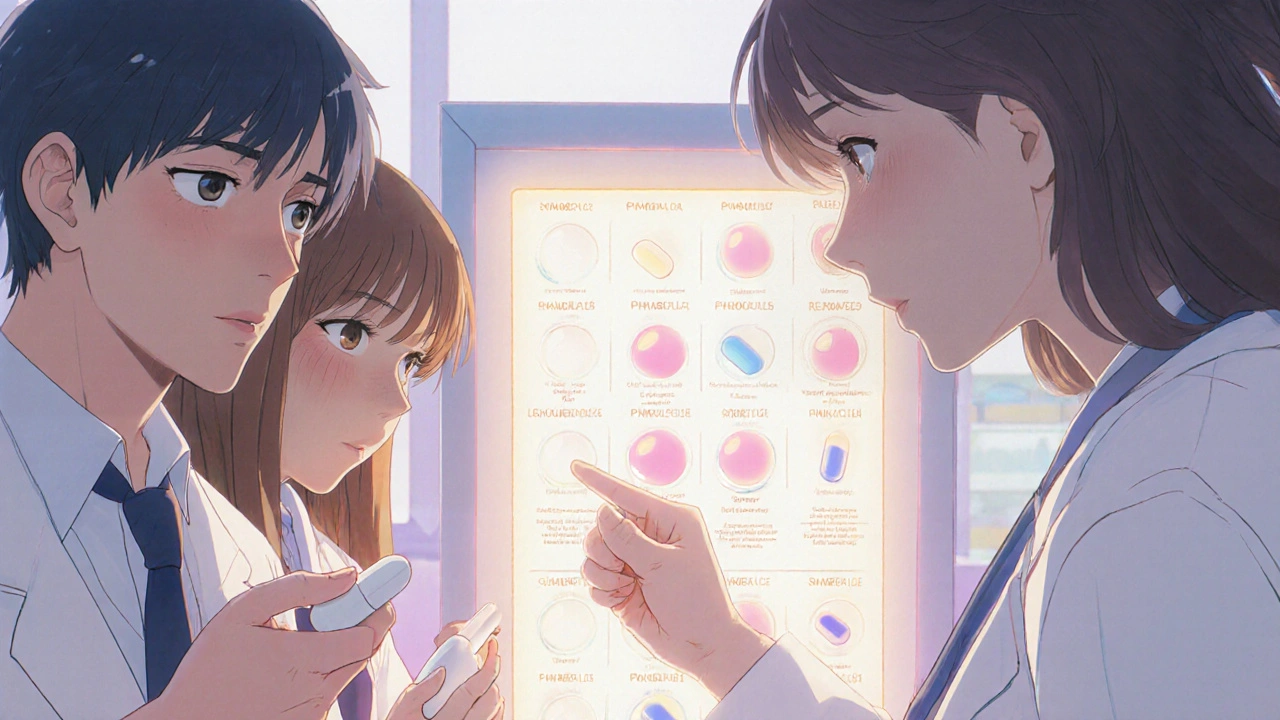
Many patients don't realize generic medications work the same as brand-name drugs-just look different. This confusion leads to missed doses, errors, and hospital visits. Learn how to make generic medication info clear and safe for everyone.
Read MorePatient Education: What You Need to Know to Take Control of Your Health
When you’re dealing with a chronic condition, taking multiple pills, or just trying to avoid side effects, patient education, the process of giving people clear, practical information about their health and treatments. Also known as health literacy, it’s not just about reading brochures—it’s about understanding how your body responds to meds, why some drugs interact dangerously, and when to push back on your doctor or pharmacist. Too many people swallow pills without knowing why, and end up in the ER because they mixed grapefruit with their blood pressure drug or stored insulin in the bathroom. drug interactions, when two or more medications affect each other’s strength or safety are a leading cause of avoidable hospital visits. One study found that over 40% of older adults take at least one combo that their pharmacist should’ve flagged. And it’s not just about pills—medication safety, the practices that prevent harm from drugs, including proper storage, timing, and avoiding alcohol or supplements matters just as much as getting the right prescription.
Good patient education turns you from a passive recipient into an active partner in your care. It’s why knowing how to read spirometry results helps you track COPD, why understanding why your insurance blocks generics lets you fight back, and why storing your pills in the bathroom instead of a cool drawer can make them useless before the date on the bottle. If you’re on diabetes meds, patient education tells you how losing just 5% of your weight can reverse the disease. If you’re on antidepressants like paroxetine, it warns you that weight gain isn’t just "a side effect"—it’s a metabolic shift you can manage. If you’re using something like milk thistle or green coffee extract as a supplement, it shows you how those "natural" products can mess with liver enzymes and turn safe drugs into risky ones.
You don’t need a medical degree to protect yourself. You just need clear, no-fluff facts. The posts below cover exactly that: how to interpret test results, how to handle insurance hurdles, what to ask your doctor about irbesartan or cyclosporine, and which supplements are worth your money—or your health. Whether you’re managing glaucoma, kidney disease, back pain, or just trying not to overdose on Adderall with your morning coffee, these guides give you the tools to make smarter, safer decisions. No jargon. No hype. Just what you need to know to stay in control.