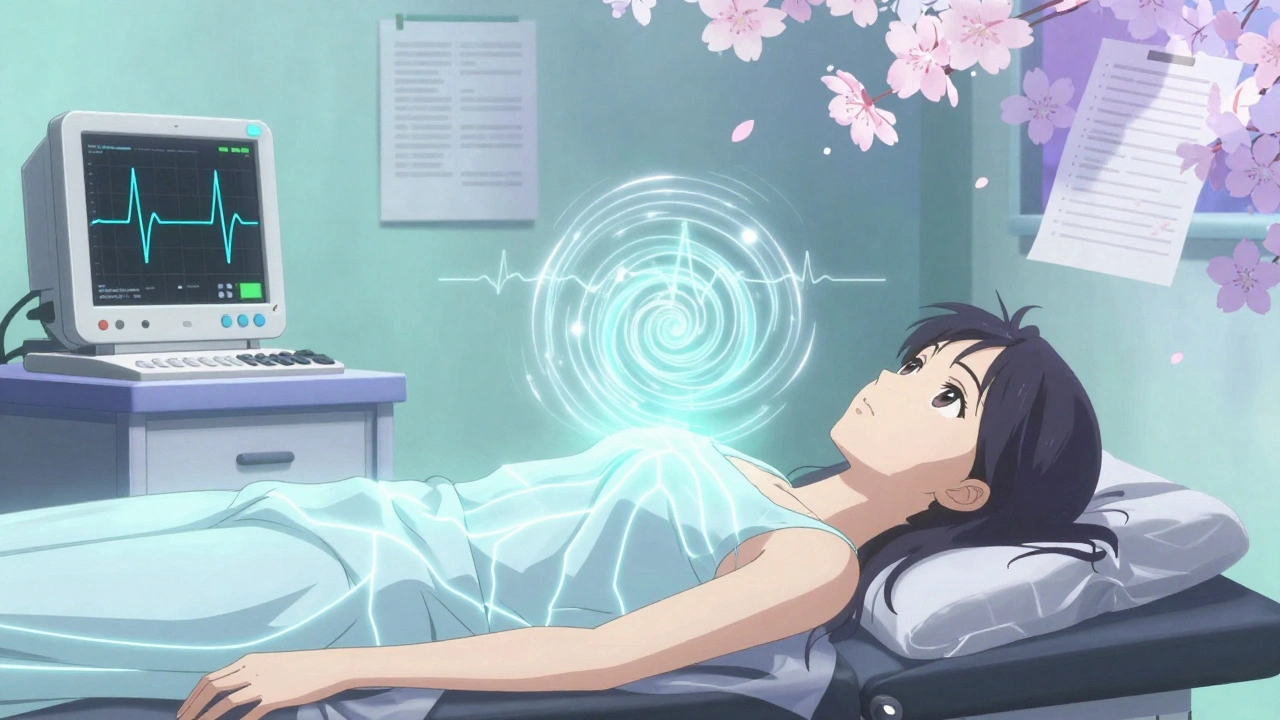
QT prolongation from medications can cause sudden cardiac death. Learn which drugs carry the highest risk, who’s most vulnerable, and how to prevent deadly arrhythmias with simple checks and monitoring.
Read MoreQTc Interval: What It Means for Your Heart and Medication Safety
When your heart beats, it goes through a cycle of electrical signals that make it contract and relax. The QTc interval, a corrected measurement of the time between the start of the Q wave and the end of the T wave on an ECG, reflecting how long the heart’s ventricles take to recharge. Also known as corrected QT interval, it’s a key indicator of whether your heart’s rhythm is at risk for dangerous spikes. A normal QTc is under 450 milliseconds for men and under 460 for women. Go beyond that, and you enter a zone where your heart can suddenly flip into a life-threatening rhythm called torsades de pointes.
This isn’t just about genetics. Many common medications can stretch the QTc interval — from antibiotics like azithromycin, to antidepressants like citalopram, to anti-nausea drugs like ondansetron. Even some heart medicines, antifungals, and antipsychotics can do it. The risk goes up if you’re older, have kidney problems, take more than one of these drugs, or already have low potassium or magnesium. It’s not rare. Studies show over 100 drugs carry this warning, and many people don’t know they’re taking one.
Doctors don’t check QTc for everyone. But if you’re starting a new medication, especially one linked to heart rhythm issues, or if you’ve had unexplained fainting, dizziness, or a family history of sudden cardiac death, ask for an ECG. It’s quick, painless, and can catch a problem before it turns deadly. The same goes if you’re on multiple drugs — interactions matter. For example, taking a QT-prolonging antibiotic with a diuretic that lowers potassium? That combo is a red flag. Your pharmacist can spot these risks before you even fill the prescription.
Some people think only big hospitals monitor this. But it’s happening in clinics, urgent cares, and even pharmacies. If you’re on long-term meds like methadone or certain antipsychotics, your provider should track your QTc over time. It’s not about fear — it’s about awareness. Small changes in dosage, diet, or other drugs can shift your QTc. And when you know what to watch for, you can speak up before something goes wrong.
Below, you’ll find real-world guides on how medications affect your heart rhythm, what to ask your doctor, and which drugs to watch out for — from antibiotics to antidepressants to over-the-counter supplements that might be hiding in your cabinet. This isn’t theory. These are the exact risks people face every day, and how to avoid them.