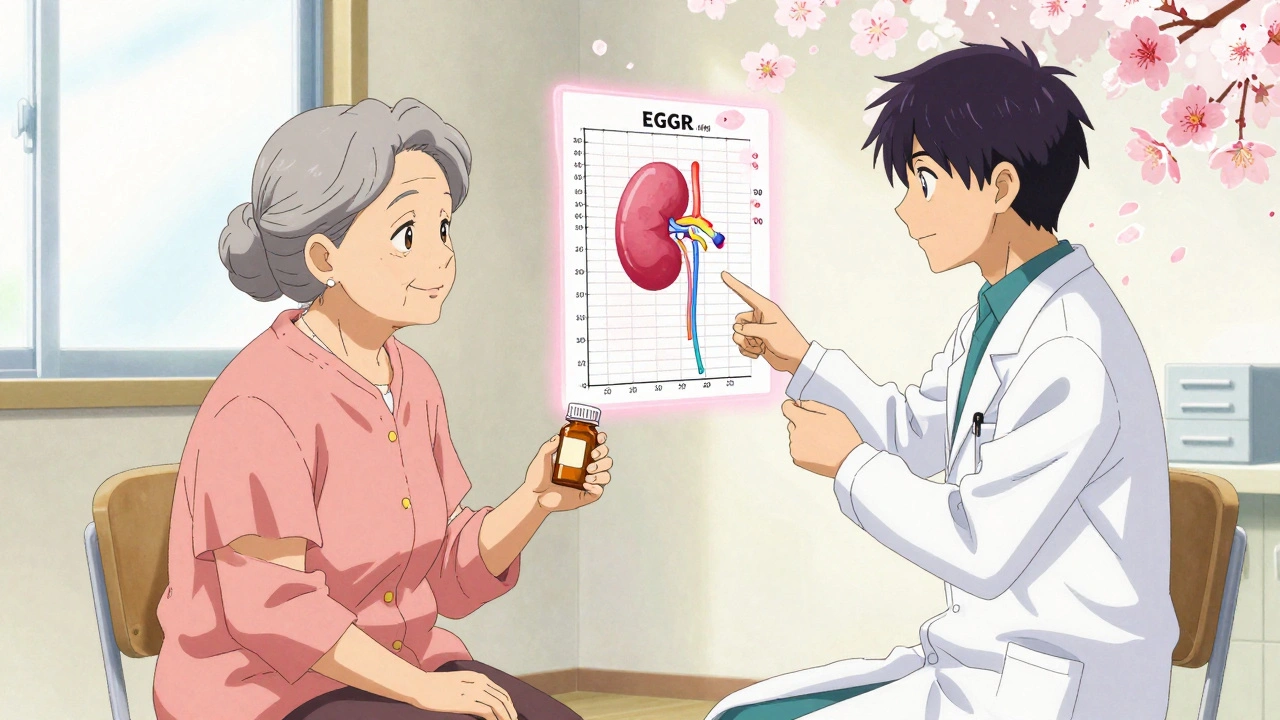
Medication dosing isn't one-size-fits-all. Age, weight, and kidney function all change how your body handles drugs. Learn why adjusting doses matters-and how to make sure you're getting the right amount.
Read MoreRenal Dosing Adjustments: How Kidney Function Changes Your Medication Needs
When your kidneys aren't filtering blood like they should, the way your body handles renal dosing adjustments, changes to medication amounts based on how well kidneys remove drugs from the body. Also known as kidney-based dosing, it's not optional—it's critical for safety. Many common drugs, from antibiotics to blood pressure pills, leave the body through the kidneys. If those filters are slow or damaged, the drugs build up. Too much can mean toxicity. Too little and the drug won't work. It’s not about being careful—it’s about avoiding hospital visits or worse.
That’s why creatinine clearance, a measure of how fast kidneys clear creatinine, used to estimate kidney function. Also known as eGFR, it helps doctors decide if your dose needs lowering matters. A person with stage 3 kidney disease might need half the normal dose of a painkiller like tramadol. Someone on dialysis might need a full dose after each session. drug clearance, how quickly the body removes a medication, often dependent on kidney function isn’t the same for everyone. The same pill can be safe for one person and deadly for another, depending on kidney health. And it’s not just older adults—people with diabetes, high blood pressure, or even long-term NSAID use can have hidden kidney damage that changes how their meds behave.
Some drugs are more dangerous than others when kidney function drops. Antibiotics like vancomycin, pain meds like morphine, and diabetes drugs like metformin all need careful tweaking. Even over-the-counter stuff like ibuprofen can pile up and cause more harm than good. That’s why kidney function, the ability of the kidneys to filter waste, regulate fluids, and maintain electrolyte balance isn’t just a lab number—it’s a live variable in your treatment plan. If you’re on multiple meds, especially for chronic conditions, your pharmacist or doctor should check your kidney numbers before prescribing anything new. Skipping this step is like driving with a blindfold—you might get lucky, but the risk isn’t worth it.
The posts below show real cases where kidney function changed everything: how a common painkiller caused kidney inflammation, why some antidepressants need lower doses in people with kidney disease, and how antibiotics can backfire if dosed wrong. You’ll find clear examples of which drugs require changes, how to spot warning signs, and what to ask your doctor to stay safe. No fluff. Just what you need to know to make sure your meds work without hurting you.