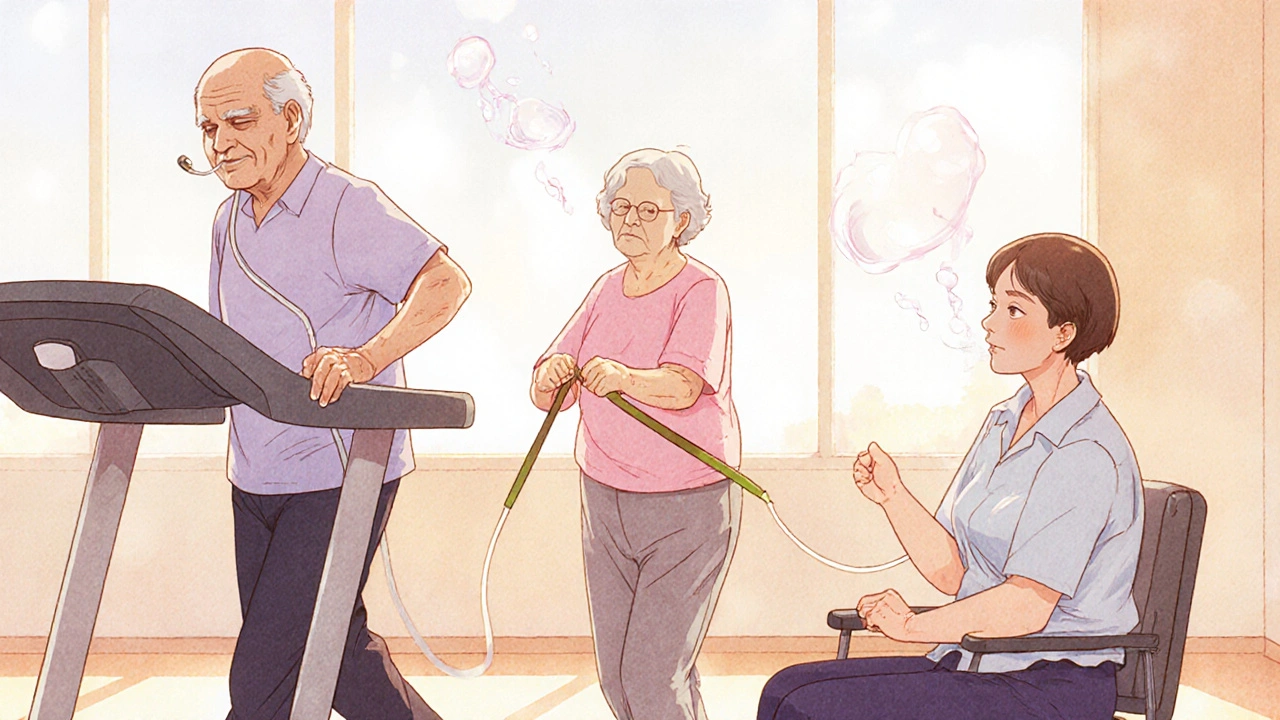
Pulmonary rehabilitation improves breathing, movement, and quality of life for people with chronic lung diseases like COPD and pulmonary fibrosis. It combines exercise, education, and support-backed by strong clinical evidence.
Read MoreMedication Safety and Lung Health in 2025: Key Insights and Practical Guides
When it comes to medication safety, the practice of using drugs correctly to avoid harm while maximizing benefit. Also known as drug safety, it's not just about avoiding side effects—it's about making sure the right drug reaches the right person at the right time, without interference from other meds, storage mistakes, or insurance hurdles. In November 2025, we saw a sharp rise in questions about why cheap generics get blocked by insurance, how green coffee extract messes with ADHD meds, and why storing pills in the bathroom turns them into useless paperweights. These aren’t edge cases—they’re everyday problems that cost people their health, their money, and sometimes their lives.
pulmonary rehabilitation, a structured program combining exercise, education, and support for people with chronic lung diseases. Also known as COPD rehab, it’s one of the most underused tools in respiratory care. People with COPD or pulmonary fibrosis aren’t just told to breathe better—they’re taught how to move better, eat better, and live better. And it works. Studies show patients who stick with it breathe easier, walk farther, and spend less time in the hospital. But you won’t find it covered by most ads or quick-fix websites. That’s why we broke down exactly what it includes, who qualifies, and how to get it covered—even if your doctor doesn’t bring it up first.
Then there’s generic medications, pharmaceuticals that are chemically identical to brand-name drugs but often cost a fraction as much. Also known as brand generics, they’re the backbone of affordable healthcare. Yet so many patients think they’re weaker, less effective, or even fake because they look different. This confusion leads to missed doses, panic when switched, and unnecessary ER visits. We dug into why insurance companies now require prior authorization for generics—even though they’re cheaper—and how to legally fight back when your pharmacy swaps your med without warning. We also looked at how health literacy gaps make this worse, especially for older adults and non-native speakers.
And you can’t talk about meds without talking about drug interactions, when two or more medications affect each other in harmful or unexpected ways. Also known as medication conflicts, they’re the silent killers in medicine. Milk thistle and statins. Green coffee and Adderall. Sildenafil and blood pressure pills. These aren’t rare. Pharmacists miss them all the time because they’re overwhelmed, understaffed, or just assume patients aren’t taking supplements. We listed the top 5 dangerous combos you should never mix—and what to say to your pharmacist if you’re unsure.
Behind all this is the quiet, constant battle for lung function. Whether you’re managing asthma with Ventolin alternatives, interpreting spirometry results after a diagnosis, or preparing for glaucoma surgery that affects eye pressure and overall health, your respiratory and cardiovascular systems are deeply linked. Diabetes doubles your stroke risk—not because of sugar alone, but because it damages blood vessels everywhere, including your lungs and brain. Weight loss isn’t just about looks; losing 5-7% of your body weight can reverse type 2 diabetes and lower your need for meds. And if you’re over 60 taking sildenafil, your age, liver health, and other drugs matter more than the pill itself.
This collection isn’t about theory. It’s about what you can do tomorrow. How to store your meds so they last. How to spot back pain red flags before it’s too late. How to compare Ayurslim with real alternatives that actually work. How manufacturing changes in drug production can silently affect your prescription without you knowing. Every article here comes from real patient concerns, real data, and real mistakes we’ve seen too many times. You won’t find fluff. You won’t find ads. Just clear, no-nonsense advice that helps you take control—before your next doctor’s visit, before your next refill, before your next emergency.

27
Nov
Modified-Release Formulations: What You Need to Know About Bioequivalence Standards
Modified-release formulations require special bioequivalence testing beyond standard drug comparisons. Learn how regulators assess release patterns, why alcohol interactions matter, and why these generics cost more to develop.
Read More
26
Nov
Health Literacy and Generics: How to Make Medication Information Clear for Everyone
Many patients don't realize generic medications work the same as brand-name drugs-just look different. This confusion leads to missed doses, errors, and hospital visits. Learn how to make generic medication info clear and safe for everyone.
Read More
25
Nov
Diabetes and Weight Loss: Proven Strategies to Manage Blood Sugar and Lose Weight Safely
Losing 5-7% of your body weight can significantly improve blood sugar control and even reverse type 2 diabetes. Learn the science-backed strategies for safe, sustainable weight loss that work with diabetes.
Read More
23
Nov
Pulmonary Function Tests: How to Interpret Spirometry and DLCO Results
Learn how to interpret spirometry and DLCO results to understand lung health. Discover what low or high values mean for conditions like COPD, fibrosis, and pulmonary hypertension.
Read More
22
Nov
Manufacturing Changes: Notification and Approval Requirements in Pharmaceutical Production
Understand the FDA and global requirements for notifying and approving manufacturing changes in pharmaceutical production. Learn how to classify changes, avoid violations, and ensure product quality.
Read More
21
Nov
Glaucoma Surgery: Trabeculectomy, MIGS, and What to Expect
Trabeculectomy and MIGS are the two main glaucoma surgeries today. Trabeculectomy lowers pressure more but carries higher risks. MIGS is safer and faster, ideal for early to moderate cases. Learn what each procedure does, how they compare, and who benefits most.
Read More
20
Nov
Prior Authorization for Generics: Why Your Insurance Might Block Common Medications
Despite being cheaper and widely used, many generic medications now require insurance approval before being covered. Learn why this is happening, which drugs are affected, and how to fight back.
Read More
19
Nov
How to Store Medications to Prevent Early Expiration
Learn how to store medications properly to prevent early expiration. Avoid common mistakes like keeping pills in the bathroom, and discover where to store them for maximum potency and safety.
Read More
18
Nov
Green Coffee Extract and Stimulant Medications: What You Need to Know About Blood Pressure Risks
Green coffee extract may lower blood pressure, but when taken with stimulant medications like Adderall or Vyvanse, it can cause dangerous fluctuations. Learn why experts warn against combining them and what to do instead.
Read More
18
Nov
How Type 2 Diabetes Increases Stroke Risk - And How to Lower It
Type 2 diabetes doubles your stroke risk - but you can lower it. Learn how blood sugar, blood pressure, and lifestyle choices connect to stroke, and what actually works to protect your brain.
Read More
17
Nov
Back Pain Red Flags: When Imaging and Referral Are Needed
Learn the critical back pain red flags that signal serious conditions like infection, cancer, or nerve damage. Know when to skip imaging and when to seek emergency care to prevent permanent harm.
Read More