
Patients often doubt generic drug safety despite FDA approval. This article explores why people fear generics, who's most affected, and how doctors and pharmacists can build trust to improve adherence and reduce healthcare costs.
Read MoreBrand vs Generic Medications: What You Really Need to Know
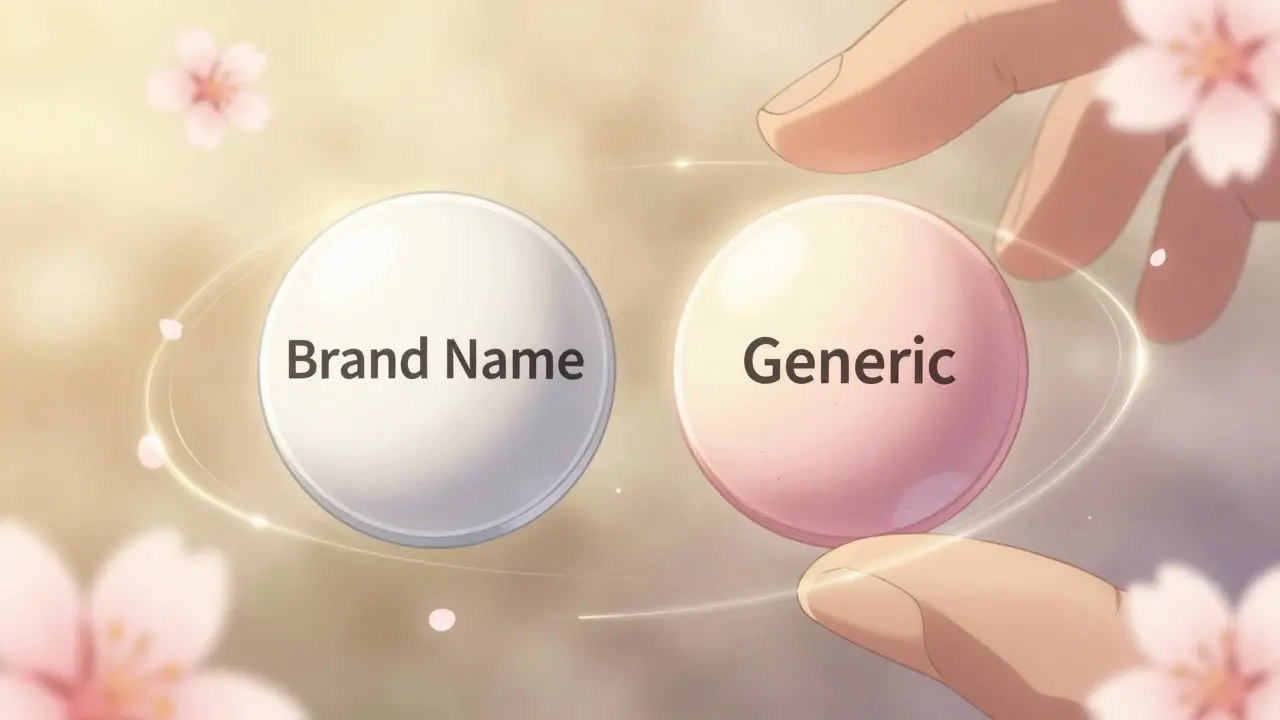
When you pick up a prescription, you might see two options: the familiar brand name or a cheaper generic version. Brand vs generic, the choice between name-brand drugs and their chemically identical lower-cost copies. Also known as originator vs generic drugs, it’s one of the most common decisions you’ll make at the pharmacy—and it’s not about quality, it’s about cost and perception. The FDA requires generics to have the same active ingredient, strength, dosage form, and route of administration as the brand name. That means if your doctor prescribes Lipitor, the generic atorvastatin works the same way in your body. No magic ingredients. No hidden differences. Just a fraction of the price.
So why do some people still stick with brand names? Often, it’s because they remember the original drug working well—or they’ve been told generics are "inferior." But here’s the truth: Generic medications, FDA-approved copies of brand-name drugs that become available after patents expire go through the same strict testing. They’re not "second-rate." In fact, many hospitals and insurance plans use generics almost exclusively because they’re proven safe and effective. Take albuterol, a bronchodilator used for asthma and COPD. Ventolin is the brand; albuterol is the generic. Both open airways the same way. The only real difference? Ventolin might cost $60. Albuterol? $10. Same inhaler, same relief, same side effects. The same applies to sildenafil citrate, the active ingredient in Viagra for erectile dysfunction. Whether you buy Viagra or generic sildenafil, your body doesn’t know the difference.
What about those times when a generic seems to work differently? Sometimes, it’s not the drug—it’s the filler. Generics can use different inactive ingredients like dyes or binders. For most people, that’s harmless. But if you’re allergic to a specific dye or have a rare sensitivity, you might notice a change. That’s why your pharmacist asks if you’ve switched brands. It’s not because the active drug changed—it’s because the packaging did. And if you’re on a tight budget, switching to generic can save hundreds a year. Look at Tadalafil, the long-acting ED medication sold as Cialis and Forzest. The brand costs $50 a pill. The generic? $3. Same effect. Same duration. Same risks.
You don’t need to be a doctor to make this call. Ask your pharmacist: "Is there a generic for this?" Check your insurance formulary. Compare prices at different pharmacies. And if you’ve been paying full price for years, you might be surprised how much you’ve been overpaying. The bottom line? Brand vs generic isn’t about which is better—it’s about which is right for your wallet and your health. The science says generics work. The data says they save money. And the people who’ve switched? They rarely go back.
26
Jan
Inactive Ingredient Differences: Why Your Generic Medication May Feel Different
Generic medications contain the same active ingredients as brand-name drugs but may differ in inactive components like fillers and dyes. These differences can cause side effects in sensitive individuals - here's what to look for and what to do.
Read More
17
Nov
How to Handle Insurance Requirements for Generic Substitution
Learn how insurance companies enforce generic drug substitution, when you can keep your brand-name medication, and how to handle unexpected switches safely and legally.
Read More