
Patients often doubt generic drug safety despite FDA approval. This article explores why people fear generics, who's most affected, and how doctors and pharmacists can build trust to improve adherence and reduce healthcare costs.
Read MoreCategory: Medicines - Page 2

21
Feb
Steroid Tapering: How to Avoid Withdrawal and Disease Rebound
Steroid tapering is essential to avoid adrenal crisis and disease flare-ups. Learn how to safely reduce prednisone doses, recognize withdrawal symptoms, and prevent rebound flares with evidence-based steps and patient-tested strategies.
Read More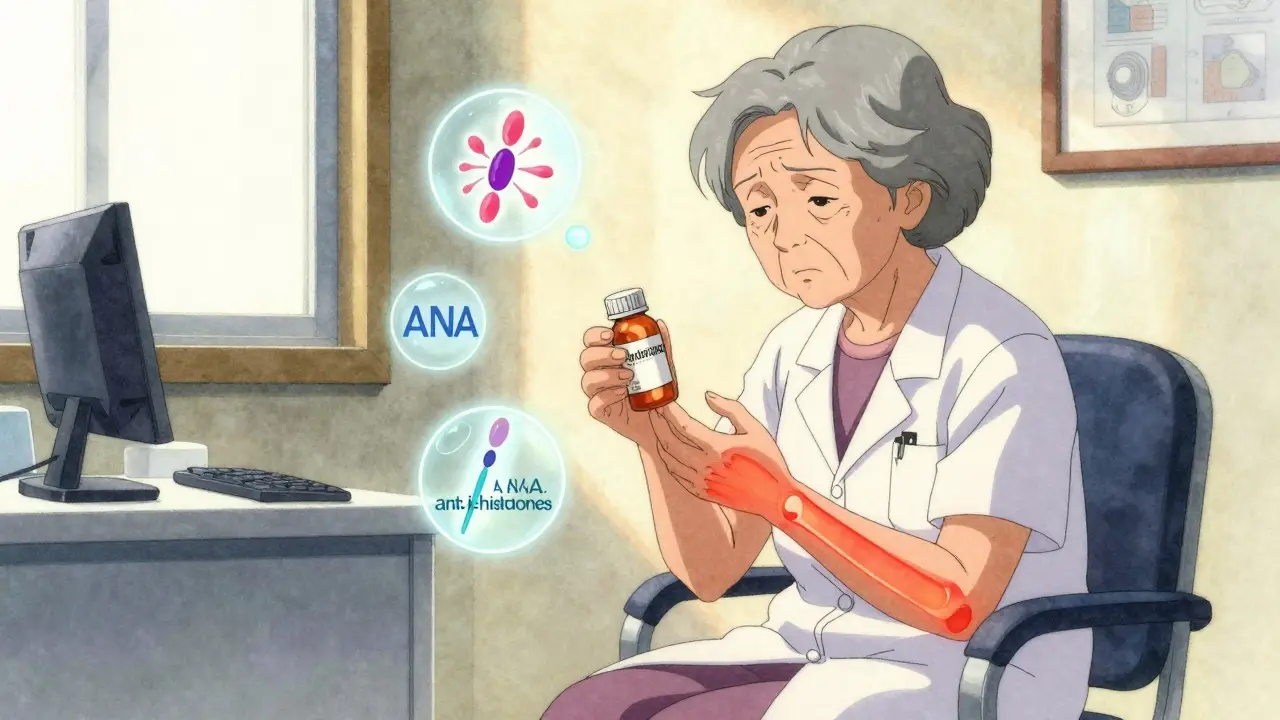
15
Feb
Drug-Induced Lupus: Symptoms, Testing, and Recovery
Drug-induced lupus is a reversible autoimmune reaction caused by certain medications. Symptoms mimic lupus but rarely affect major organs. Stopping the drug usually leads to full recovery within weeks.
Read More
14
Feb
Alpha-1 Antitrypsin Deficiency: Genetic COPD and Treatment
Alpha-1 Antitrypsin Deficiency is a genetic cause of early-onset COPD and liver disease. It's underdiagnosed, but testing and augmentation therapy can slow progression. Smoking accelerates damage - quitting is critical.
Read More
9
Feb
Coping Strategies for Long-Term Chronic Medication Use: What Actually Works
Learn proven coping strategies to stick with long-term chronic medication. From problem-solving to team-based care, discover what actually improves adherence and how to apply it in daily life.
Read More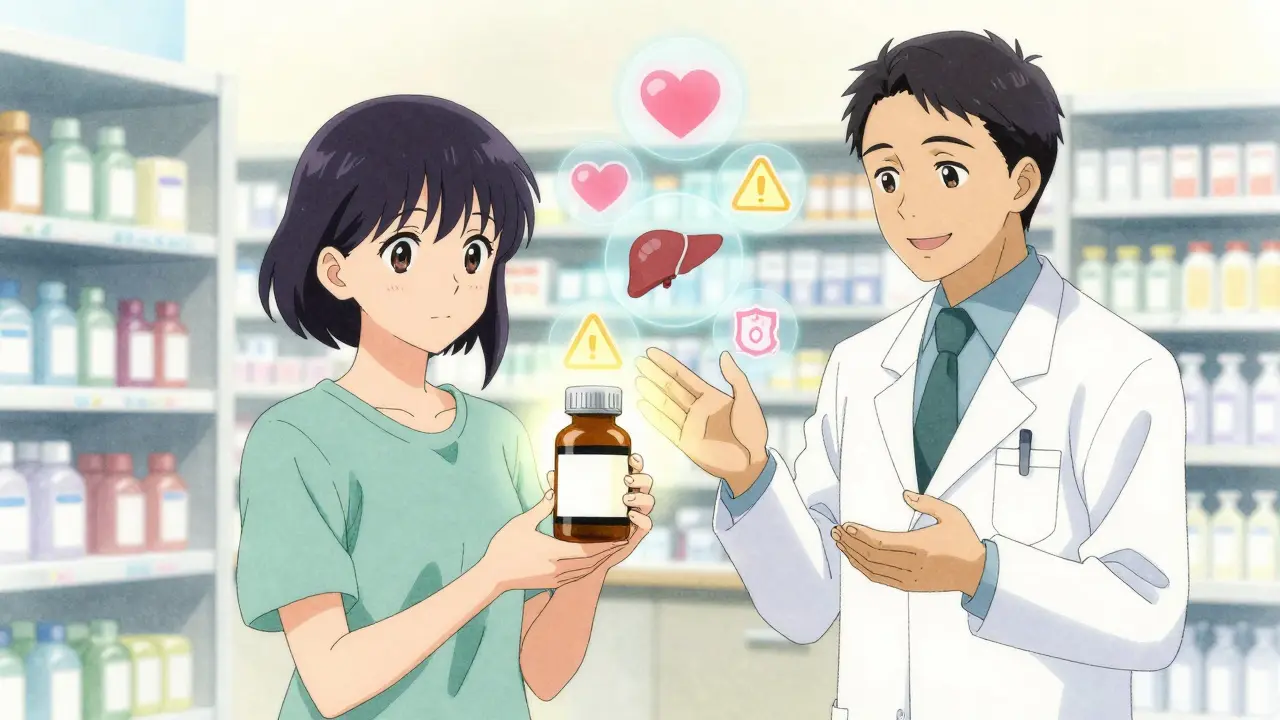
7
Feb
Understanding Black Box Warnings on Prescription Medications
Black box warnings are the FDA's strongest safety alert for prescription drugs. They don't mean stop taking your medicine-they mean understand the risks. Learn what they are, why they exist, and what to do if your drug has one.
Read More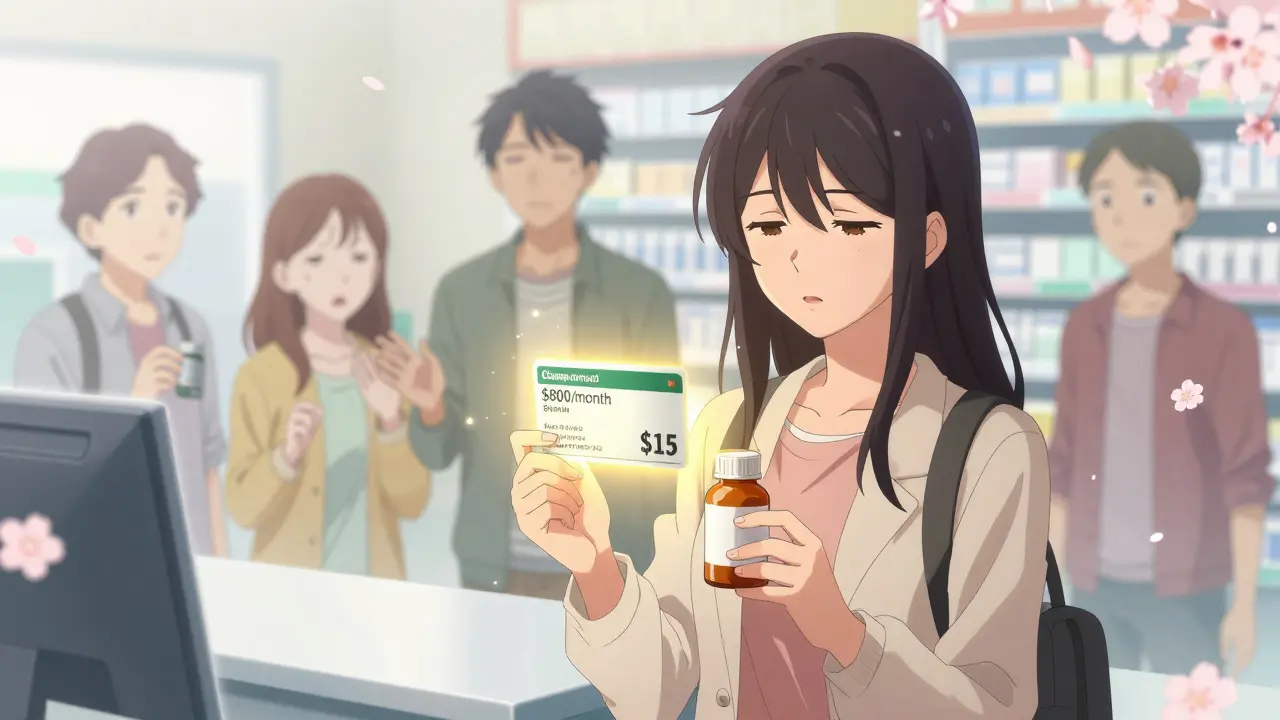
7
Feb
Prescription Assistance Programs: Direct Help from Manufacturers
Prescription assistance programs from drug manufacturers help millions afford high-cost medications. Learn how copay cards and PAPs work, who qualifies, and the hidden rules insurers don’t tell you.
Read More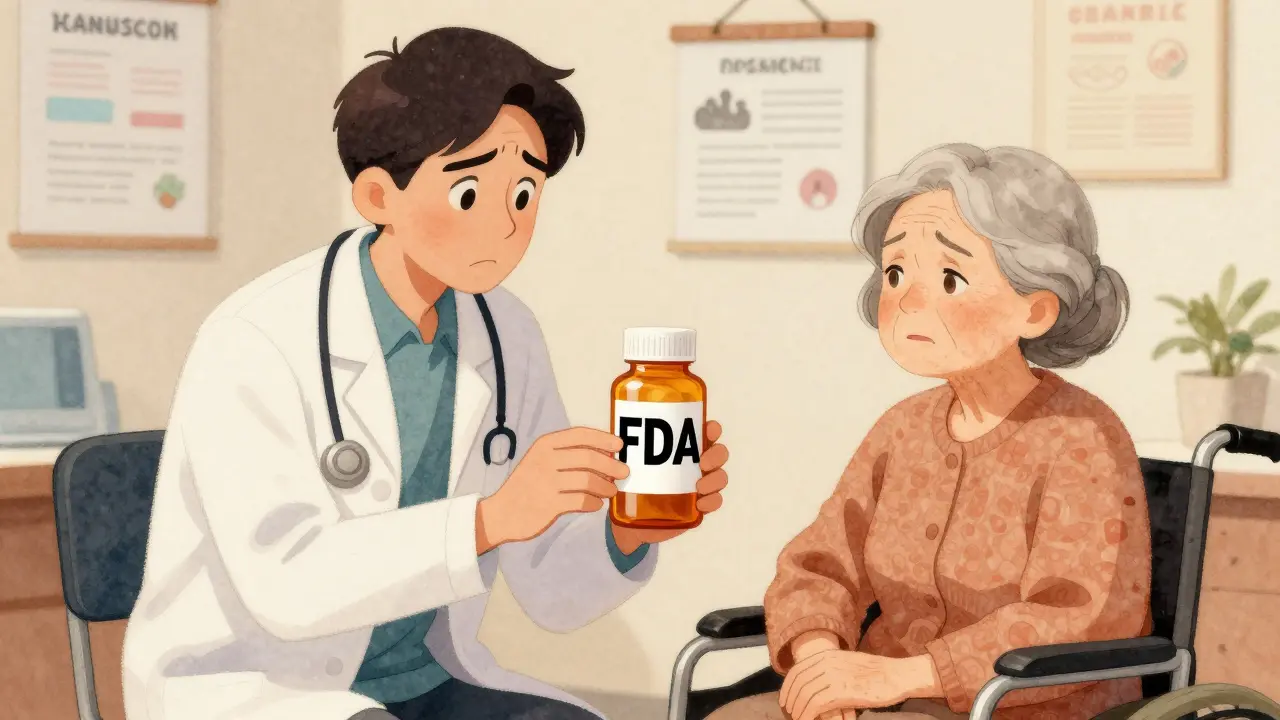
5
Feb
Antipsychotics and Stroke Risk in Seniors with Dementia: Risks and Alternatives
Antipsychotics for dementia patients carry serious stroke risks, even with short-term use. Learn why experts recommend avoiding these medications and safer alternatives for managing behavioral symptoms.
Read More
4
Feb
Geriatric Medication Safety: Reducing Elderly Drug Risks with Evidence-Based Guidelines
Geriatric medication safety ensures seniors get the right drugs without dangerous side effects. With 1 in 3 hospital admissions linked to medication issues, tools like the Beers Criteria and AGS Alternatives List are vital. Learn how healthcare teams reduce risks, handle polypharmacy, and implement real-world solutions.
Read More
3
Feb
How to Safely Dispose of Expired Pediatric Medications
Expired pediatric medications can be dangerous or even deadly for children. Learn why they shouldn't be used, how to store them safely, and the correct way to dispose of them to protect your child's health.
Read More
1
Feb
Acetaminophen and NSAIDs in Pregnancy: What You Need to Know by Trimester
Learn the safest pain relief options during pregnancy. Acetaminophen is safe in all trimesters; NSAIDs like ibuprofen carry serious risks after 20 weeks. Get clear, science-backed guidance on what to take-and what to avoid.
Read More
31
Jan
Nighttime Sleep Aids with Diphenhydramine: Risks and Safer Alternatives
Diphenhydramine sleep aids like Benadryl and Unisom may help you fall asleep fast, but they come with serious risks-especially for seniors. Learn why experts say avoid it and what safer, science-backed alternatives actually work.
Read More